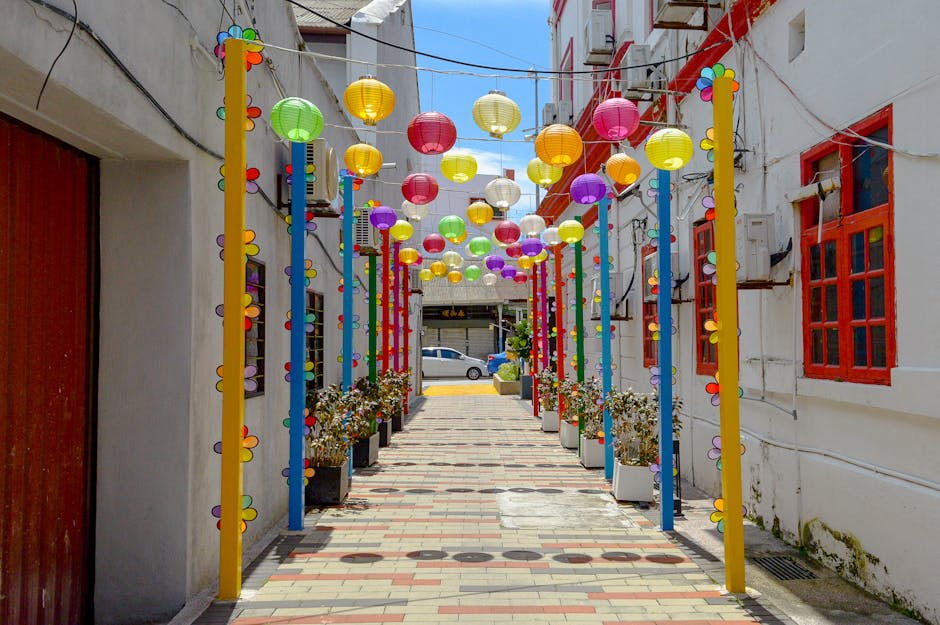
George Town is the kind of place that makes you reconsider your entire itinerary. We had planned two nights and stayed five. The UNESCO-listed old town is a living museum — clan jetties built on stilts over the water, Chinese shophouses with faded shutters, and around every corner, street art that turns crumbling walls into gallery pieces. Ernest Zacharevic’s murals are the famous ones, but the smaller, stranger works tucked into alleyways are the ones that stopped us. A wire sculpture of a trishaw driver. A painting of two children on a bicycle that every tourist photographs but that somehow retains its charm. The old town rewards aimlessness — put the phone away and walk until you are lost, because lost in George Town means you are exactly where you should be.
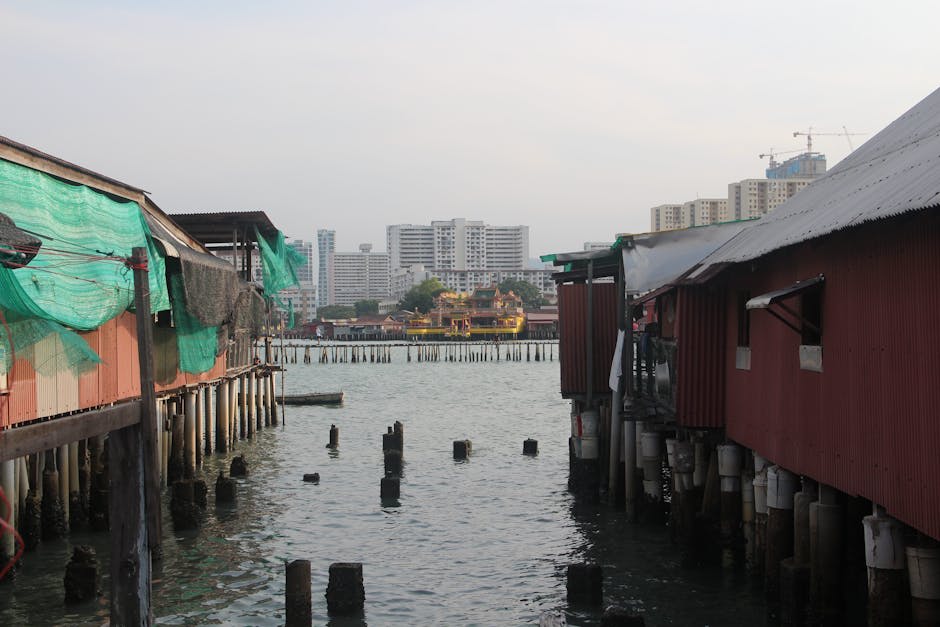
The clan jetties of Weld Quay are the last surviving stilt villages in the city, built by Chinese immigrants who arrived in the nineteenth century and organized themselves by surname. The Chew Jetty is the most visited, a narrow boardwalk extending over the water, lined with homes and small shrines and the smell of incense mixing with sea air. We walked it at dusk, when the light turned the Strait of Malacca into hammered bronze and the residents were cooking dinner in kitchens that have not moved in a hundred years.
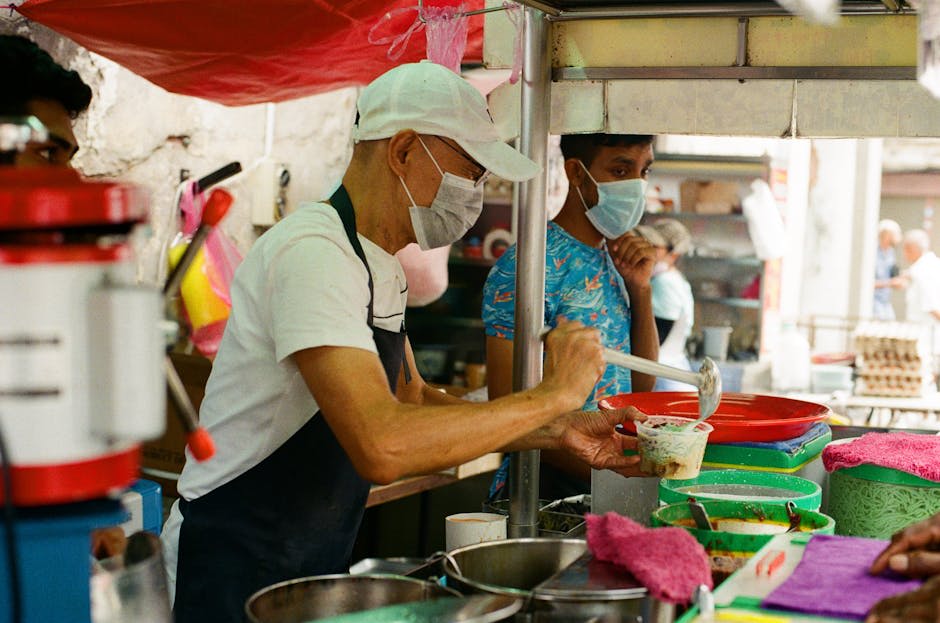
And then there is the food. Penang’s hawker culture is arguably the finest in Southeast Asia, and I do not make that claim lightly — I have eaten my way through Bangkok, Hanoi, and every night market in Taipei. But Penang operates on a different level. Char kway teow fried over charcoal by a woman who has been making the same dish for forty years, the wok so seasoned it imparts a smokiness that no amount of technique can replicate. Asam laksa — a tamarind-sour fish broth with thick rice noodles that made me rethink what soup could be. Hokkien mee with its prawn broth so rich it feels like the sea distilled into a bowl. We ate cendol from a cart on Penang Road that has been operating on the same corner for decades, shaved ice and palm sugar and coconut milk and the kind of simplicity that only emerges from repetition measured in generations.
Beyond the food and the art, the island has layers most visitors never reach. Penang Hill, accessible by funicular or a sweaty two-hour hike through the jungle, offers views across the strait to the mainland and a temperature drop that feels like a gift after the heat of George Town below. The Kek Lok Si Temple in Air Itam is one of the largest Buddhist temples in Southeast Asia — a riot of colour and devotion climbing the hillside in tiers of pagodas, prayer halls, and a towering bronze statue of Guanyin. We took the inclined lift to the top and looked out over the whole island, the heat haze blurring the edges of everything into a watercolour.
The night markets are worth their own evening — the one at Gurney Drive has been running for decades, though locals will tell you the food has become more tourist-oriented. Head instead to the hawker centres in the residential neighborhoods — New Lane, Cecil Street, Pulau Tikus — where the stalls are family-run and the prices reflect a relationship with the community rather than the guidebook.
When to go: December to March is driest. The George Town Festival in July brings art and performance to the streets. Penang rewards slow travellers year-round — give it at least four nights or you will leave with the nagging feeling you missed something essential.