
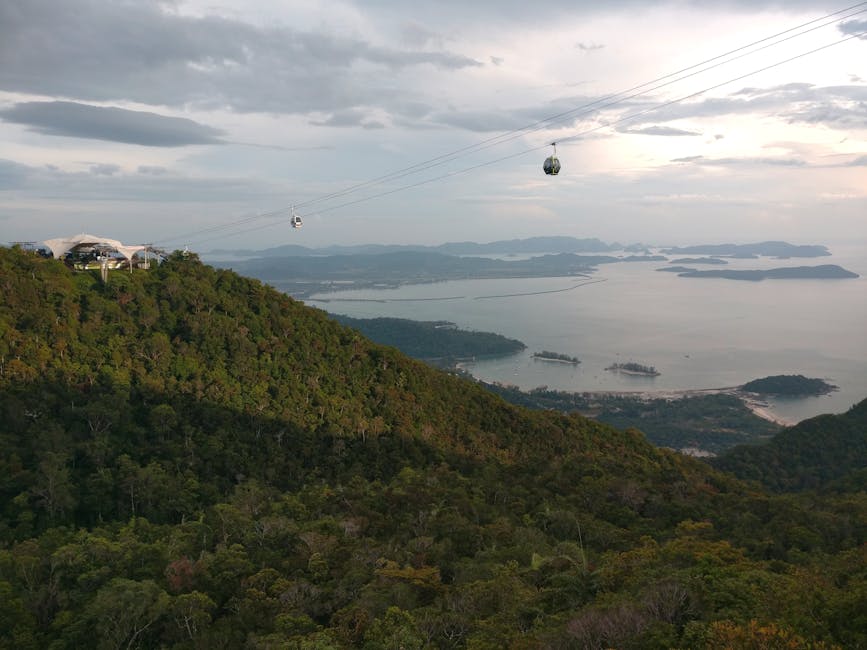
Langkawi is ninety-nine islands scattered across the Andaman Sea like green jewels dropped carelessly from a height. We took the cable car up Gunung Mat Chinchang and walked the Sky Bridge — a curved pedestrian bridge suspended 660 metres above the rainforest canopy — and the view was the kind that recalibrates your sense of scale. Below, the islands fanned out in every shade of green and blue, the sea between them so clear you could trace the shadow of clouds moving across the sandy bottom. I have stood on viewing platforms in Switzerland and Norway and Patagonia. This one belongs in that conversation.
The cable car ride itself is part of the experience — steep enough to make your stomach drop, long enough to watch the forest canopy transition from lowland dipterocarp to montane scrub as you climb. At the top station, the air is noticeably cooler, and the sound of the jungle rises from below in a continuous hum of insects and birds and things you cannot identify but somehow trust.
Back at sea level, the rhythm slowed. We island-hopped by boat to Pulau Dayang Bunting — Pregnant Maiden Island, named for the shape of the hillside — and swam in a freshwater lake ringed by limestone cliffs, the water dark and cool and surrounded by forest so dense the air tasted green. The boatman pointed out eagle-feeding spots where white-bellied sea eagles circled and dove for fish scraps, their wingspan so wide they seemed to hang in the air by will alone.
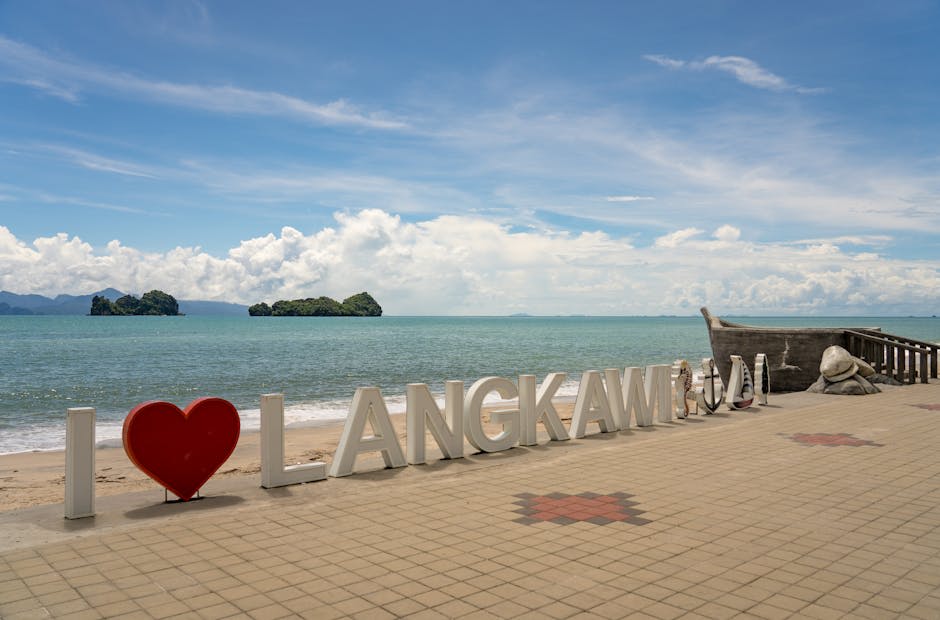
Pantai Cenang is the main beach strip — duty-free shops, seafood restaurants, and the kind of relaxed beach-bar energy that draws both backpackers and families. We preferred Pantai Tanjung Rhu on the northeast coast, where the sand is finer, the crowds thinner, and the limestone karsts rise from the shallows like the ruins of a flooded cathedral. At low tide you can walk across a sandbar to a small island and feel, briefly, like you have discovered something the world forgot.
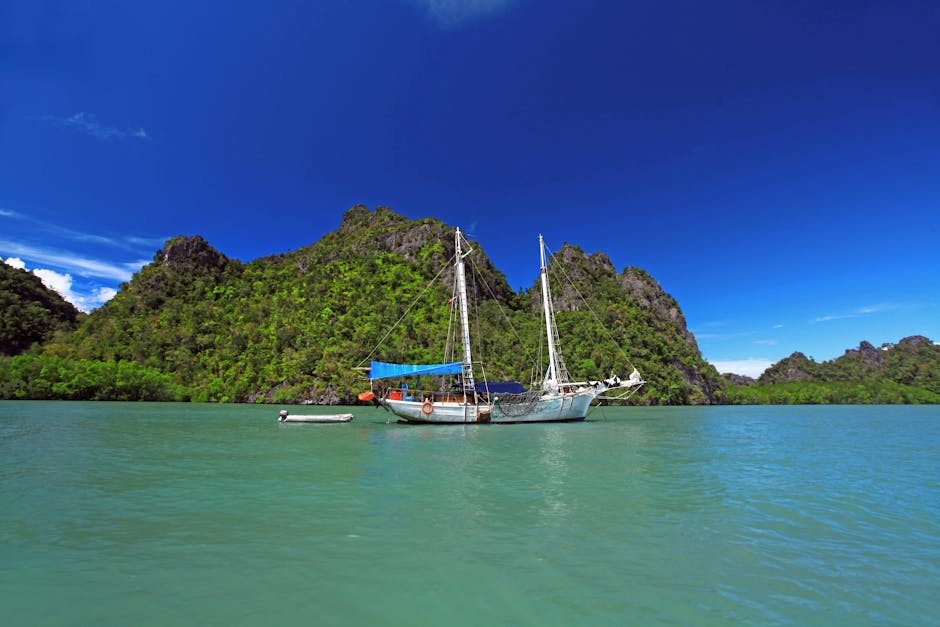
The mangrove boat tours through the Kilim Karst Geopark revealed a different Langkawi — quieter, wilder, and older. We drifted through narrow channels between limestone walls draped in vegetation, past cave systems where bats rustled in the dark, and into open lagoons where monitor lizards sunned themselves on rocks and the only sound was the engine cutting out and the forest taking over. The guide pointed out fossils in the limestone — this geopark is one of the oldest geological formations in Southeast Asia, and the rock itself tells a story measured in hundreds of millions of years.
The duty-free status means cheap chocolate and beer, which pairs well with beachside idleness. But Langkawi is more than a beach holiday. The underwater world around Pulau Payar Marine Park is excellent for snorkelling, and the night sky from the quieter beaches — away from Cenang’s lights — is dense with stars in a way that equatorial skies rarely are.
When to go: November to March is peak season with calm seas and blue skies. The shoulder months of April and October offer good weather and fewer crowds. Monsoon runs June to September — the island stays open but the rain is heavy and the sea rough.