
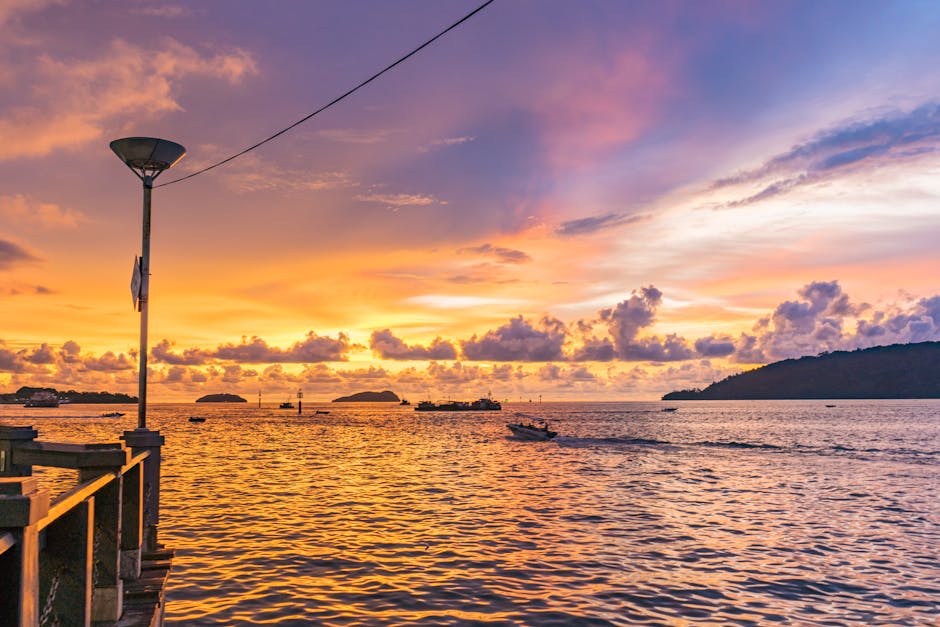
Kota Kinabalu — KK to everyone who has been — sits on Borneo’s northwest coast with Mount Kinabalu rising 4,095 metres behind it and the South China Sea shimmering in front. The sunsets from the waterfront are legendary, painting the sky in colours that would look exaggerated in a photograph. We watched them every evening from the Filipino Night Market, seafood platter in hand, as the sky performed its nightly show of tangerine, violet, and that deep coral-pink that lasts for exactly three minutes before the darkness takes everything.
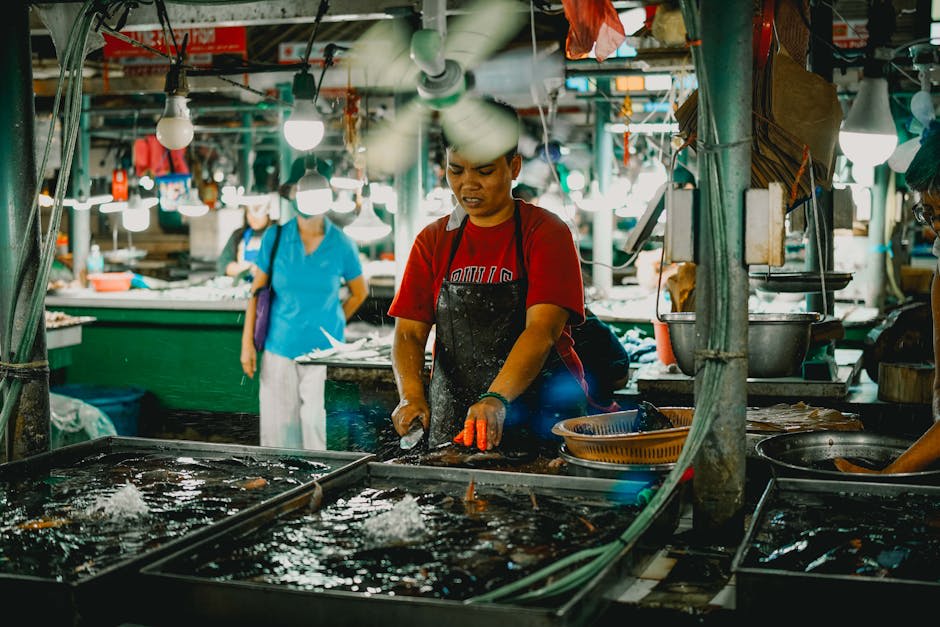
The Filipino Night Market is a long row of stalls where you choose your seafood — prawns, squid, fish, crab, lobster — and they grill it on the spot. The prices are absurdly low. We ordered a whole grilled barramundi, a plate of tiger prawns in butter garlic, and a mountain of stir-fried morning glory for less than what a bowl of ramen costs in Tokyo. The market fills with smoke and the sound of sizzling and the chatter of families eating at communal tables, and the whole experience feels less like dining out and more like being absorbed into a city that considers feeding people its primary civic duty.
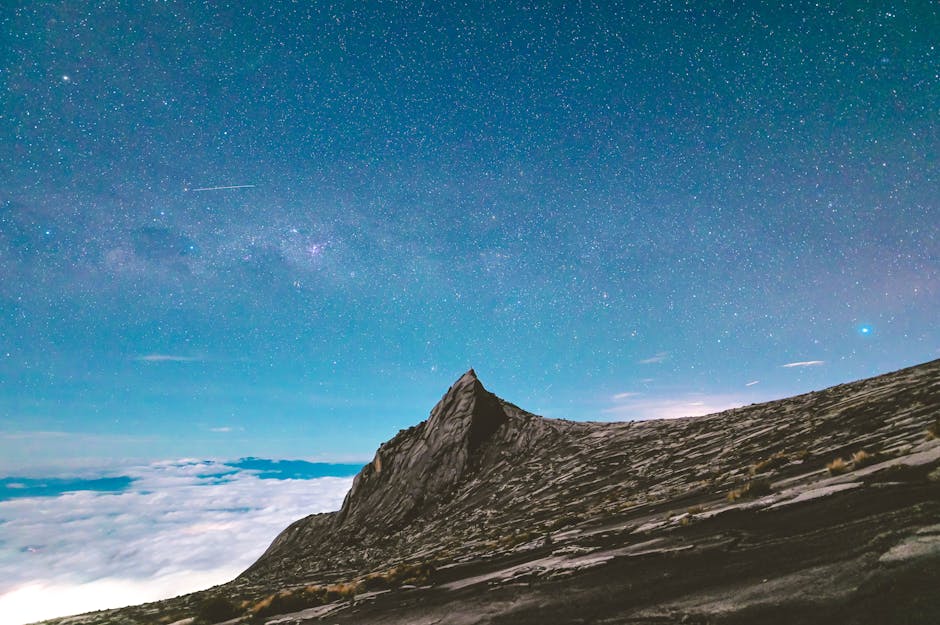
The climb up Mount Kinabalu is a two-day, one-night endeavour that rewards you with a sunrise above the clouds. The trail starts in montane forest — orchids, pitcher plants, rhododendrons — and ascends through cloud forest into bare granite above the tree line. The overnight stay at Laban Rata, the mountain hut at 3,272 metres, is spartan but functional, and the 2am wake-up call for the final push to the summit is brutal. But standing on Low’s Peak at dawn, watching the clouds spread below you like a second ocean while the granite plateau turns gold — that image stays. It is not a casual hike. You need a permit, a guide, and a booking made months in advance. It is worth every logistical headache.
The Tunku Abdul Rahman Marine Park — five islands a short boat ride offshore — offers excellent snorkelling and the kind of beach day that makes you forget you have a return flight. We took a speedboat to Sapi Island, snorkelled over coral gardens teeming with clownfish and parrotfish, and spent the afternoon on sand so white it felt theatrical. Manukan Island is slightly more developed, with better facilities and a restaurant, but Sapi felt wilder, less curated. Both are twenty minutes from the city. That proximity — jungle mountain behind you, island paradise in front — is what makes KK feel like a cheat code.
The Sunday market sprawls across the city with everything from jungle produce — wild ferns, bambangan fruit, and things I had never seen before — to handmade crafts from Sabah’s indigenous communities. The handicraft market near the waterfront is open daily and sells beadwork, woven textiles, and traditional Kadazan-Dusun items that make far better souvenirs than anything in an airport shop.
The city itself is compact and walkable, with enough cafes and restaurants to fill a week of meals. The coffee scene is surprisingly good — Sabah grows its own beans in the Tenom Valley, and the local kopitiam culture blends Chinese Malaysian coffee traditions with third-wave sensibility. We found a rooftop cafe overlooking Signal Hill that served single-origin Sabah coffee and possessed a view that no Instagram filter could improve.
When to go: January to March is driest. The climb season for Kinabalu runs year-round but permits sell out months ahead — book two to three months in advance minimum. Avoid October to January for island trips when seas can be rough.