
Ipoh
"Ipoh's bean sprout chicken made us question every chicken dish we had eaten before."
Ipoh is having a moment, and it deserves every bit of it. The old town is a grid of colonial-era shophouses being steadily reinvented as cafes, galleries, and boutique hotels, all set against a dramatic backdrop of limestone karst mountains that rise from the flatlands like something from a Chinese painting. The street art scene rivals Penang’s — murals by Ernest Zacharevic and local artists cover walls throughout the old town — but the crowds have not arrived yet, which means you can actually stand in front of a mural without waiting for twelve people to finish their photos.
The architecture alone is worth a day of wandering. The Ipoh Railway Station, known locally as the Taj Mahal of Ipoh, is a Mughal-inspired colonial building so grand it seems designed for a city ten times the size. The old town’s shophouses display a range of styles — Art Deco, Neoclassical, Straits Eclectic — and many are being restored with a sensitivity that preserves their character while repurposing the interiors. We stayed in one that had been converted to a boutique hotel, the original tile floors intact, the ceiling fans moving slowly above us, the street below quiet in a way that KL and Penang no longer manage.
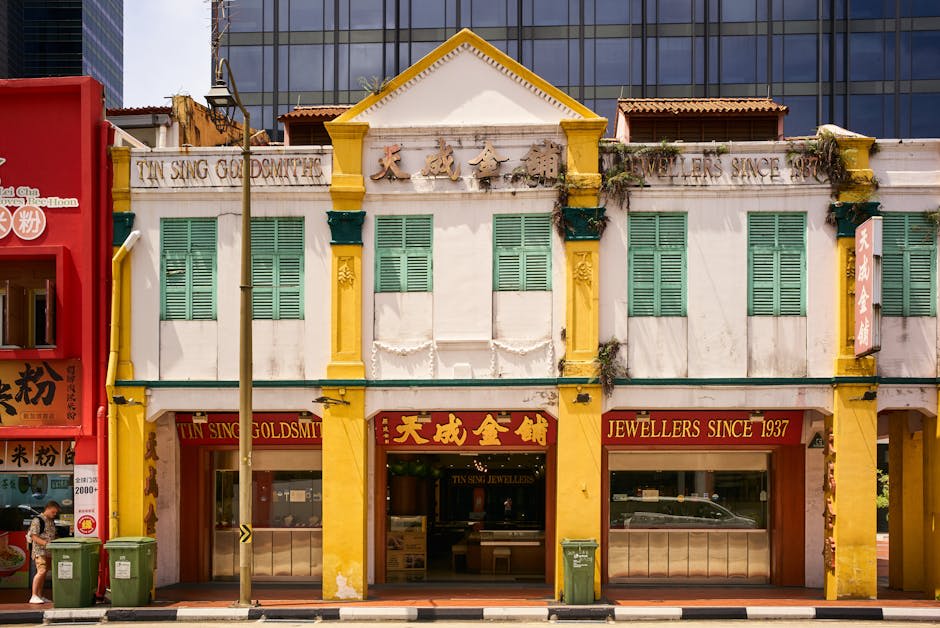
The food is why Malaysians make the pilgrimage. Ipoh’s white coffee — a roasting style unique to the city, the beans roasted with margarine and served with sweetened condensed milk — is the original, and drinking it in its birthplace is a different experience from the canned versions sold across Southeast Asia. We went to Nam Heong, which has been serving it since the 1950s, and the first sip was a revelation: smoother, less bitter, more nuanced than I had expected. Bean sprout chicken is the other pillar — poached chicken served with fat, crunchy bean sprouts grown with the region’s limestone-filtered water, which locals insist gives them their distinctive texture. At Nga Choy Kai on Jalan Raja Ekram, the sprouts were indeed crunchier than any I had eaten elsewhere, though I suspect confirmation bias played some role.
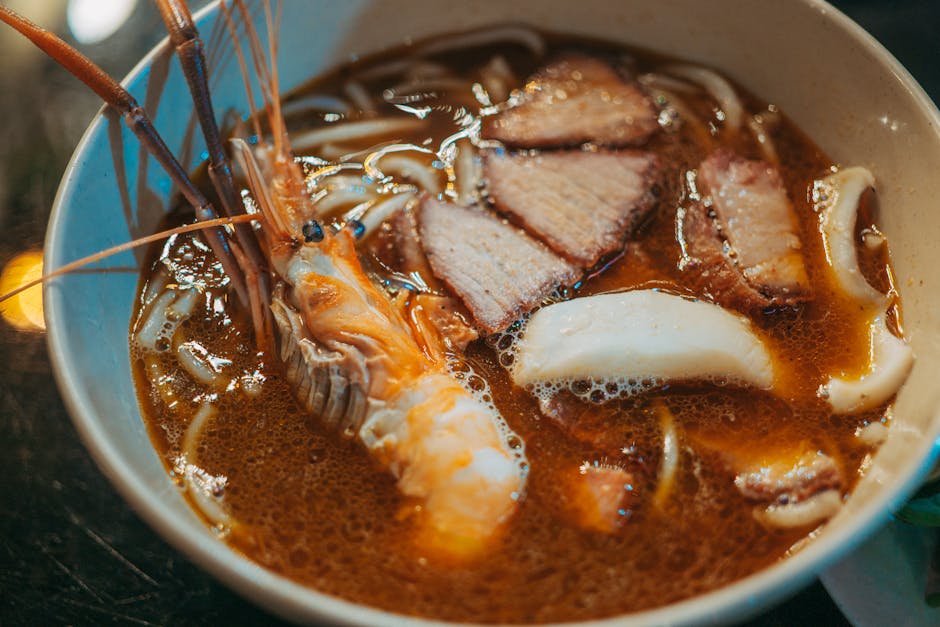
The hor fun noodles — flat, silky rice noodles in a clear broth with shredded chicken and prawns — are Ipoh’s third culinary claim, and they are extraordinary. The noodle texture is impossibly smooth, the broth light but deeply flavoured, and the simplicity of the dish is the kind that only emerges from decades of refinement. We ate them for breakfast at a hawker stall where the queue stretched to the door. The salted chicken, wrapped in parchment and baked until the skin is taut and the meat falls from the bone, completed the Ipoh food quartet.
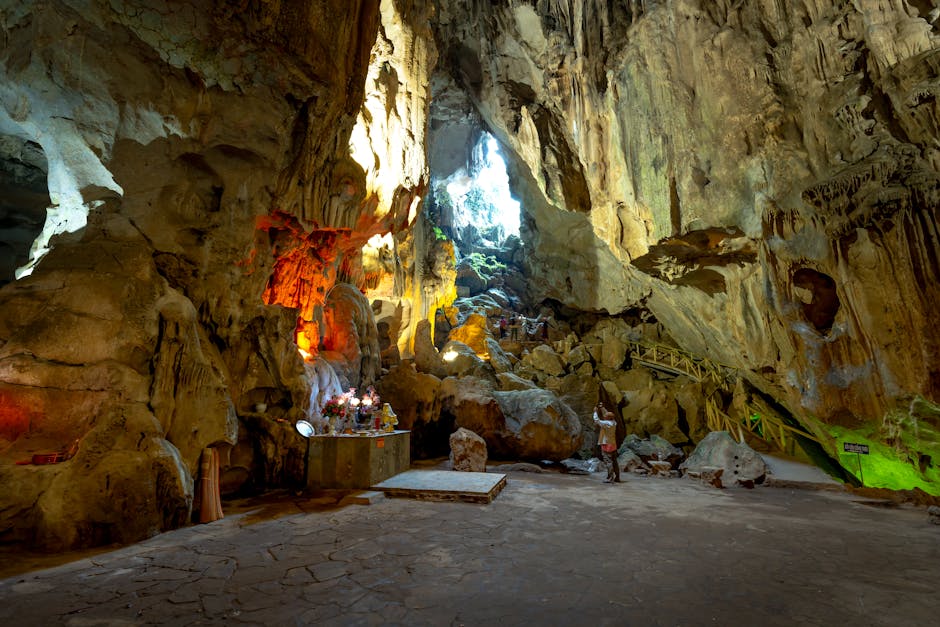
We visited the Sam Poh Tong cave temple — a Buddhist shrine set inside a limestone cavern with a garden at the rear that felt like a secret the city was keeping from the rest of the world. Koi ponds, bonsai, tortoises, and the limestone walls rising around you in a natural amphitheatre open to the sky. The Kek Lok Tong temple is even more dramatic — you enter through a cave passage and emerge into a valley of impossible green, the rear of the temple opening onto a landscaped garden with a lake reflecting the karst cliffs above. These are not tourist attractions in the conventional sense. They are places where devotion and geology have collaborated for centuries.
The Gua Tempurung cave system, thirty minutes from Ipoh, offers adventure-grade caving for those who want to crawl through river passages and squeeze between limestone formations in the dark. We did the three-hour tour and emerged mud-caked and exhilarated, blinking into the daylight like creatures who had forgotten what the sun looked like.
When to go: Year-round, though January to April is driest. Weekdays are quieter. Ipoh makes an excellent two-day stop between KL and Penang on the train line — the ETS takes about two hours from either city, and the journey through the limestone landscape is scenic enough to justify travelling by day.