
The Cameron Highlands feel like someone picked up a piece of the English countryside and dropped it into the Malaysian mountains. At 1,500 metres, the air is cool enough for strawberries, tea, and long walks without arriving drenched in sweat — a genuine luxury in equatorial Southeast Asia. After a week of Penang’s heat and KL’s humidity, the Camerons hit like a physical relief, the temperature dropping noticeably with every switchback on the winding road up from the lowlands.
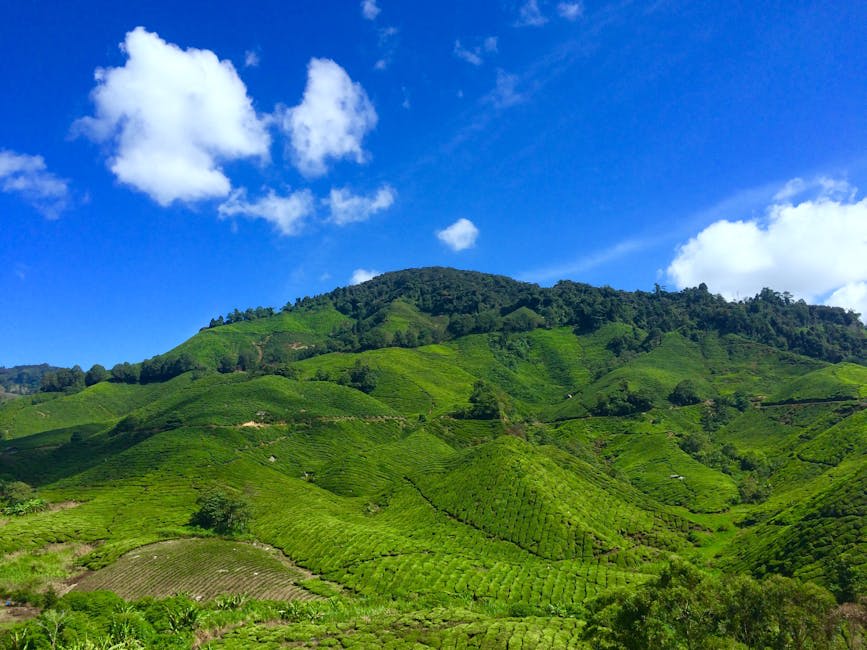
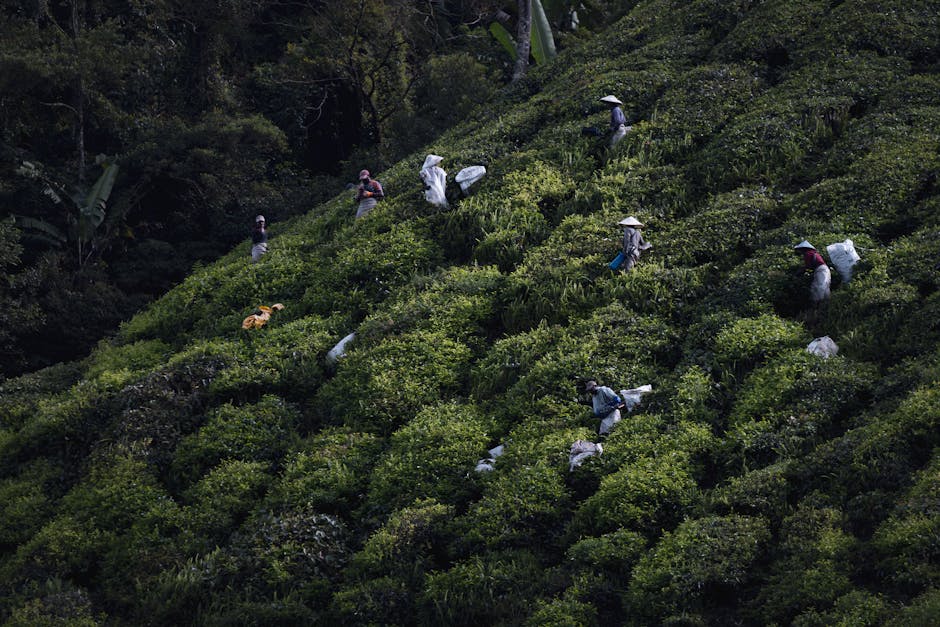
The BOH Tea Plantation is the centrepiece: rows of sculpted tea bushes flowing over the hillsides in hypnotic green waves that look like someone has combed the landscape. The Sungei Palas estate has a cafe perched on a hillside overlooking the plantation, and the cup of tea they serve there — fresh, floral, so recently processed you can taste the altitude — made me understand why the British colonizers chose this place. Not just for the climate, but for the possibility of recreating the one thing they missed from home. The tour of the factory is short but illuminating, tracing the journey from leaf to cup through a series of machines that have not changed much since the 1930s.
We hiked the mossy forest trail through cloud forest draped in ferns, orchids, and pitcher plants — a two-hour loop through a world that felt prehistoric, the trees stunted by altitude and swaddled in moss so thick the trunks had doubled in girth. The light filtered through the canopy in green shafts, and the silence was the kind that makes you aware of your own breathing. The trail is marked but not always clearly, and a local guide is worth the small fee for the botanical knowledge alone — ours pointed out medicinal plants, rare orchids, and a pitcher plant large enough to trap a mouse.
The morning market in Brinchang is a highland institution. Vegetables and flowers that cannot grow at lower altitudes — strawberries, asparagus, chrysanthemums, cabbage the size of footballs — are piled on tables by farmers who have been working these terraces for generations. The strawberry farms are a local obsession, and while the pick-your-own operations are aimed at domestic tourists, the strawberries themselves are genuinely good — small, sweet, and tasting of cool air and red earth.
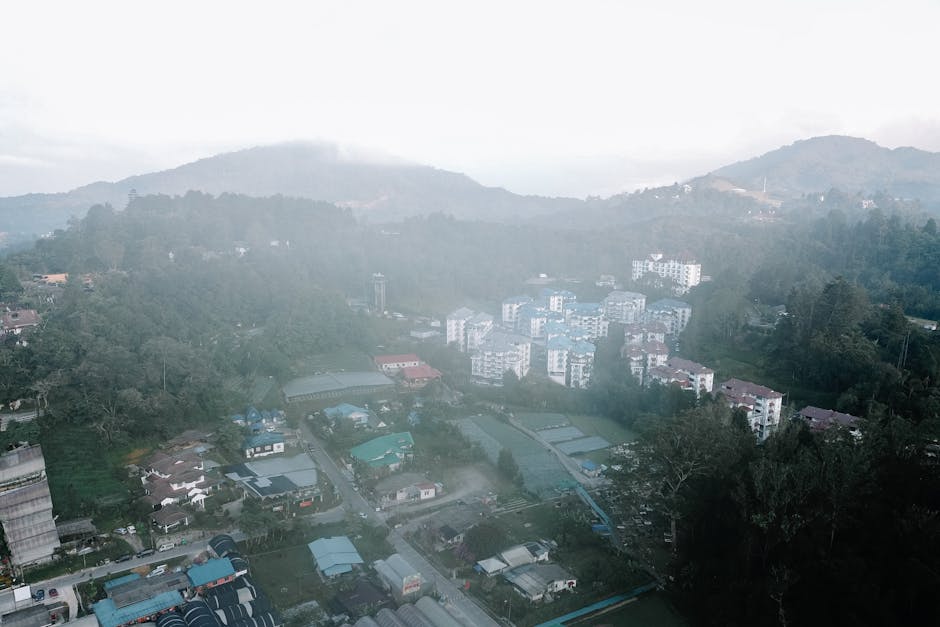
The colonial legacy is visible everywhere. Tudor-style bungalows with names like Ye Olde Smokehouse and Lakehouse sit among the hills with gardens that would not look out of place in the Cotswolds. The Smokehouse still serves cream teas with scones and clotted cream, and while the nostalgia it trades on is not mine — I am French, after all — there is something disarming about eating a scone at 1,500 metres in the middle of the Malaysian jungle while mist rolls through the valley below.
Steamboat for dinner is the local ritual — a simmering pot of broth set into the centre of the table, with plates of thinly sliced meat, tofu, vegetables, and noodles that you cook yourself. In the cool evening air — a rare treat in Malaysia — it is the perfect meal, social and warming and exactly right for a place that exists at the intersection of altitude and comfort.
When to go: Year-round — the highland climate means consistent cool temperatures between 15 and 25 degrees Celsius. March to September is slightly drier. Weekends bring domestic tourists, so aim for midweek visits if possible. The drive up from KL takes about three hours and is scenic but winding — if you get carsick, take the front seat.