
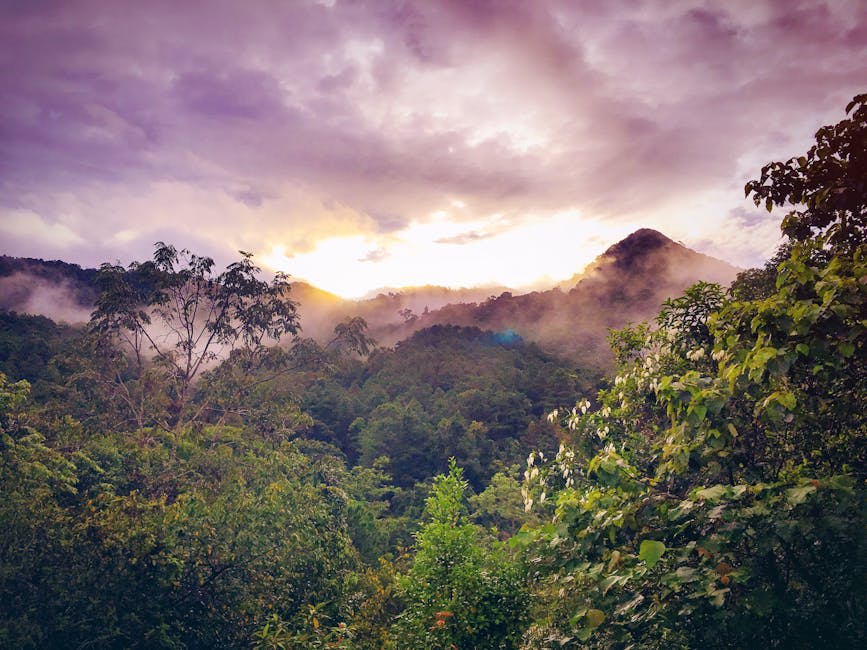
Malaysian Borneo is where the wild things actually are. In the Danum Valley, we woke before dawn and walked into primary rainforest that has stood unbroken for 130 million years. The canopy blocked the sky entirely. The air was thick with moisture and the sound of things moving in layers — insects at ear level, birds somewhere above, and deeper, further, the low calls of animals we would never see. We heard pygmy elephants before we saw them — the crack of branches, then a family group crossing the river with an unhurried grace that made us hold our breath. A mother nudged her calf forward with her trunk. They crossed in single file. Nobody spoke.
The Danum Valley Conservation Area is one of the last places on earth where you can walk through forest that predates human existence. The trees here are immense — dipterocarps rising fifty metres with buttress roots the size of walls — and the biodiversity is staggering. Our guide identified fourteen species of bird in a single tree. Fourteen. In one tree. The forest floor was alive with leeches, which I had been warned about and which I grew to respect as a marker of genuine wilderness. If there are no leeches, the forest has been disturbed.
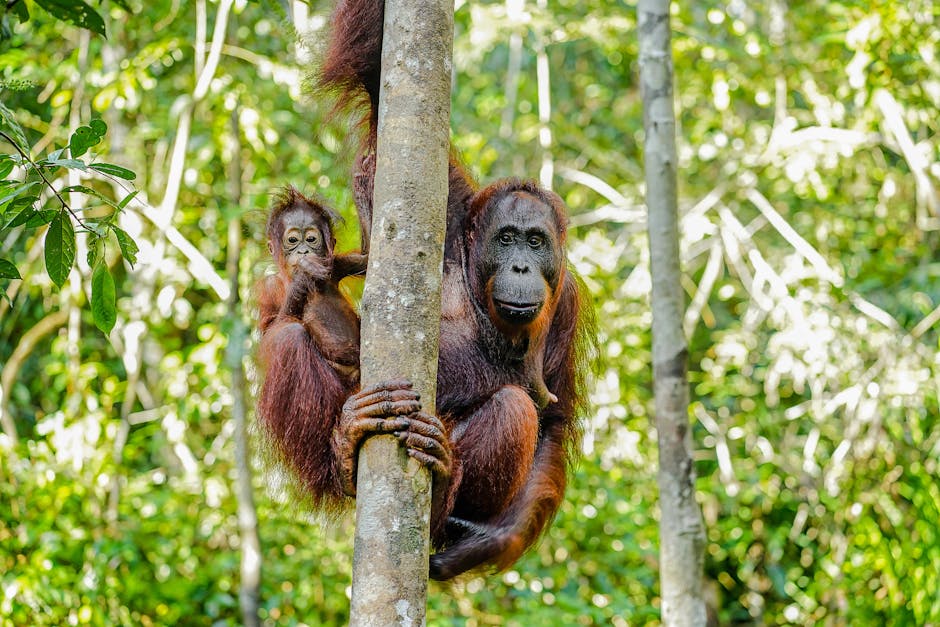
Sepilok Orangutan Rehabilitation Centre gave us face-to-face encounters with orphaned orangutans being taught to return to the wild. The feeding platform sits at the edge of the forest, and at ten in the morning the orangutans swing in from the canopy — not on cue, not trained, but because they know there is fruit. A mother arrived with an infant clinging to her chest, and the infant stared at us with an expression so recognizably human that the evolutionary distance between us collapsed to nothing. The adjacent Bornean Sun Bear Conservation Centre houses the world’s smallest bears in a rescued habitat — smaller operations, less famous, and equally moving.
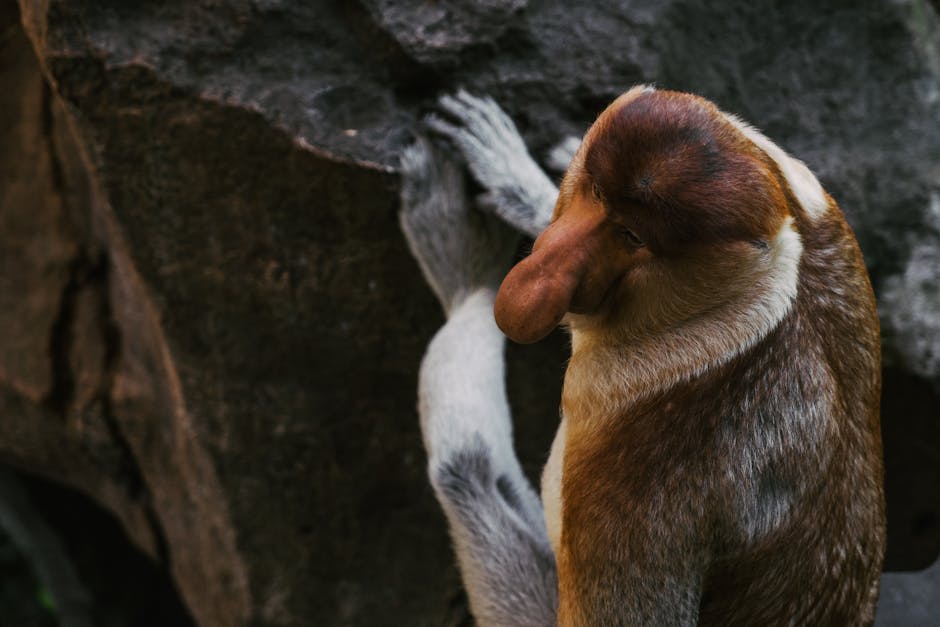
On the Kinabatangan River, we drifted at dusk in a small boat past proboscis monkeys, hornbills, and crocodiles basking on mudbanks. The proboscis monkeys are absurd and magnificent — the males with their enormous pendulous noses, the females leaping between trees with a recklessness that seems designed to test gravity. We saw a wild orangutan on the riverbank, feeding in a fig tree, and the guide cut the engine so we could watch in silence. It looked at us once, decided we were uninteresting, and returned to its figs.
The caves at Mulu National Park are another dimension entirely. The Deer Cave has the largest cave passage in the world — big enough to fit St Paul’s Cathedral inside — and at dusk, millions of wrinkle-lipped bats spiral out of the entrance in a column visible from kilometres away. The Clearwater Cave system extends over 200 kilometres and is still being mapped. We took a boat through the lower passages, the headlamps revealing formations that have been growing for millions of years, stalactites and stalagmites in shapes that looked deliberate, designed, impossible.
Borneo makes you feel the sheer improbability of biodiversity. Every tree is an apartment building of species. Every river bend reveals something that does not exist anywhere else on the planet. It is also fragile — the palm oil plantations visible from the air on the flight in are a reminder that what we are walking through is not guaranteed to survive. Go now.
When to go: March to October is drier and best for wildlife. The Danum Valley and Kinabatangan are accessible year-round. April and May offer the sweet spot of good weather and manageable humidity. Book Mulu cave tours in advance during school holidays.