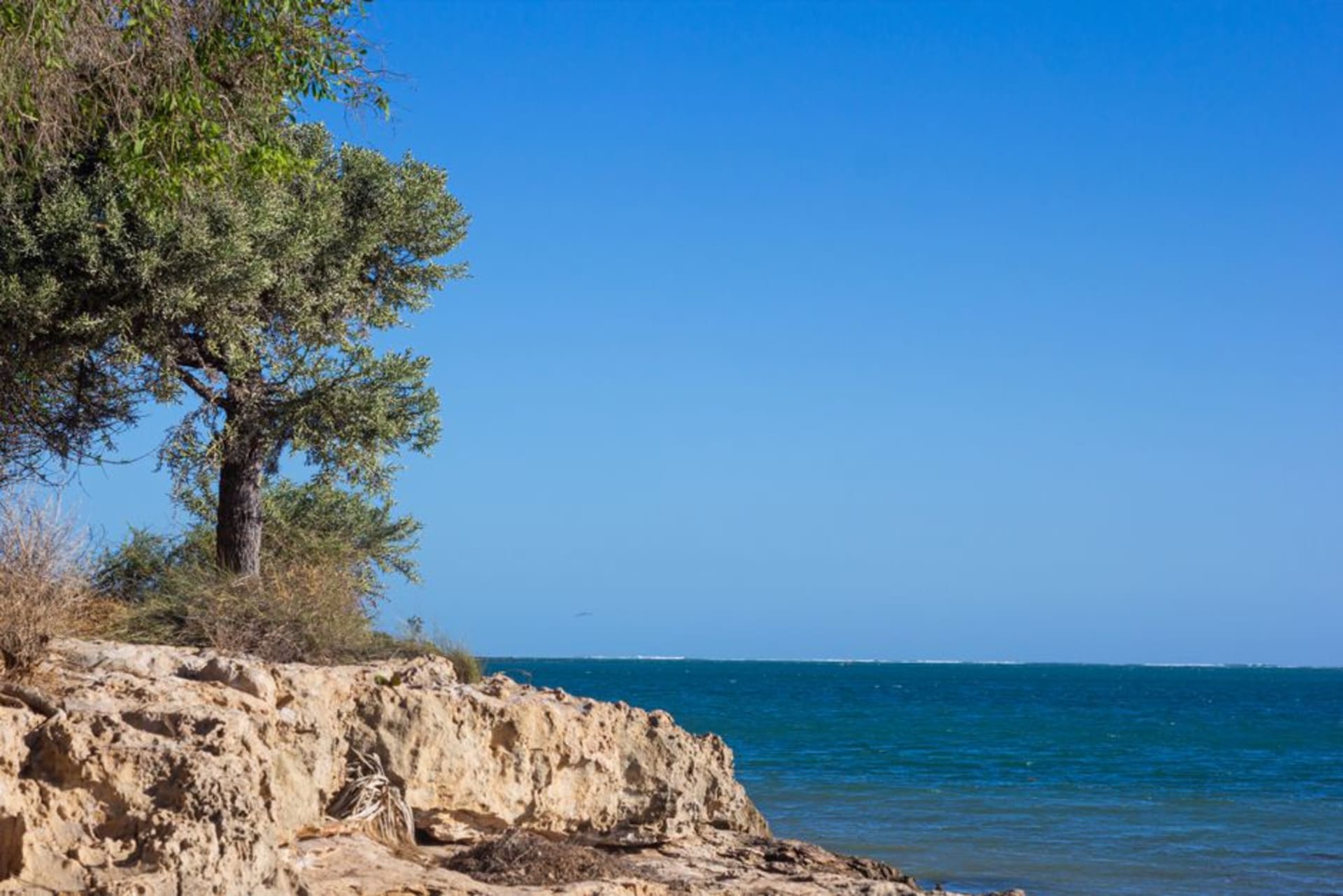
Toliara
"The heat here has a texture to it. By ten in the morning you can feel it pressing on your shoulders like a hand."
A dusty southern port city ringed by spiny desert forest, zebu carts, and some of the best-preserved coral reefs left on the coast.
Toliara — most people, French and Malagasy alike, still default to the old spelling Tulear — sits at the southwestern edge of Madagascar in a rain shadow so pronounced that the surrounding landscape turns to spiny desert within a few kilometers of the coast. The city itself is dusty, low-slung, and unglamorous in the way that working port towns tend to be, its wide streets built for an era of colonial ambition that never quite delivered the traffic to match them.
Carts Instead of Cars
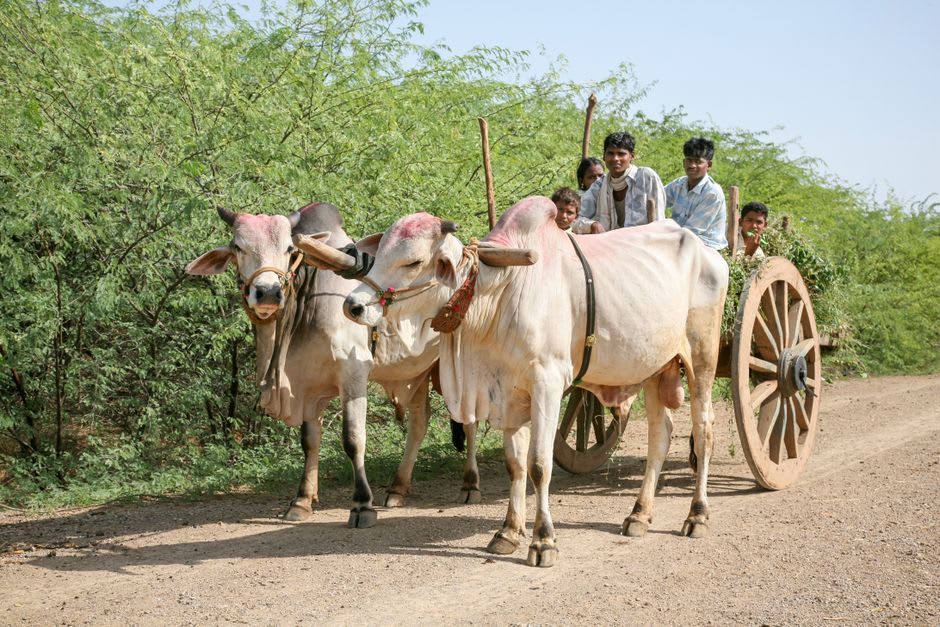
The most immediate thing you notice, arriving from almost anywhere else in Madagascar, is how completely zebu carts have replaced motorized traffic on the back streets — heavy wooden-wheeled carts pulled by the region’s iconic humped cattle, hauling everything from firewood to furniture to entire families, moving at a pace that makes the whole town feel slowed down to walking speed even where the roads are perfectly good for cars. I spent a morning just sitting outside a café near the market watching this traffic pattern sort itself out, no signals, no obvious rules, and somehow no collisions either.
The Desert at the City’s Edge
What makes Toliara worth the flight, though, is what surrounds it. Drive twenty minutes in almost any direction inland and the vegetation changes entirely into spiny forest — an ecosystem found nowhere outside this corner of Madagascar, dominated by octopus trees and other succulent, thorn-armored plants that have evolved to survive on almost no rainfall. It looks less like Africa and more like something from a science-fiction concept sketch: swollen, bottle-shaped trunks, branches ending in spines instead of leaves, a landscape that seems actively hostile to water loss in every visible adaptation.
Reefs Just Offshore
The coastline south of the city, running through Ifaty and down toward Anakao, holds one of the longest coral reef systems in the western Indian Ocean, and Toliara functions as the practical base for reaching it — a place to arrange a boat, stock up on supplies, and get a decent night’s sleep in air conditioning before heading further down the coast. I used it exactly that way, spending one full day just handling logistics and eating grilled fish at the harborfront before pushing on, and didn’t regret the layover at all.

There’s a rawness to Toliara that some visitors find off-putting and that I found, on balance, refreshing after weeks of more curated tourist infrastructure elsewhere on the island — the heat is real, the dust gets in everything, and nobody’s trying especially hard to make the experience easy for you. It felt, more than most places I visited, like the actual working south of Madagascar rather than a version of it staged for visitors.
When to go: April through October, avoiding the intense heat and cyclone risk of the wet season. Bring more water than feels necessary.