
Svolvær
"Svolvær is where Lofoten remembers that people actually live here — and that changes everything about how you see the rest of the islands."
Most people pass through Svolvær without staying, which I did twice before finally giving in and spending three nights. The town has the reputation of being Lofoten’s utilitarian gateway — the place with the ferry terminal, the supermarket, the petrol station. This reputation is both accurate and completely beside the point. Svolvær is the only settlement in the archipelago that feels like a town rather than a village, and that difference turns out to matter enormously once you have spent a few days in the remote quiet of the smaller places.
The Svolværgeita — the Goat, two rock spires above the town that local climbers ascend and then leap between for reasons that require either considerable courage or considerable insanity — dominates the skyline in a way that makes you wonder how anyone gets anything done with that thing looking down at them all day. I never stopped noticing it. At dusk, with the town lights beginning to come on below, the two spires turned the colour of dark copper against the blue sky, and I stood on the quay for twenty minutes not taking photographs, just looking.
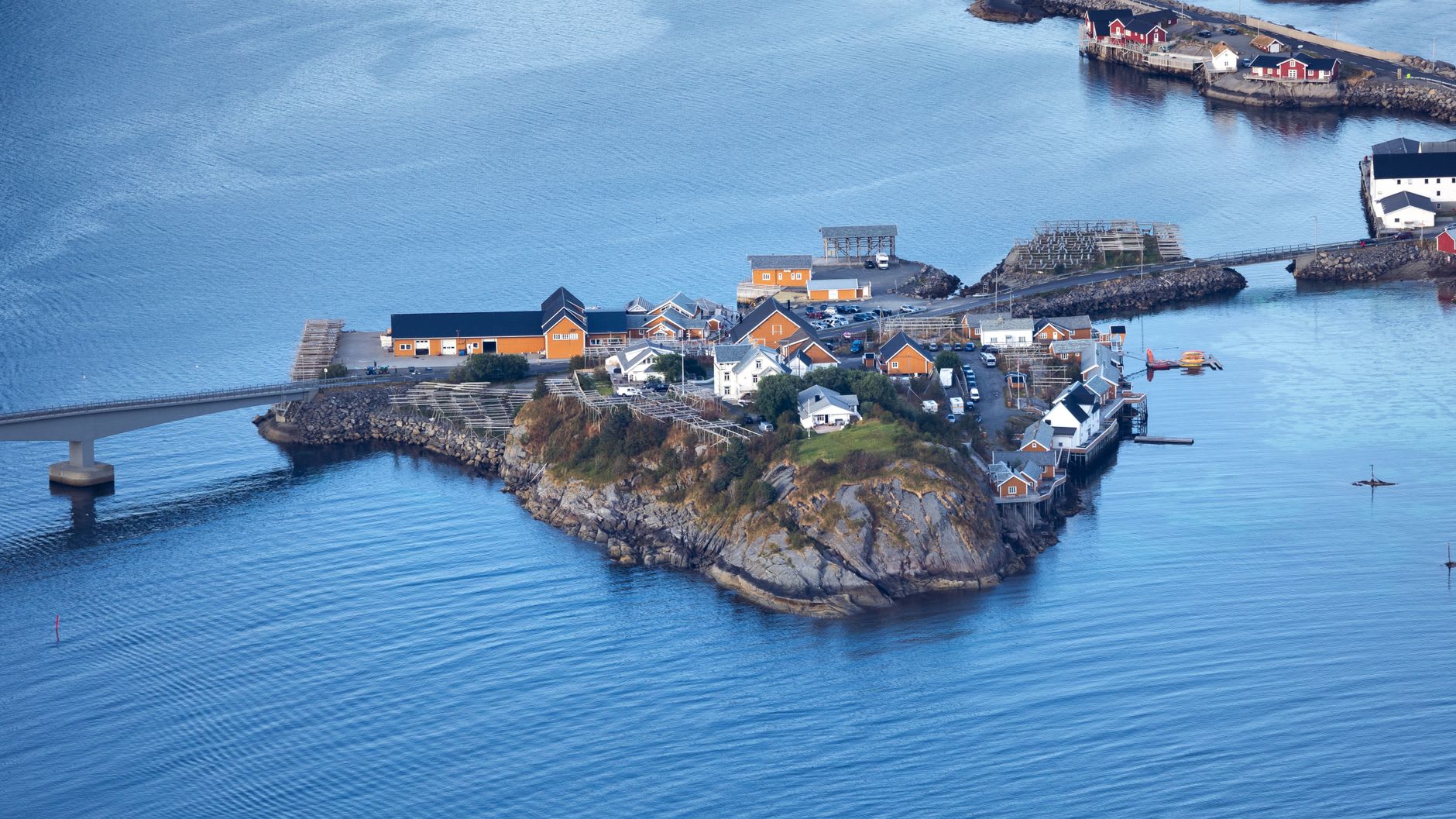
The Lofoten War Memorial Museum is small and should not be missed. It documents the German occupation of the islands from 1940 to 1945 through photographs, personal effects, and first-person accounts that are written with the kind of plainness that makes them devastating. The British commando raids of 1941, which evacuated local residents and destroyed the fish oil factories the Germans were using for war production — this is not widely taught history outside Norway, and the museum tells it with a quiet precision that stays with you. I came out into the late afternoon light afterwards feeling the particular weight of a place that has been through something.
Eating in Svolvær is significantly easier than elsewhere in Lofoten — the town has proper restaurants, a fish market at the harbour, and a few good cafés that do not rely on tourism to survive. I ate skrei — the season’s fresh Arctic cod, a different thing entirely from the dried version — at a restaurant on the waterfront, simply grilled with butter and herbs, served with flatbread, and I thought about how the same fish that hangs dried on wooden racks across these islands can taste, when fresh, this clean and this alive.
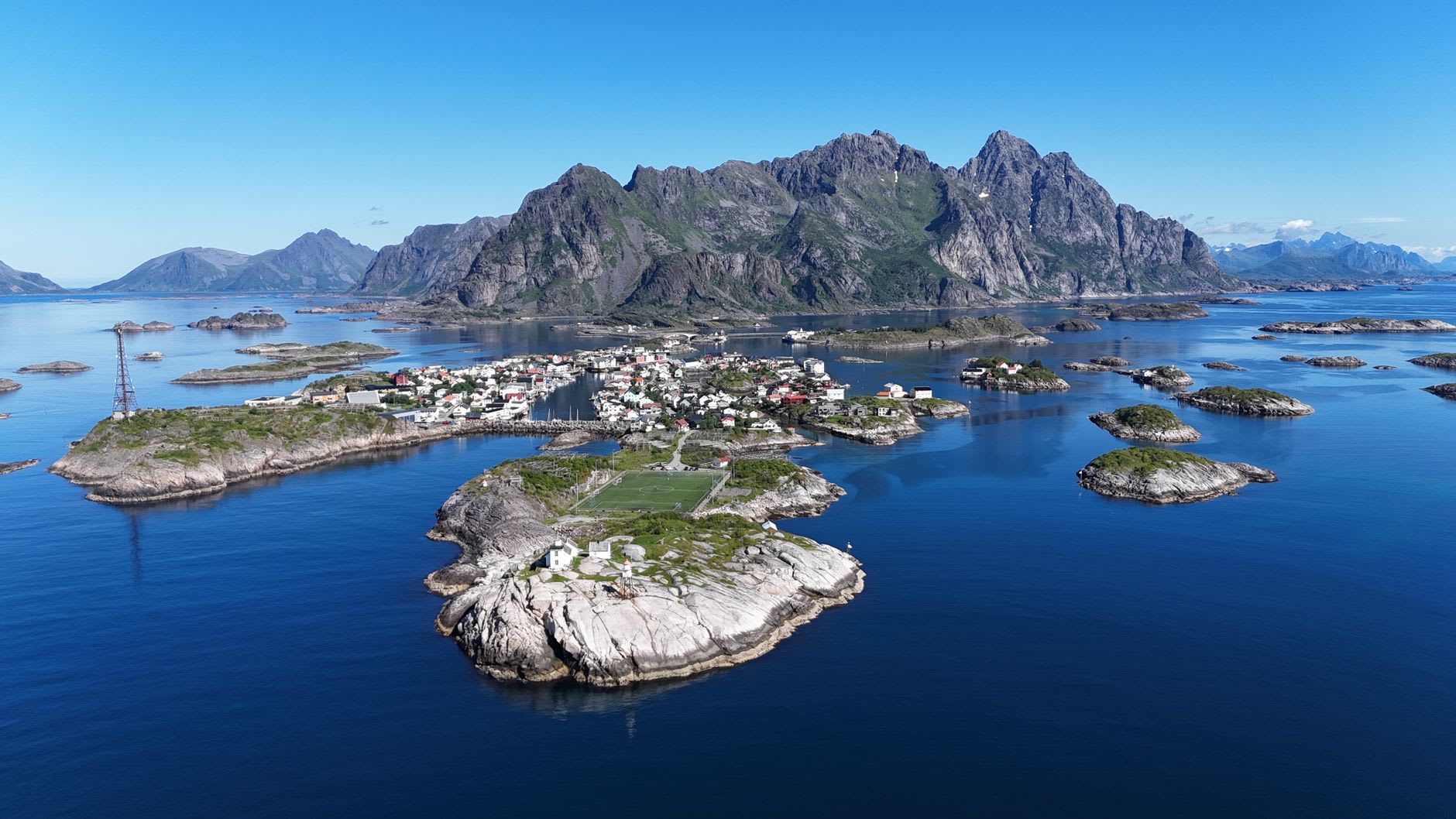
The Magic Ice bar — an ice sculpture installation housed in a permanent cold room — is more interesting than it sounds, though I went in the spirit of mild scepticism and came out having genuinely enjoyed the craftsmanship. The sculptures are large and detailed, mostly Viking mythology, and the beer comes in a glass made of ice. It is touristy and unapologetic about it. After days in remote villages, this registers as a kind of honesty.
When to go: Svolvær functions year-round as Lofoten’s functional hub. February and March are excellent — the Svolværgeita catches the aurora, the fish market is active with skrei season, and the town feels genuine rather than touristic. June and July bring midnight sun and more activity, but Svolvær handles summer crowds better than the smaller villages.