Lofotr Viking Museum
"Standing inside the Lofotr longhouse, the scale of it — eighty-three metres of smoke and timber — makes the word 'chieftain' suddenly make sense."
The longhouse at Borg is eighty-three metres long. I walked its interior end to end with the smoke from the central fire pits drifting toward the roof apertures above, the sound of the wind outside muffled by turf walls a metre thick, and I kept thinking about how the building’s dimensions — its sheer assertive length — were the point. This was not merely shelter. This was a statement about power, translated into timber and earth, designed to make you understand exactly how much the person who built it controlled.
The museum at Borg, on Vestvågøy island, sits on the site where Norwegian archaeologists in the 1980s discovered the foundations of the largest Viking Age longhouse yet found anywhere in Scandinavia. The reconstruction that now stands above those foundations is meticulous: built using period-appropriate tools and techniques, furnished with reproductions of objects found at the site, lit by fire and oil lamps rather than electricity. The effect, particularly in the low winter light when the fires are necessary, is something between archaeology and theatre — in the best possible way.
The chieftain who lived here from approximately 500 to 900 AD presided over a complex that included the longhouse, animal byres, boathouses, and outbuildings across a site that covered several hectares. The Lofoten islands were, in the Viking Age, not a remote and peripheral place — they were a strategic centre of power. The chieftain at Borg controlled the stockfish trade routes, maintained political relationships with the Norwegian mainland, and hosted the kind of feasts that the Norse sagas describe with relish. The museum’s permanent exhibition makes this history legible without romanticising it, which takes real curatorial discipline.
In summer, the museum stages Viking feasts in the longhouse — a full evening of period food, mead, and costumed performances that sounds hokey and turns out to be genuinely involving. I was sceptical and then not sceptical. They slaughter pigs on the premises for the feasts, which is presented matter-of-factly because it was, in the period being evoked, a matter of fact. The food is built around grain, preserved fish, root vegetables, and quantities of mead that the guides warn you about in advance with the experience of people who have watched many international tourists underestimate Norwegian mead.
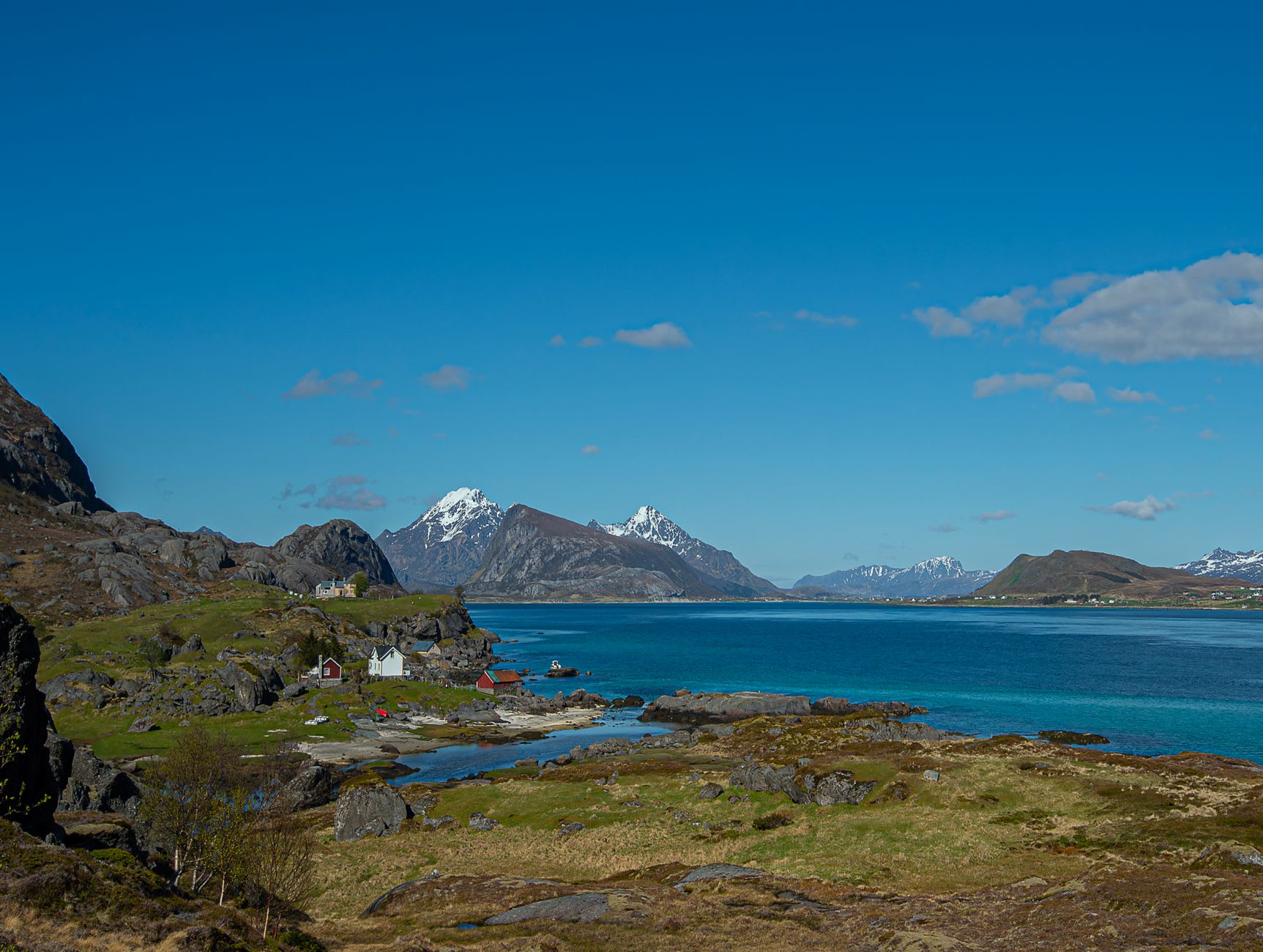
The replica Viking longboat moored at the museum dock can be taken out on the fjord with the museum’s guides during summer months, which is either a gimmick or one of the better things you can do in Lofoten depending entirely on the weather. I went on a clear afternoon in August and rowed until my arms gave out, which took about fifteen minutes, and then let the guides do the actual work while I sat in the prow and thought about what this same passage must have looked like without the road bridges visible on either side.
When to go: Summer — June through August — for the Viking feasts, longboat trips, and full programme of living history activities. Winter gives you the longhouse with fires burning and few other visitors, which is more atmospheric but less programmatically rich. The museum is closed in late winter; check ahead for exact dates.