Europe
Lapland
"Nowhere else has cold ever felt this much like a gift."
I arrived in Rovaniemi in early December on a flight from Helsinki, and the moment the cabin door opened the air hit my face like a wall of something clean and ancient. Minus twenty-two. I had lived in the Yucatán for two years by then, where the temperature never drops below twenty degrees, and the shock was not just physical — it was conceptual. Here, the darkness began at two in the afternoon and the sky above the runway glowed a deep bruised violet that had nothing to do with sunset and everything to do with a sun that had simply given up for the season. I stood on the tarmac for a moment longer than I needed to, letting it register.
Lapland moves slowly, which is either its greatest quality or its greatest challenge depending on what you came looking for. The landscape in winter is a monochrome painting — white ground, black treeline, pale sky — interrupted only by the occasional flicker of green light overhead when the aurora decides to show itself, which it does on its own schedule and nobody else’s. I spent three nights chasing the northern lights properly: driving reindeer tracks in a snowmobile at midnight, lying on my back in a frozen marsh with snow seeping into my collar, watching the sky perform. The light is genuinely surreal — not the soft arcs you see in photographs but something alive, shifting, almost muscular. Photographs do not capture it. This is one of those rare cases where the experience exceeds the image.
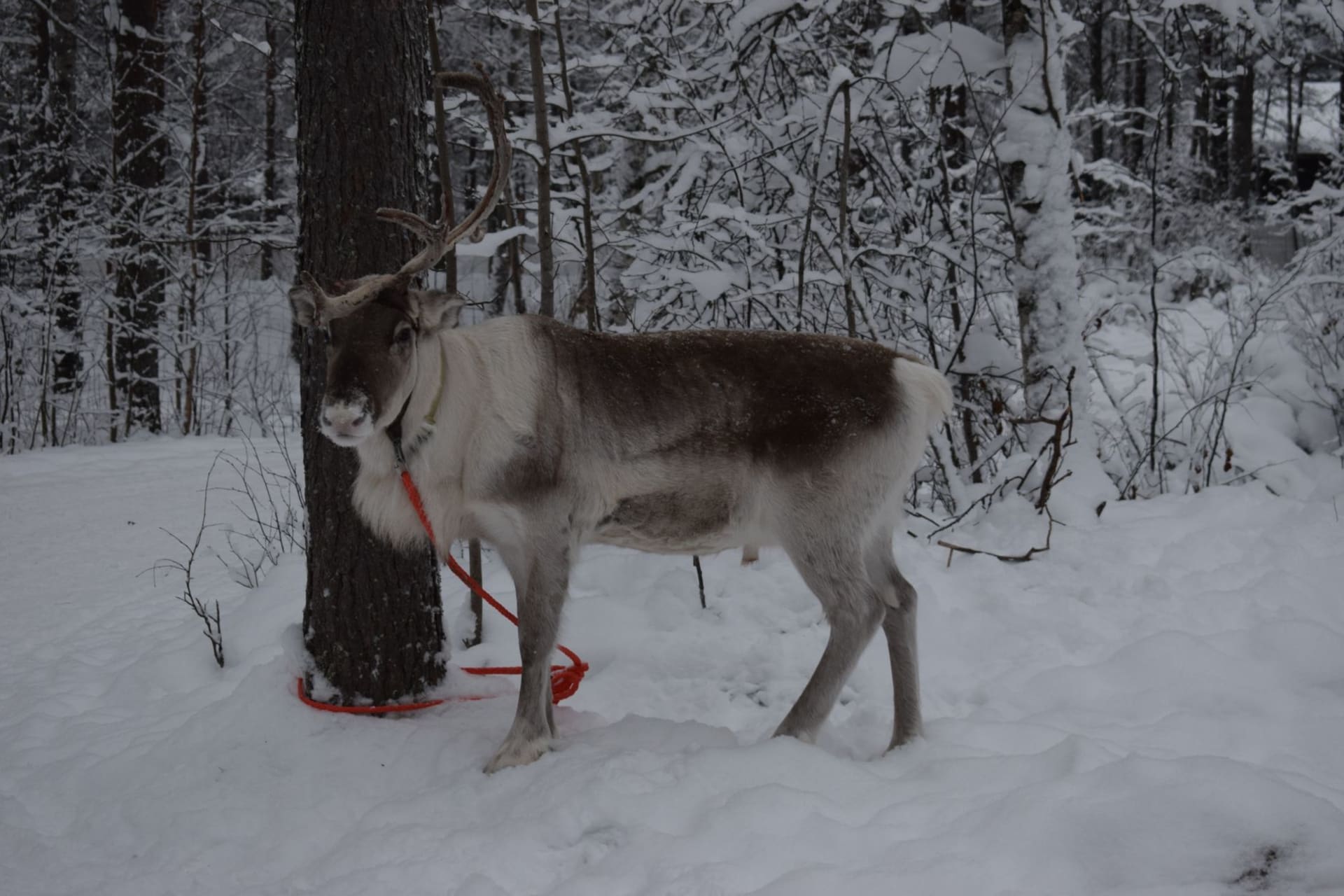
The Sámi culture gives Lapland its deepest texture, if you approach it honestly. The reindeer herders I met near Saariselkä had a relationship with their animals and their land that was impossible to romanticize without feeling immediately embarrassed by your own tourist presence — and that discomfort is worth sitting with. The food in the north is simple and extraordinary: poronkäristys, the slow-cooked shredded reindeer with mashed potato and lingonberries, eaten in a wooden hut while a wood stove ticks in the corner. Salmon from the Teno River. Cloudberries in everything. Finnish coffee, the strongest in Europe by consumption per capita, poured without ceremony from a thermos into a tin cup.
When to go: November to March for snow and northern lights, with December to February offering the most reliable darkness for aurora hunting. The polar night — kaamos — peaks around the winter solstice when Rovaniemi sees no sun at all for a few weeks. March is especially good: the days are getting longer, temperatures are still cold enough for snowmobiles and huskies, and the light on snow in late afternoon is extraordinary. Summer Lapland, June to August, is a completely different destination: the midnight sun, hikers, and a green landscape that most visitors never consider.
What most guides get wrong: They funnel everyone through Rovaniemi and its Santa Claus Village apparatus, which is a theme park dressed up as tradition. Skip it entirely, or pass through briefly and push north — to Saariselkä, Inari, or the Norwegian border. The further north you go, the more the experience becomes real. Lapland’s magic is in its emptiness and its silence, and those things disappear the moment a tour bus pulls up. Go further. Go slower. Book a wilderness cabin with a sauna, walk into the forest alone in the dark, and let the place be what it actually is.