Khutse Game Reserve
"Three hours from the capital and the world drops away so completely you wonder which one was the mirage."
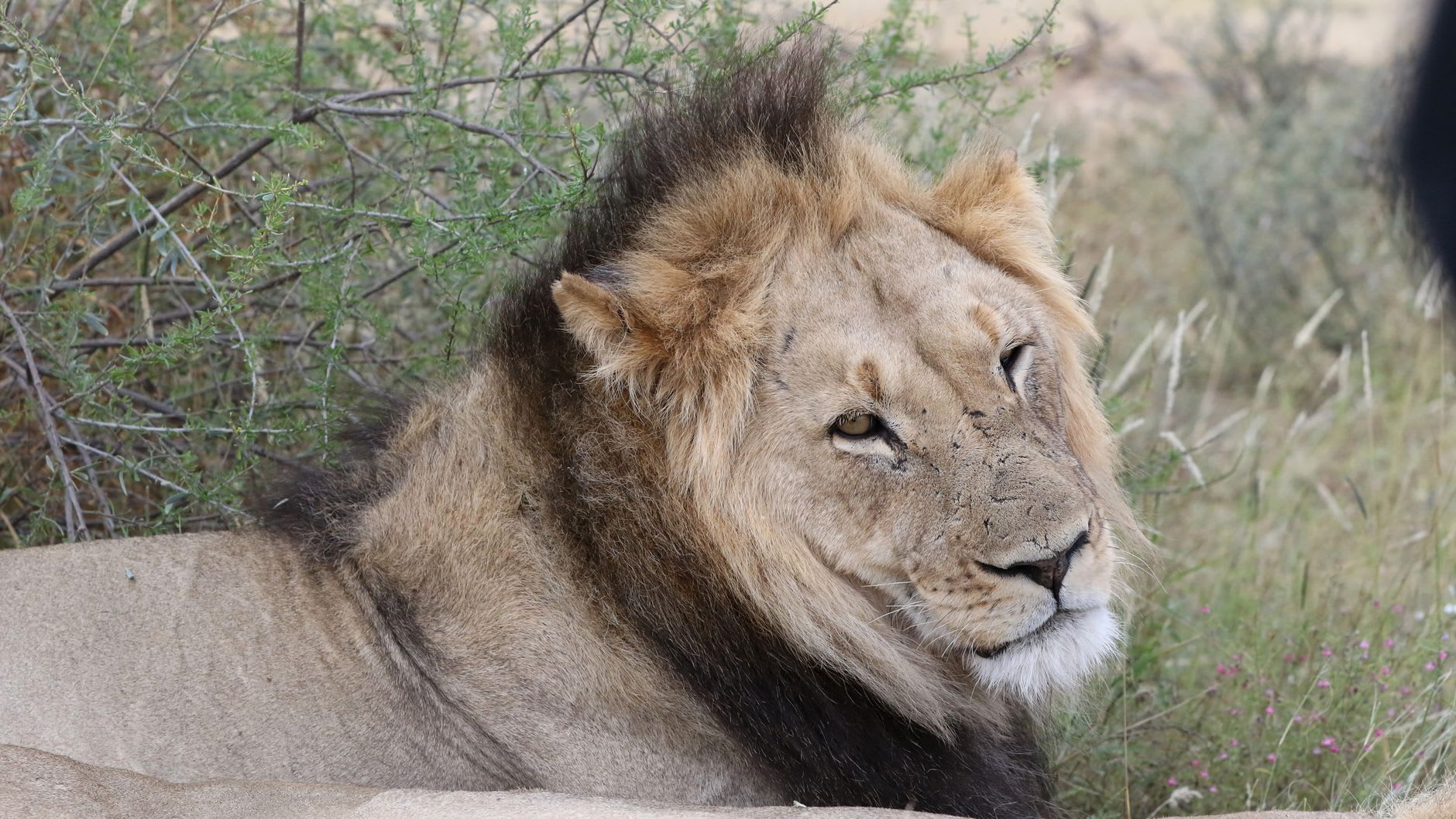
The thing nobody tells you about Khutse is how quickly it stops feeling like a weekend getaway and starts feeling like the real thing. The reserve sits three hours south of Gaborone on a road that deteriorates agreeably from tarmac to gravel to sand as you near the gate — a gradual transition that feels deliberate, like a decompression. By the time you park at the entrance, you have already left something behind. The tracks inside require a 4x4 but not the modified expedition vehicles needed for the deeper Central Kalahari. The gate officer issued me a fire bucket and gave instructions not to leave food visible in camp. “Lions come in,” he said, in a tone suggesting this was entirely routine, no more remarkable than the weather.
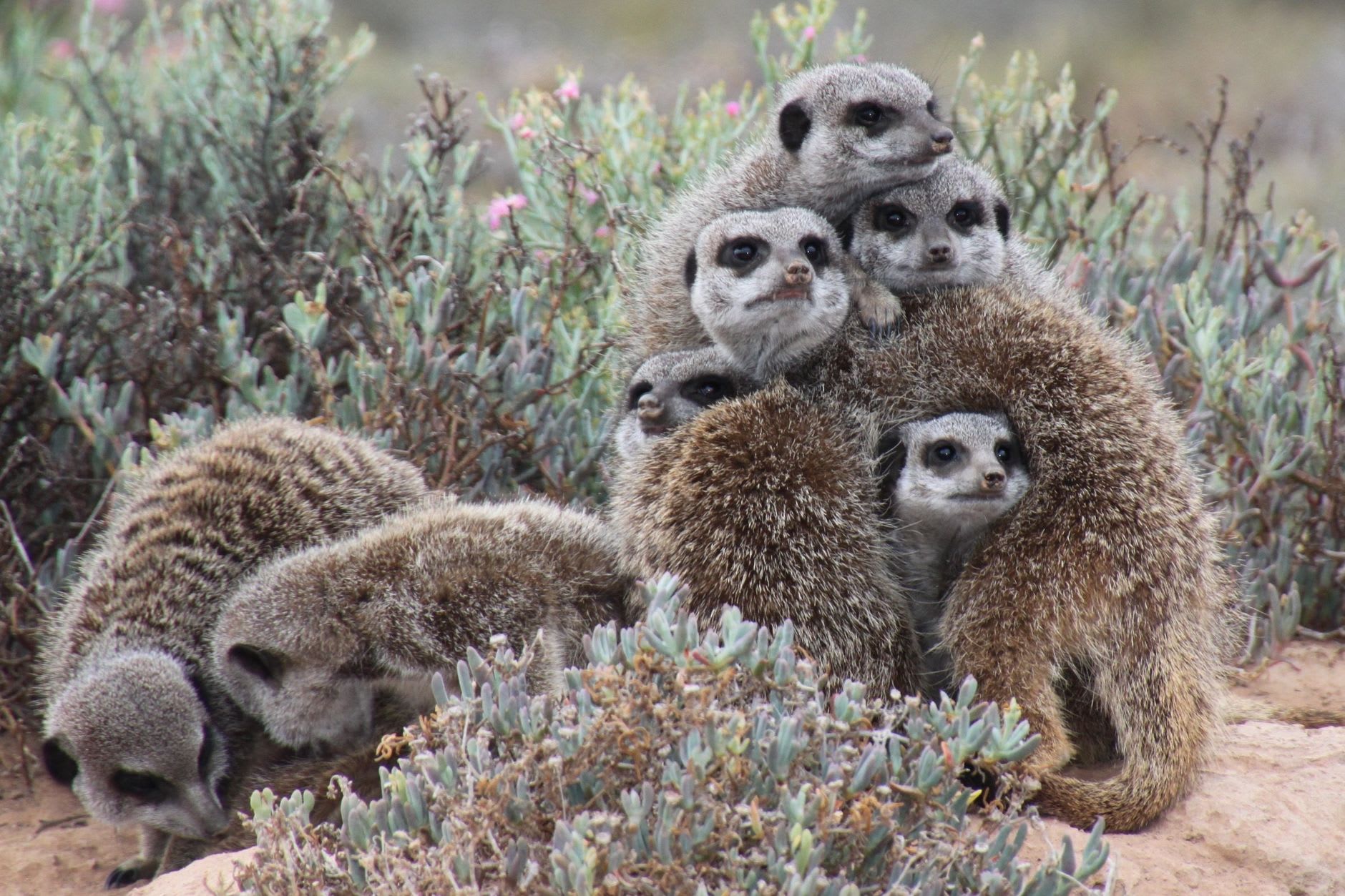
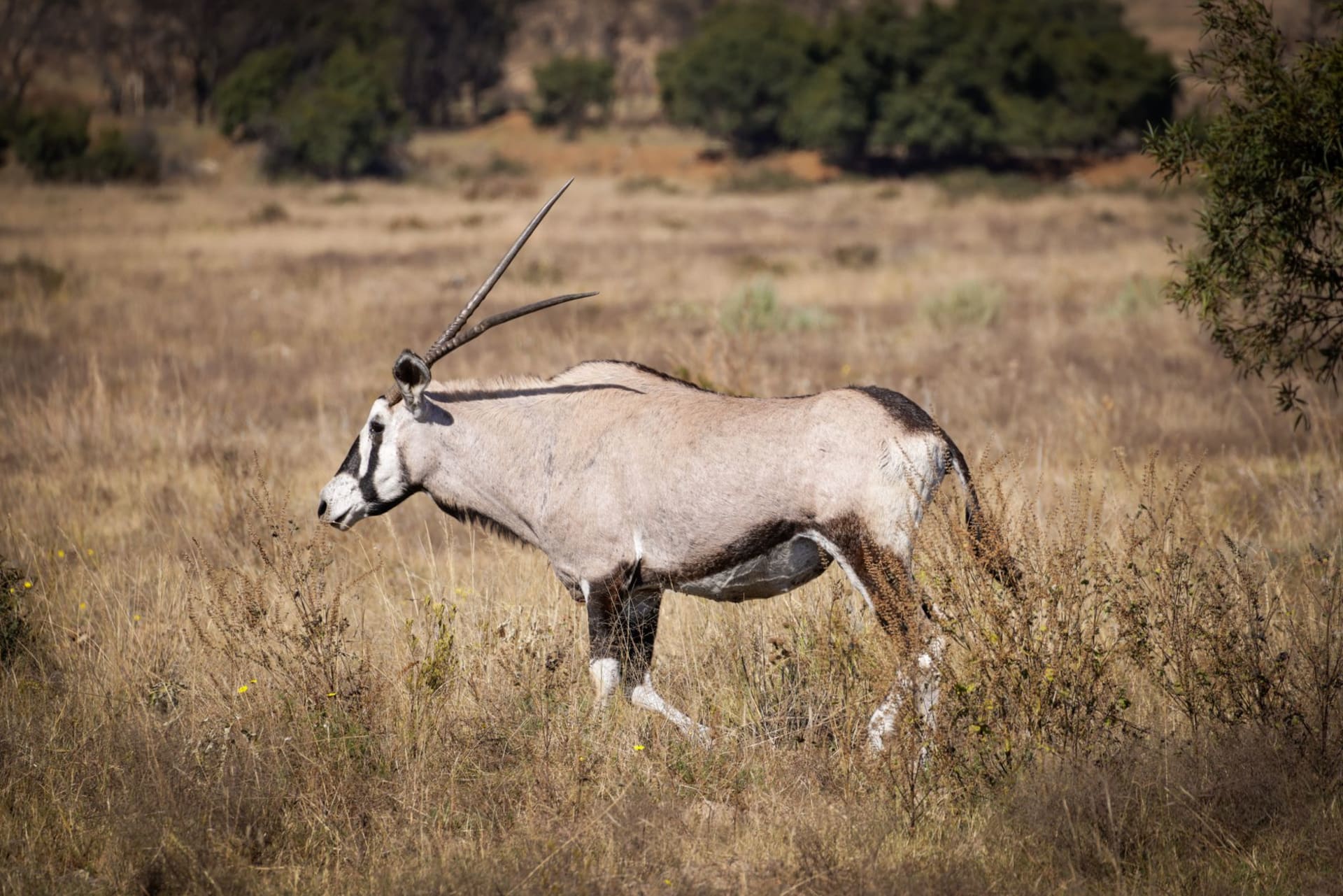
Khutse means “place where you can kneel to drink” in Setswana — a San name for the natural pans that make the reserve viable as a wildlife area and that still function as the organizing principle of animal movement within it. There are about six pans scattered across the 2,500 square kilometers, connected by sand tracks that loop and bifurcate in ways that look chaotic on the map but resolve into a logical circuit in practice. Each pan has its own personality. The main Khutse Pan is broad and shallow and draws gemsbok and red hartebeest in numbers that surprised me; a smaller unnamed pan to the northeast attracted only birds — hundreds of sandgrouse arriving at dawn in formations so precise they looked choreographed, spiraling down to the water and lifting again in a single coordinated motion before the raptors arrived.
The reserve lacks the dramatic red dunes of the Kgalagadi — the Khutse landscape is flatter, more uniform, the scrub denser and more olive-grey than burnt copper. But it has something the more famous parks lack: a sense of being genuinely undiscovered. I spent three days without seeing another vehicle. My own tracks in the sand from the previous day were the only human record I encountered. The camp fees are modest, the booking system not yet saturated with international travelers, and the lions — a pride was using the Khutse Pan area as their territory during my visit — operate as though they have never seen a camera. They probably haven’t seen many.
The reserve connects directly to the southern boundary of the Central Kalahari Game Reserve, and the wildlife moves freely between the two. Khutse is, in this sense, the anteroom to the deeper wilderness — close enough to reach in a day from the capital, wild enough to deliver everything the Kalahari promises, and quiet in a way that suggests the crowds have not yet figured out where it is.
When to go: May through September for dry-season game viewing when animals concentrate at the pans. Khutse is accessible in a high-clearance 4x4 and does not require the fully-kitted expedition setups needed for the deeper Central Kalahari. Booking is through Botswana Tourism; aim for May or September to avoid the peak July school holiday window.