Maui's unglamorous former county seat, all plantation-era storefronts and a courthouse turned museum, where nobody is selling you anything.
We ended up in Wailuku for a mundane reason — I needed a part for a rental car issue and the shop was on Market Street — and left having spent an entire unplanned afternoon there. It’s the kind of town most itineraries drive straight through on the way to ‘Iao Valley, five minutes up the road, without registering that the town itself deserved a stop.
Market Street, Unpolished on Purpose
Wailuku served as Maui County’s administrative seat for most of the twentieth century, and the architecture still carries that weight — a handsome 1920s courthouse, plantation-era storefronts with deep covered sidewalks built for rain rather than Instagram, a handful of buildings that have clearly not been renovated in decades and are better for it. Antique shops share block space with a Filipino bakery and a diner that’s been serving the same loco moco since before either of us was born.
Lia found a used bookstore stacked floor to ceiling with paperbacks in a building that used to be a bank, the old vault door still standing open at the back, now used for storing overflow inventory. We spent almost an hour there while the owner told us, unprompted, about the flash flood of 2016 that had put two feet of water through half the shops on the block.
Bailey House and the Quiet History
The Bailey House Museum, a restored 1830s missionary home built partly from lava rock, holds one of the better small collections of pre-contact Hawaiian artifacts I saw on the islands — fishhooks, feather work, stone tools laid out without much ceremony in rooms that still feel like a house rather than an institution. It’s easy to spend twenty minutes there and easy to spend two hours, depending on how the docent that day feels like talking.
We finished the afternoon with shave ice from a shop that’s operated on the same corner for three generations, sitting on a bench outside watching Wailuku go about being an actual town rather than a stop on someone’s itinerary.
When to go: Weekday afternoons are quietest and give shopkeepers time to talk. Pair it with an early morning at ‘Iao Valley, a five-minute drive up the same road.
Keep exploring
More from Hawai'i
 hawaii
 Waimanalo
The longest, widest, least photographed white-sand beach on Oahu, in a town that has quietly resisted every wave of development around it.
Explore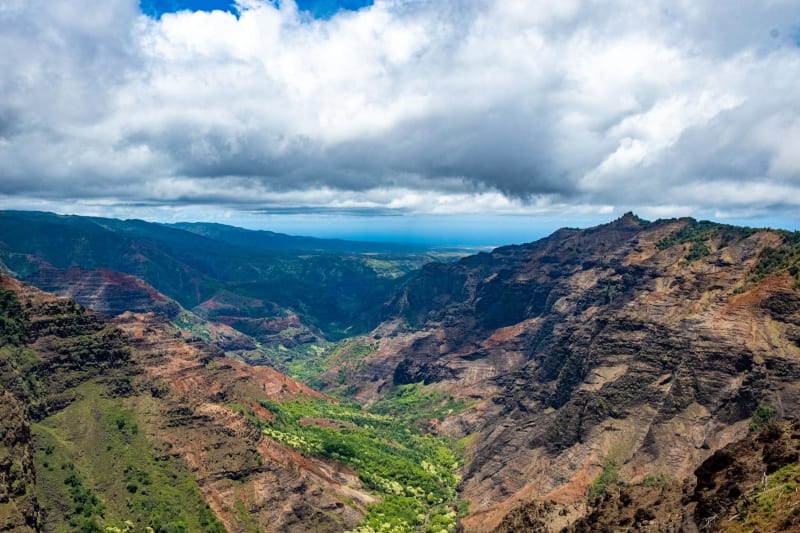 hawaii
 Waimea Canyon
The 'Grand Canyon of the Pacific' — a 3,600-foot-deep red-rock gorge carved by rain on a volcanic island.
Explore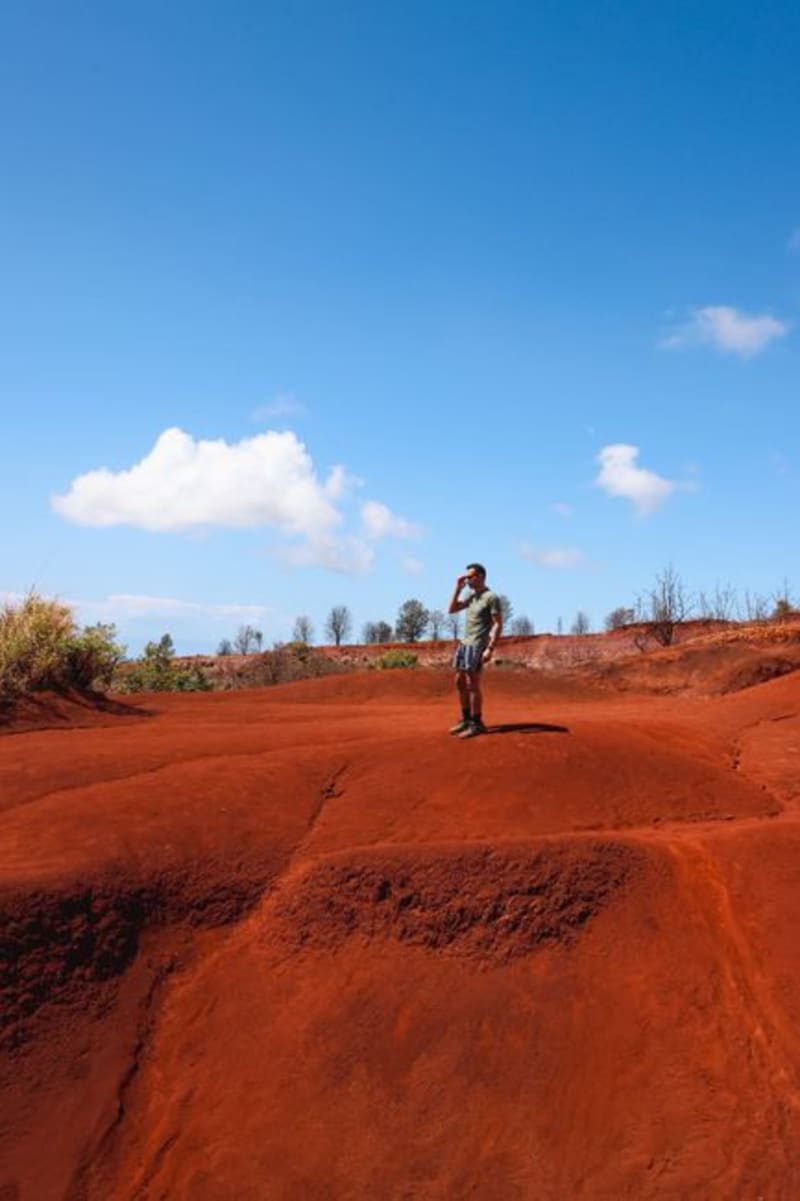 hawaii
 Waimea Town
The west side plantation town where Captain Cook first stepped onto Hawaiian soil, now a quiet gateway to Waimea Canyon with more history than traffic.
Explore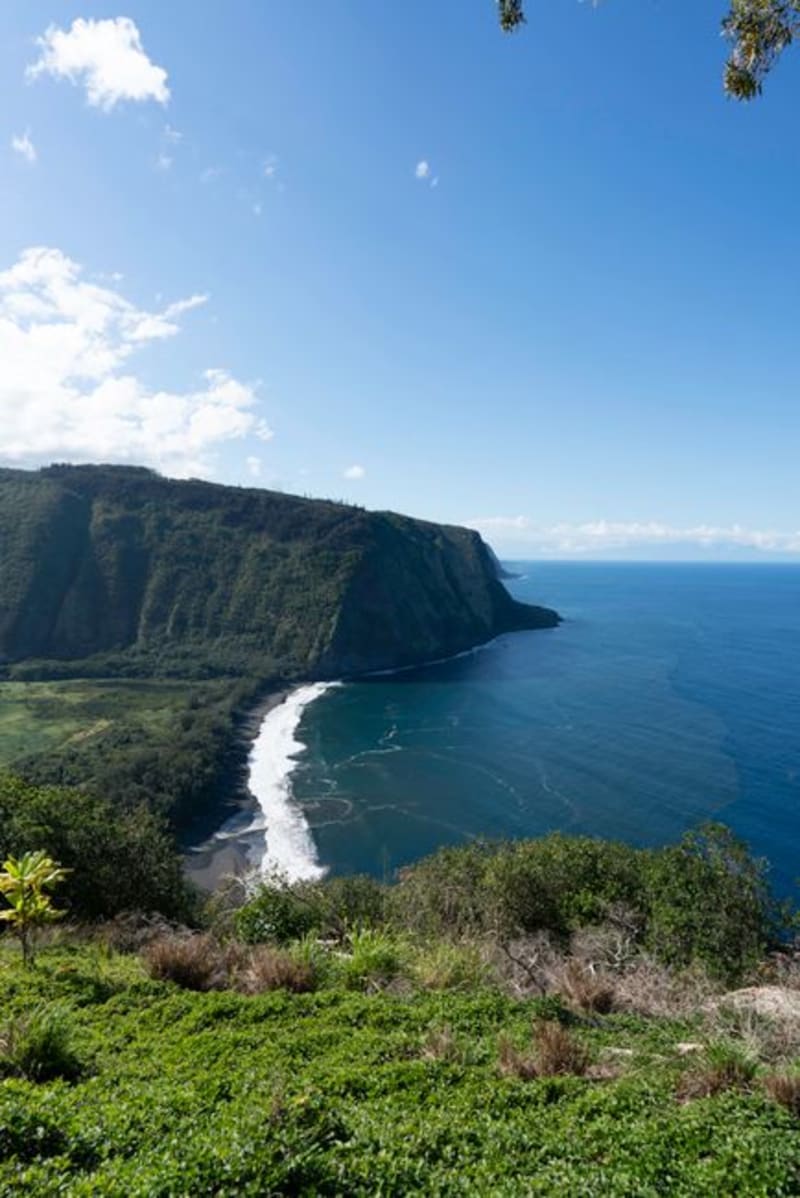 hawaii
 Waipi'o Valley
A mile-wide amphitheater of taro fields and wild horses at the bottom of the steepest road in Hawai'i, guarded by cliffs a thousand feet high.
Explore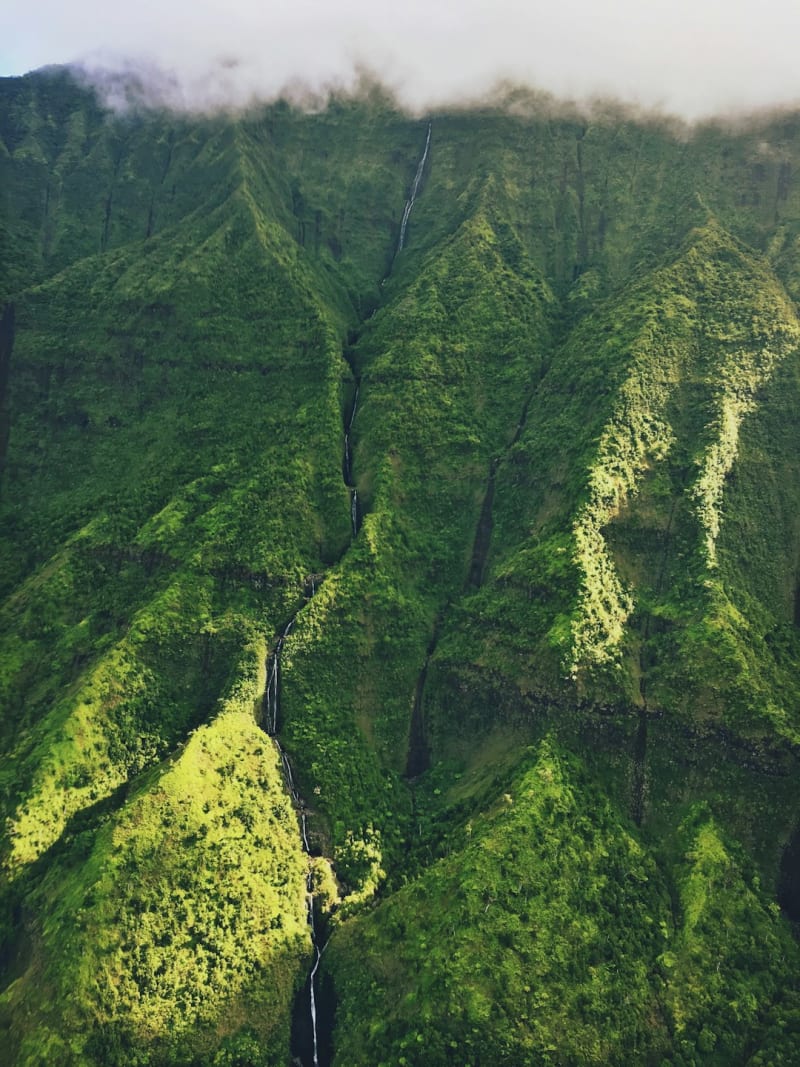 hawaii
 Akaka Falls
A 135-meter waterfall reached by an easy loop trail through bamboo and wild orchids on the Big Island's lush Hamakua Coast.
Explore hawaii
 Allerton Garden
A hidden botanical garden in a South Shore valley, built by an eccentric heir and later a Jurassic Park filming location, reachable only by guided tour.
Explore