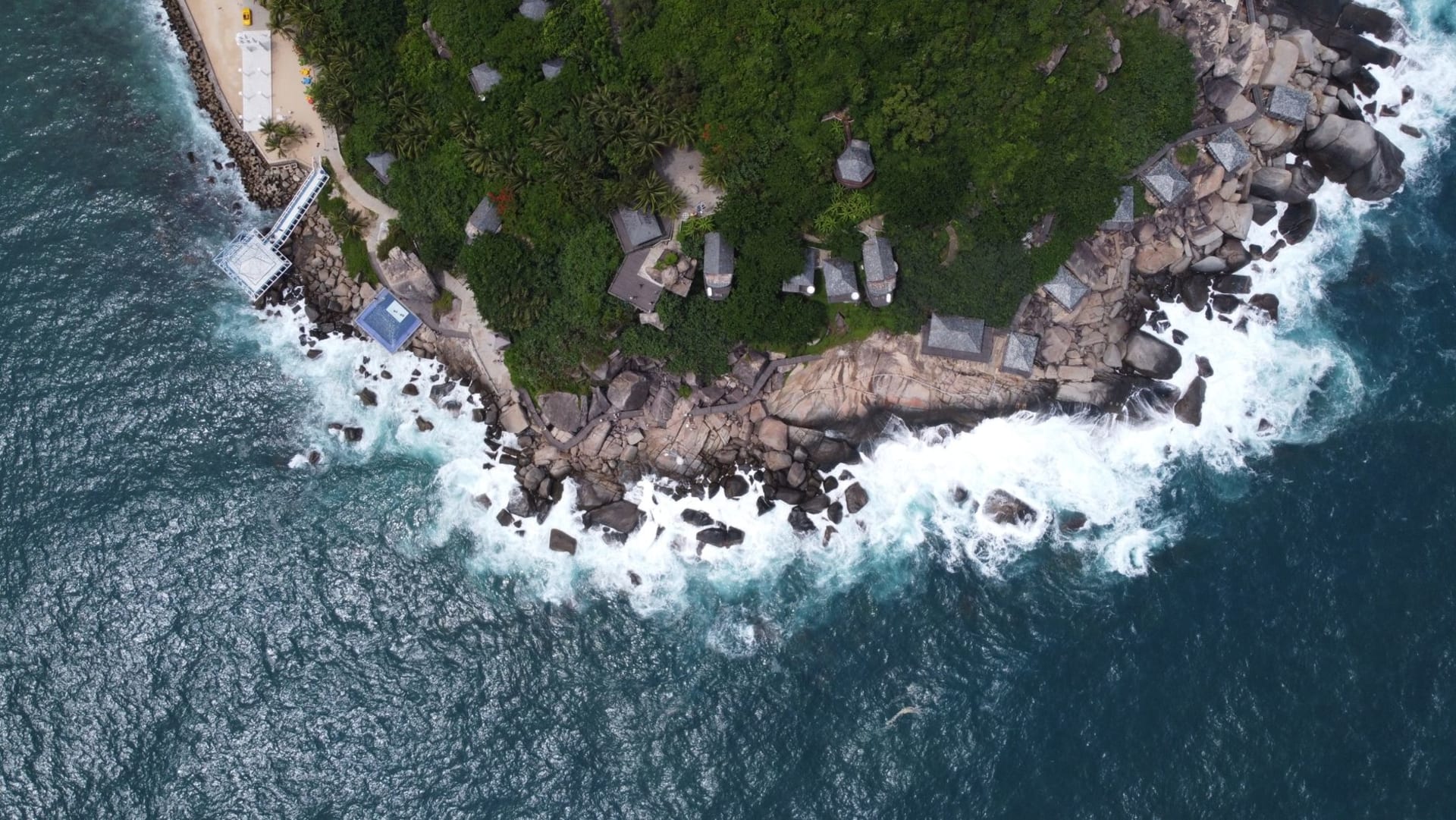
Wuzhishan
"Up here the air smells of rain and pine resin and something slightly wild — nothing like the coast two hours below."
The temperature dropped six degrees in the last forty kilometres of the drive up from the coast and I felt myself physically relax in a way I had not since arriving on the island. Hainan in July is brutal at sea level — the kind of heat that makes you reconsider every choice that brought you there. The highlands are different. Wuzhishan city sits at the foot of the range that forms the island’s mountainous interior, and the air there carries something that the coast lacks entirely: the smell of damp earth, of forest, of elevation. I breathed it in at the bus station and immediately wanted to stay longer than I had planned.

The Li people have lived in these highlands for longer than historical records on the island extend, and what survives of their traditional culture is most visible here in the interior. I visited a village two hours by motorcycle taxi from the city — the driver, a Li man named something I could not pronounce and settled on calling A-Ping in my notebook, pointed out the boat-shaped thatched houses as we passed, the distinctive curved roofline that is said to represent an upturned canoe. The women I saw weaving in the courtyard were working on a double-helix brocade pattern in cotton dyed with plants from the forest, a technique that UNESCO designated as intangible cultural heritage, and which I watched for longer than I intended because the rhythm of the loom and the precision of the hands made the complexity of the pattern feel almost inevitable.
The mountain itself — Wuzhishan, Five Finger Mountain, named for the five peaks that rise together like a hand — is a genuine hiking destination for those willing to work for it. The trails begin before the heat arrives and require a guide for the upper sections; the forest closes in quickly and the paths branch without clear markings. What you get for the effort is a cloud forest that feels nothing like what the tourist brochures suggest about tropical islands: mossy, cool, slightly otherworldly, with birdsong so layered and constant that it starts to feel like ambient noise rather than individual calls. The rivers run clear down from the peaks and the locals swim in them in the heat of the afternoon.
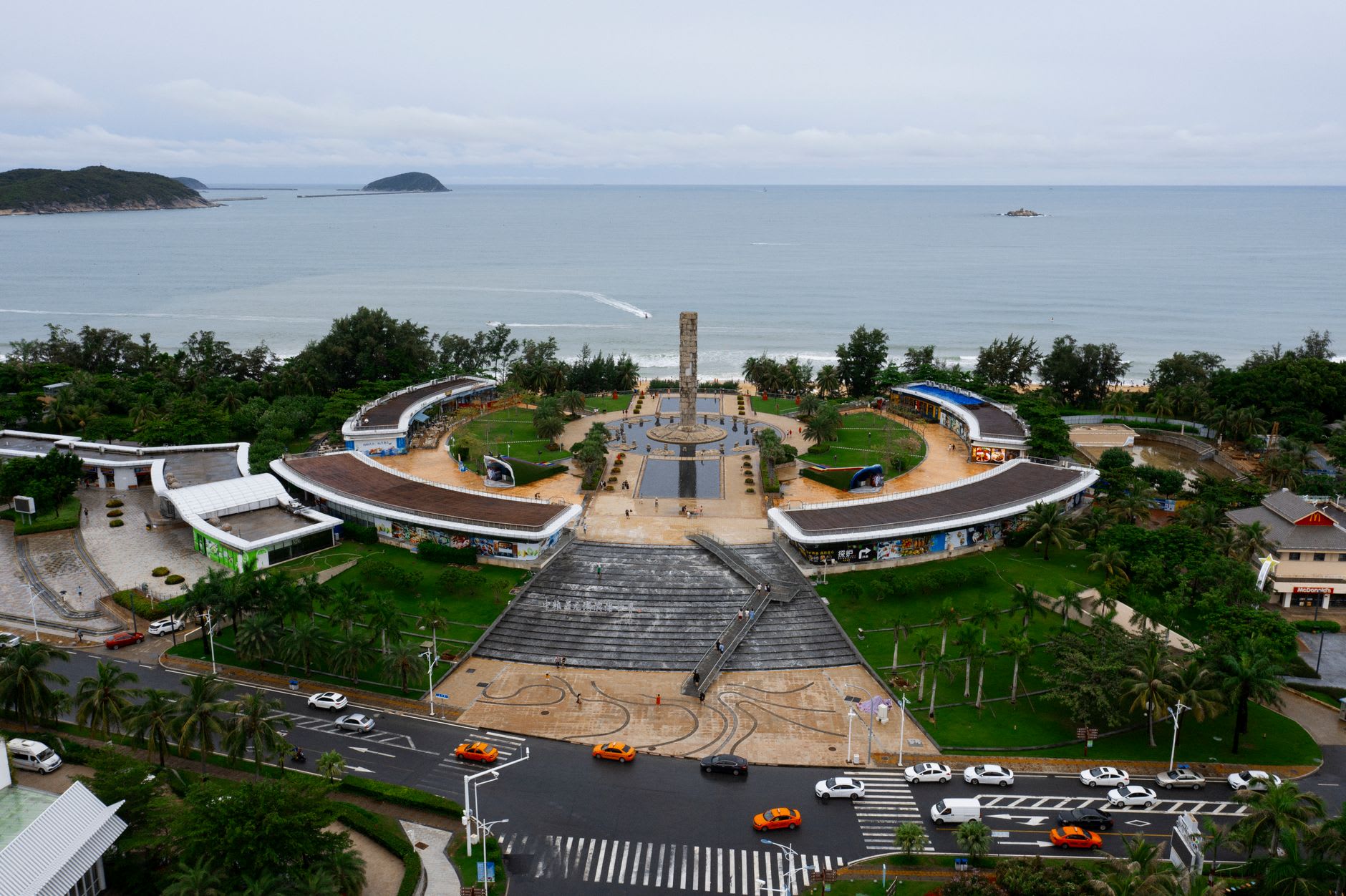
Wuzhishan city itself is modest and unhurried — a small provincial centre with a market, a few Li cultural museums of varying quality, and restaurants serving food that incorporates highland ingredients you will not find on the coast: bitter mountain greens, a fermented bamboo shoot that arrives as a condiment without being requested, river fish grilled over charcoal and served whole. I ate one evening at a place that appeared to have no name, in a courtyard where the proprietor grew herbs in pots and cut them fresh when you ordered. The food was the kind of cooking that does not need to announce itself.
When to go: The highlands are worth visiting any time of year, but they earn their reputation most fully between June and September, when the coastal heat becomes genuinely difficult and the mountain air turns Wuzhishan into Hainan’s most appealing address. November through February is cooler still — bring a layer for the evenings.