Panajachel
"Panajachel is where you arrive, buy a poncho you don't need, and figure out where you're actually going."
The lake's noisy, necessary front door — a strip of tourist shops and travel agencies that locals call Gringotenango, and the launch point for everywhere else on Atitlán.
I got off the chicken bus from Antigua with a backpack, a headache, and zero plan, and Panajachel absorbed me the way it absorbs everyone — instantly, loudly, with a woman shoving woven bracelets at my wrist before I’d even found the lake. Locals call it Gringotenango, half affectionate and half eye-roll, and within twenty minutes I understood exactly why. Calle Santander runs straight down to the water, both sides packed with stalls selling the same textiles, the same jade, the same “best price for you my friend,” and somehow it works. This is not the authentic Guatemala the guidebooks promise elsewhere on the lake. It’s the decompression chamber before you get there.
The gateway, not the destination
What Panajachel does better than any other town on Atitlán is logistics, and after a few days at the lake you start to appreciate that. There’s a real ATM here, a supermarket that sells more than crackers and warm beer, pharmacies that aren’t a hopeful guess. I ended up basing myself in a guesthouse two blocks off Santander for four nights, using it purely as a hub — lanchas leave from the main dock constantly, and for a few quetzales you’re in San Pedro or Santiago or San Marcos in twenty minutes. I met a Dutch couple on my second morning who’d been doing exactly that for a week: sleep in Pana, day-trip everywhere else. It’s not romantic. It’s practical, and Atitlán rewards practical.
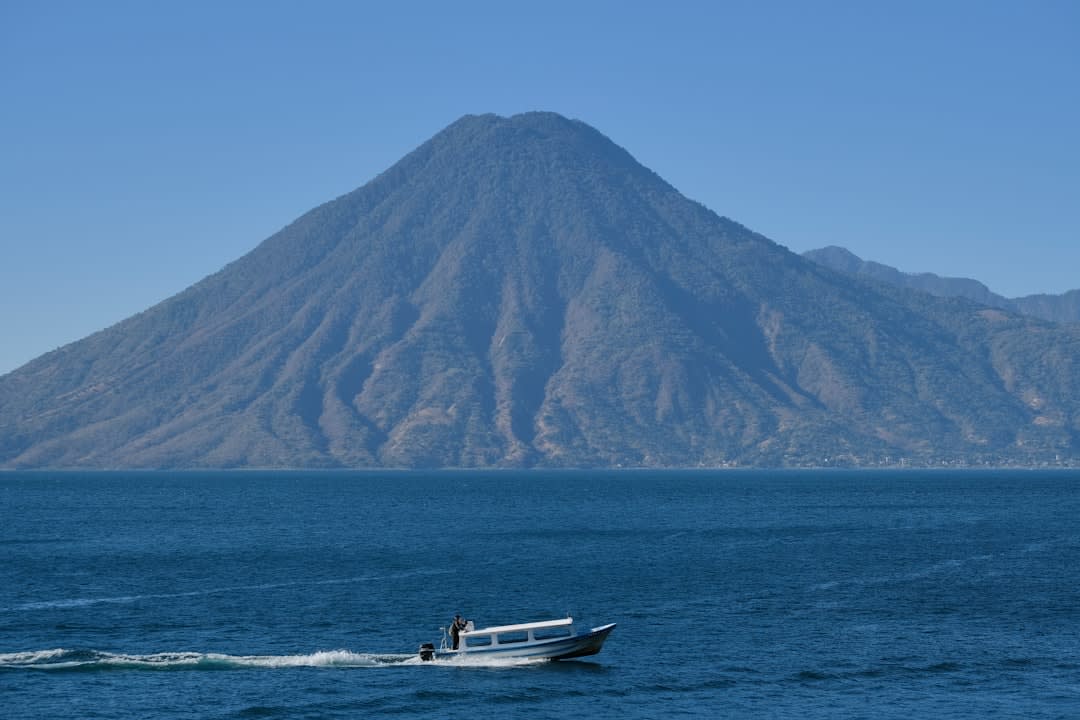
The market strip itself deserves an honest hour, not contempt. I found a weaver near the bottom of Santander, an older Kaqchikel woman who’d relocated from Sololá decades ago, and she talked me through the difference between a huipil woven for everyday wear and one kept for fiestas while her granddaughter did homework at the next stall. That conversation cost me nothing and taught me more than the souvenir stand next door ever could. You just have to look past the friendship bracelets to find it.
Sunset over the volcanoes, minus the crowd management
My favorite ritual became walking to the public beach at the end of Calle del Embarcadero right before sunset, buying a beer from a cooler someone was running as an informal business, and watching Tolimán and Atitlán volcano turn from green to violet to black silhouette. It’s touristy — there were selfie sticks, there was a man playing marimba for tips — but it’s also genuinely beautiful, and nobody there was pretending otherwise. Pana doesn’t perform authenticity. It just gets you fed, banked, and onto the next boat.
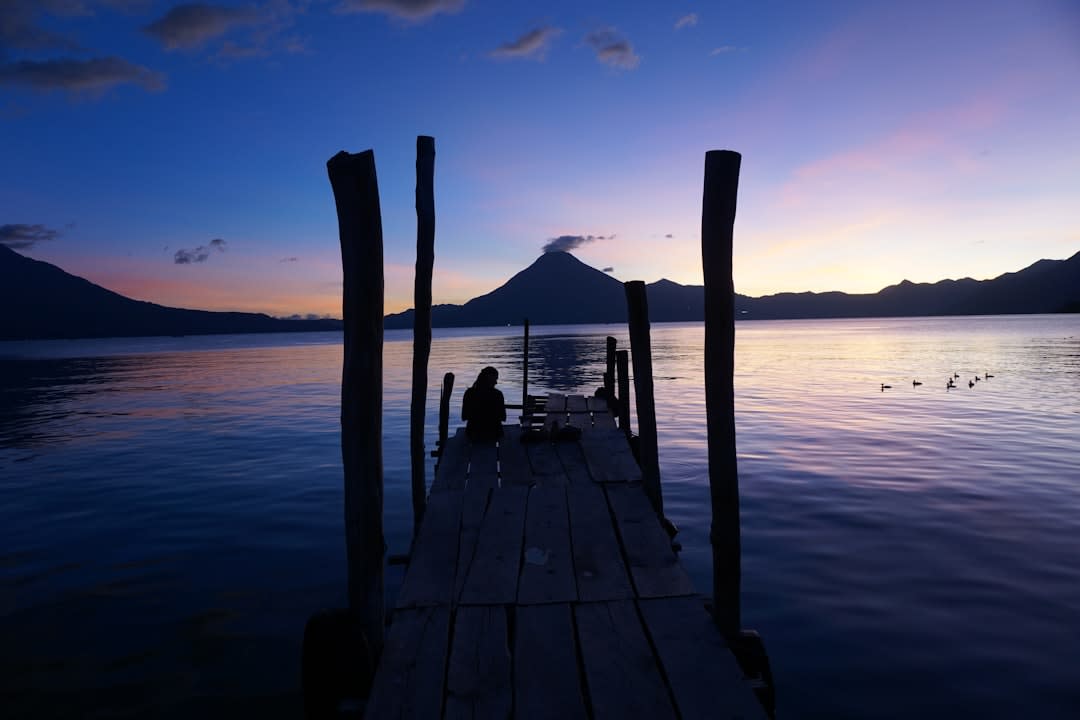
When to go: November through April, dry season, when the lanchas run predictably and the Xocomil wind hasn’t yet churned the afternoon water into something unpleasant to cross. Arrive in the morning if you’re connecting onward — boats thin out after 4pm.
Keep exploring
More from Guatemala
 guatemala
 Pastores
A small town outside Antigua where the smell of tanned leather and the rasp of sewing machines announce Guatemala's cowboy-boot capital.
Explore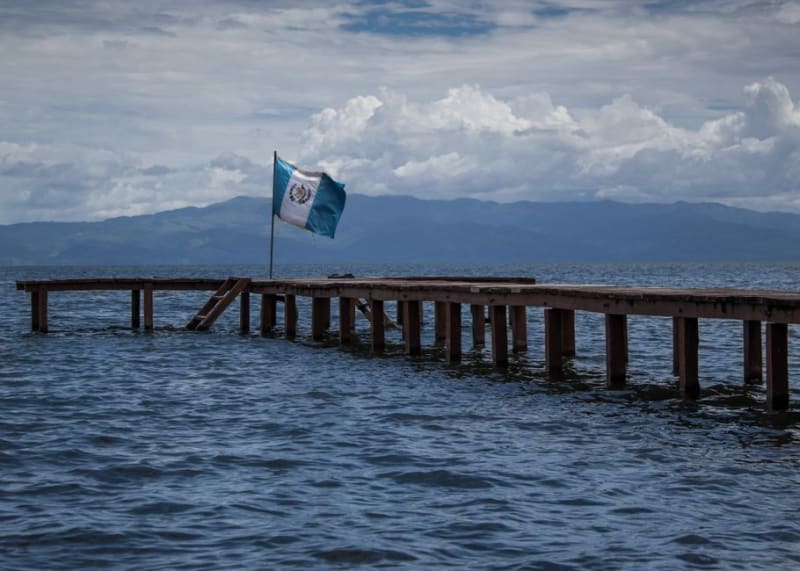 guatemala
 Puerto Barrios
A sun-bleached Caribbean port town built by banana companies a century ago, now a laid-back gateway to Livingston with nowhere to rush.
Explore guatemala
 Quetzaltenango
Guatemala's highland second city — called Xela by everyone who lives there — where the Spanish schools are serious and the volcanic hot springs cure everything.
Explore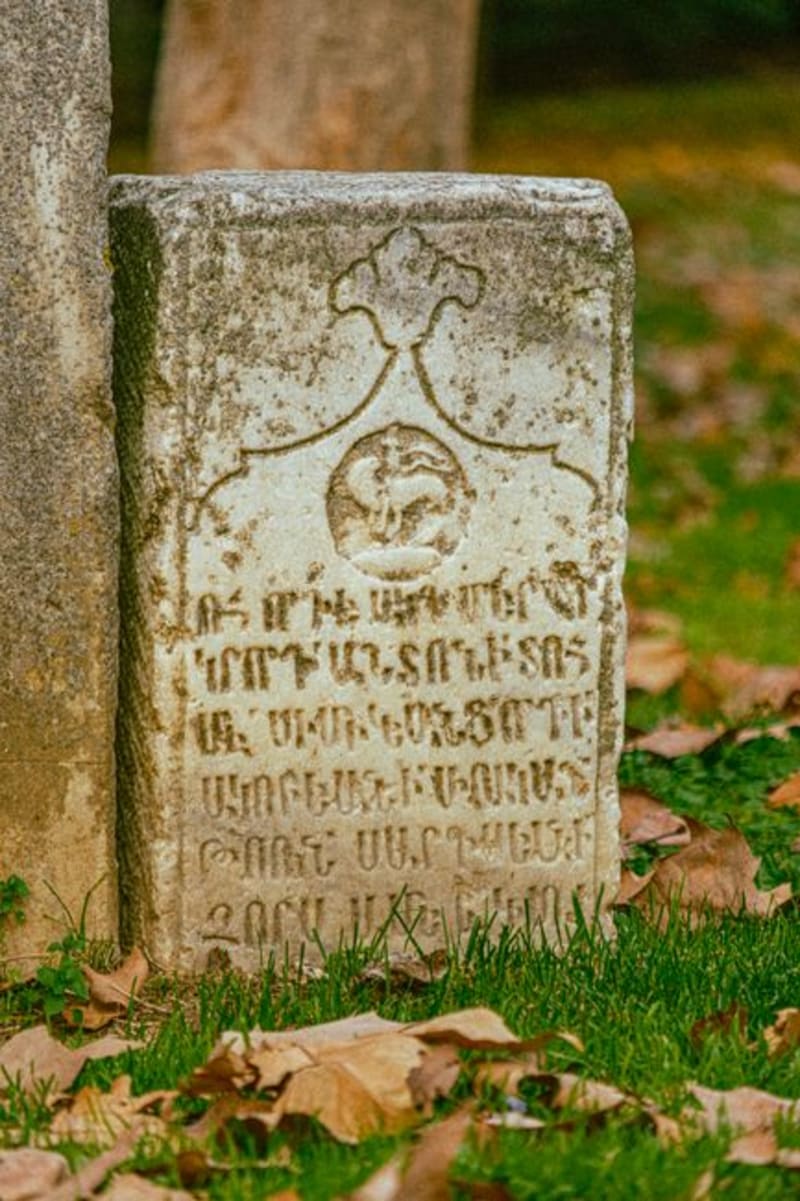 guatemala
 Quiriguá
A UNESCO Maya site hidden inside a working banana plantation, home to the tallest carved stelae in the Maya world and a collection of strange zoomorphic boulders.
Explore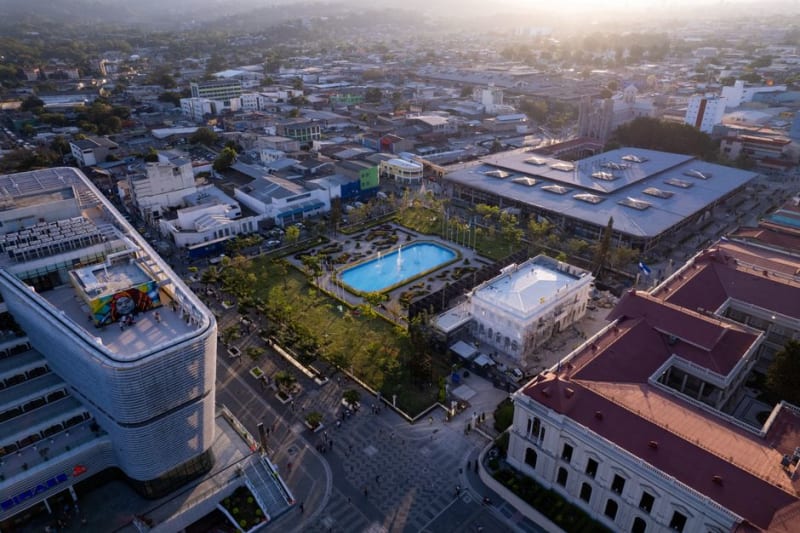 guatemala
 Retalhuleu
A Pacific lowland city known to everyone as 'Reu,' surrounded by cattle ranches and coffee fincas, home to Guatemala's biggest theme and water parks.
Explore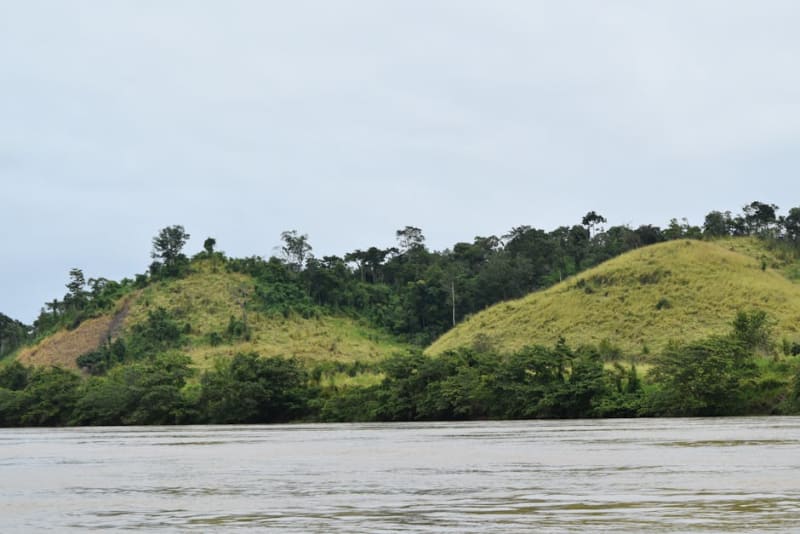 guatemala
 Río Dulce
A jungle-walled river canyon connecting Lake Izabal to the Caribbean, with hot springs, manatees, and a seventeenth-century Spanish fortress.
Explore