Ciudad Vieja
"Ciudad Vieja is a capital city that lost the job in a single night in 1541, and it has never quite stopped being modest about it."
Guatemala's forgotten second capital, buried by a volcanic mudslide in 1541 and rebuilt in miniature at the foot of the mountain that destroyed it.
Standing in the plaza of Ciudad Vieja, Volcán de Agua fills an improbable amount of the sky — closer and steeper-looking than it appears from Antigua, its green flank rising almost directly behind the church roofline. It’s an unsettling thing to notice once you know the history, because that same mountain is the reason this town exists in its current, much-diminished form at all. Ciudad Vieja was Guatemala’s second colonial capital, seat of the Spanish crown in Central America, until a catastrophic mudslide and flood poured off Volcán de Agua on the night of September 10, 1541, killing the governor’s widow along with dozens of others and burying much of the city.
Walking Where the Water Came Through
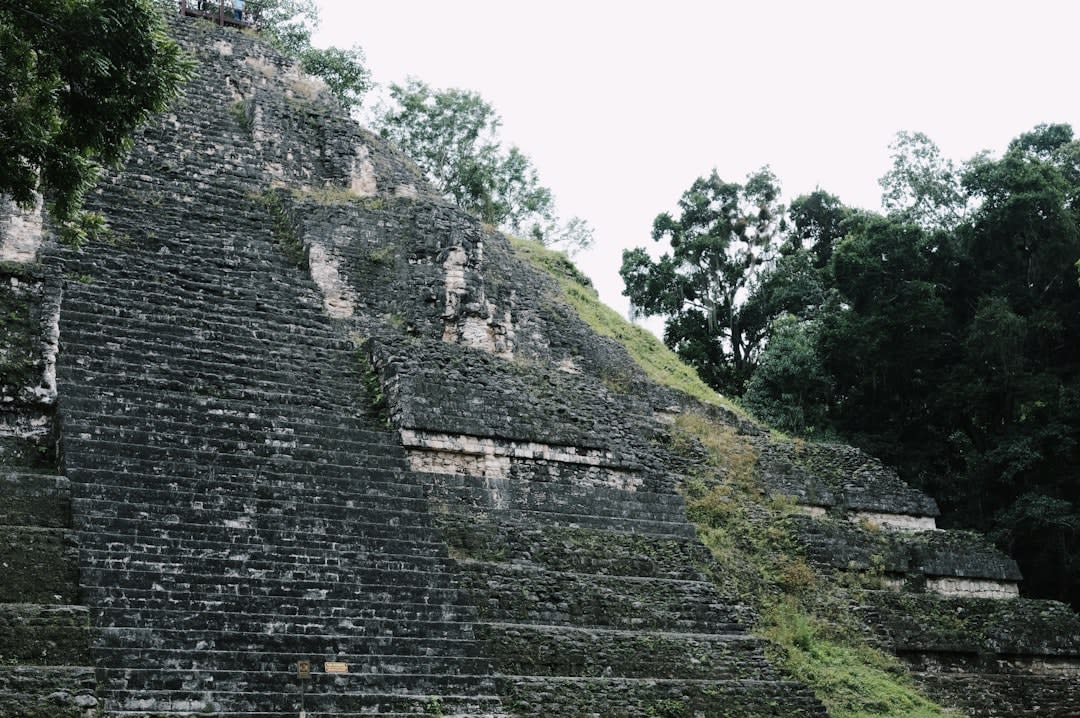
A caretaker at the church, which sits more or less on the old capital’s original footprint, walked me through the story with a patience that suggested he’d told it many times but never gotten tired of it. The flood, most historians now believe, wasn’t lava at all but a lahar — a slurry of rain, ash, and loosened volcanic debris that liquefied and rushed down the mountainside after days of heavy storms, the same mechanism that has since destroyed towns near other Central American volcanoes. He pointed out where the old cathedral’s foundations are thought to lie, now beneath a modest, much smaller colonial church rebuilt after the capital moved to what’s now Antigua.
A Quiet Working Town Today
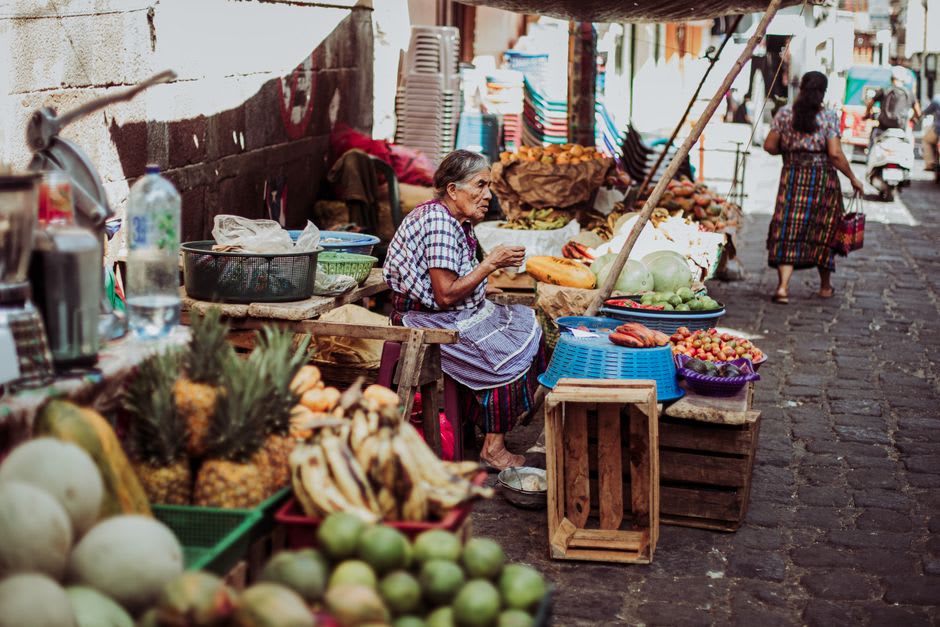
Outside the church, Ciudad Vieja today is unglamorous in the best way — a real working town of mechanics’ shops, tortillerias, and kids kicking a soccer ball against a wall painted with a fading mural of the Virgin. I bought a bag of jocotes from a woman selling fruit at a folding table near the plaza, and she laughed when I asked whether people here worried about the volcano; she said everyone in the valley grows up with Volcán de Agua looking exactly like this, and worrying about a five-hundred-year-old disaster wouldn’t get the tortillas made any faster.
It’s a fifteen-minute drive from Antigua and takes maybe an hour to see properly, but it recalibrated how I thought about that whole valley — Antigua as the glamorous survivor, Ciudad Vieja as the quieter town that absorbed the disaster and simply kept going.
When to go: Visit in the dry season, November to April, when Volcán de Agua’s summit is usually free of cloud and the historical context of the 1541 disaster is easiest to visualize against a clear sky.
Keep exploring
More from Guatemala
 guatemala
 Cobán
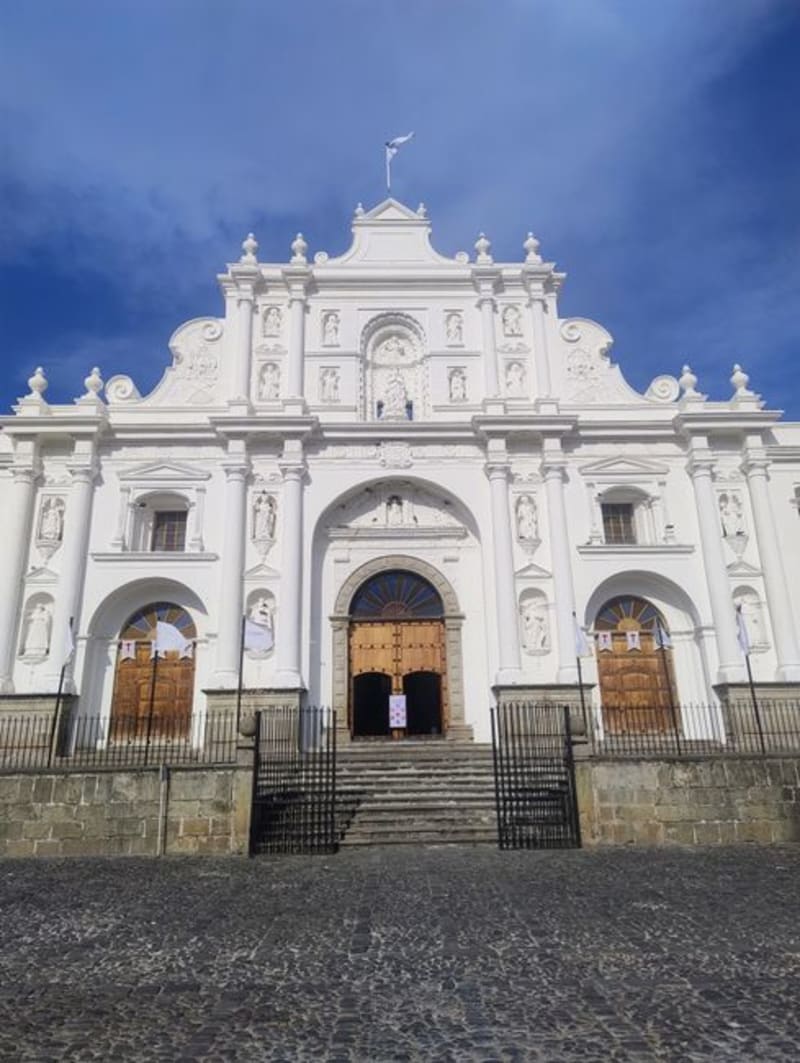
A cool, misty highland capital where cardamom perfumes the market air and Q'eqchi' culture crowns its queen of beauty every August.
Explore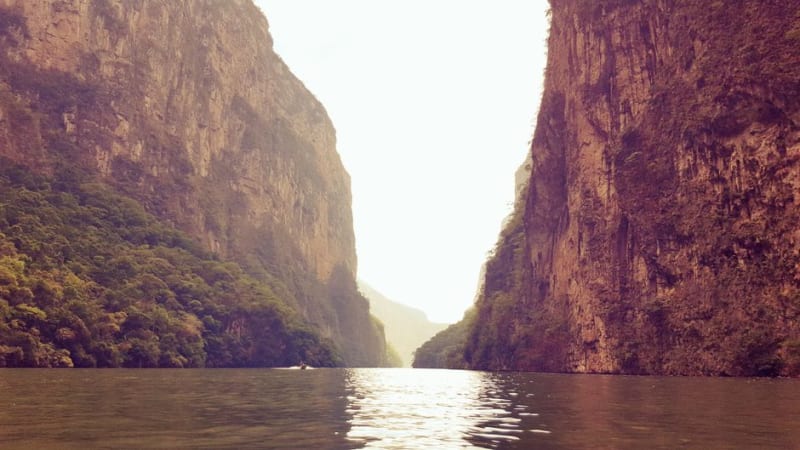 guatemala
 El Boquerón Canyon
A limestone river canyon near Río Dulce you can only see from a paddle, walls rising so sheer that the sky becomes a thin blue ribbon overhead.
Explore guatemala
 El Mirador
A pre-classic Maya megacity swallowed by the deepest jungle in Petén, reachable only by a five-day mule trek or a helicopter, crowned by one of the largest pyramids ever built.
Explore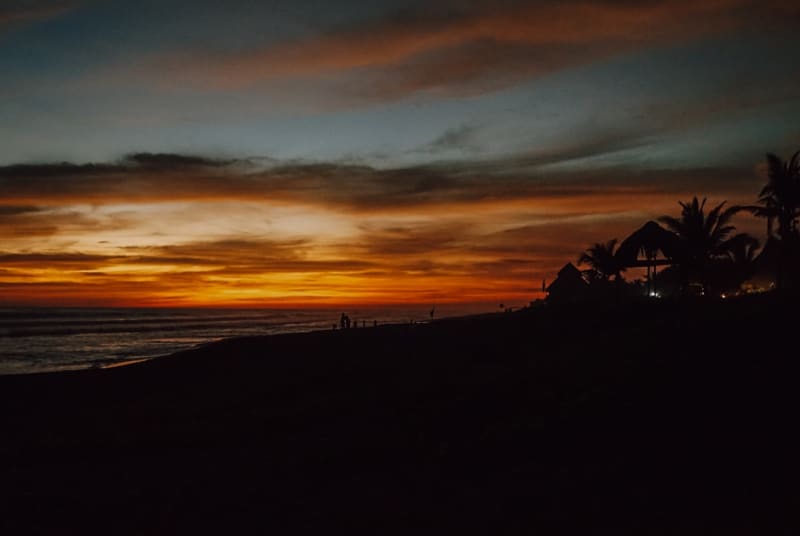 guatemala
 El Paredón
A black-sand surf village on Guatemala's Pacific coast, wedged between a mangrove estuary and an ocean that hasn't finished being discovered.
Explore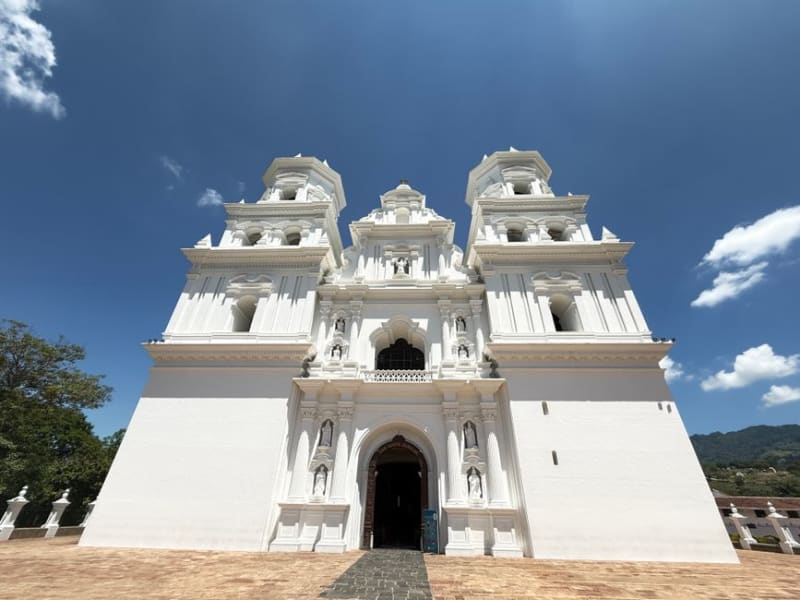 guatemala
 Esquipulas
Central America's holiest pilgrimage town, where a colonial basilica shelters the venerated Black Christ and pilgrims arrive on foot from three countries.
Explore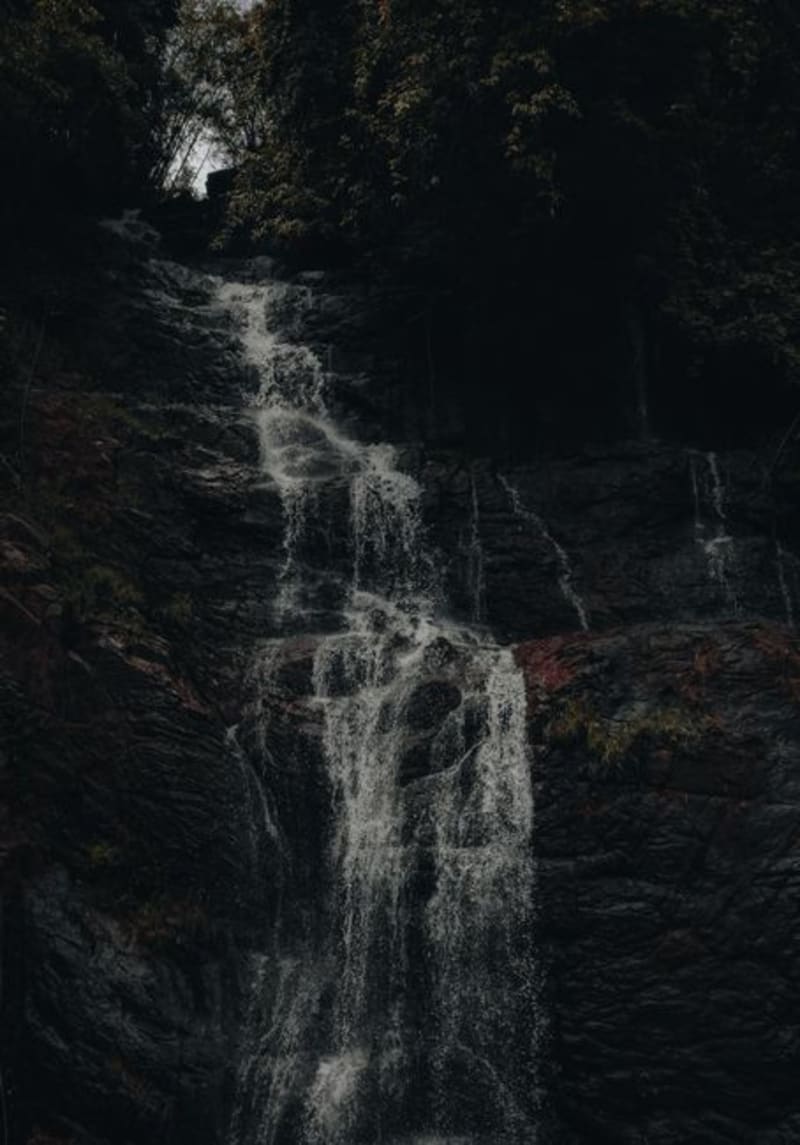 guatemala
 Finca El Paraíso
A scalding waterfall that drops straight into a cold jungle river, so you can stand with one shoulder boiled and the other frozen.
Explore