Lake Naivasha
"The hippos started at dusk — a sound like furniture being moved by someone very large and very unconcerned."
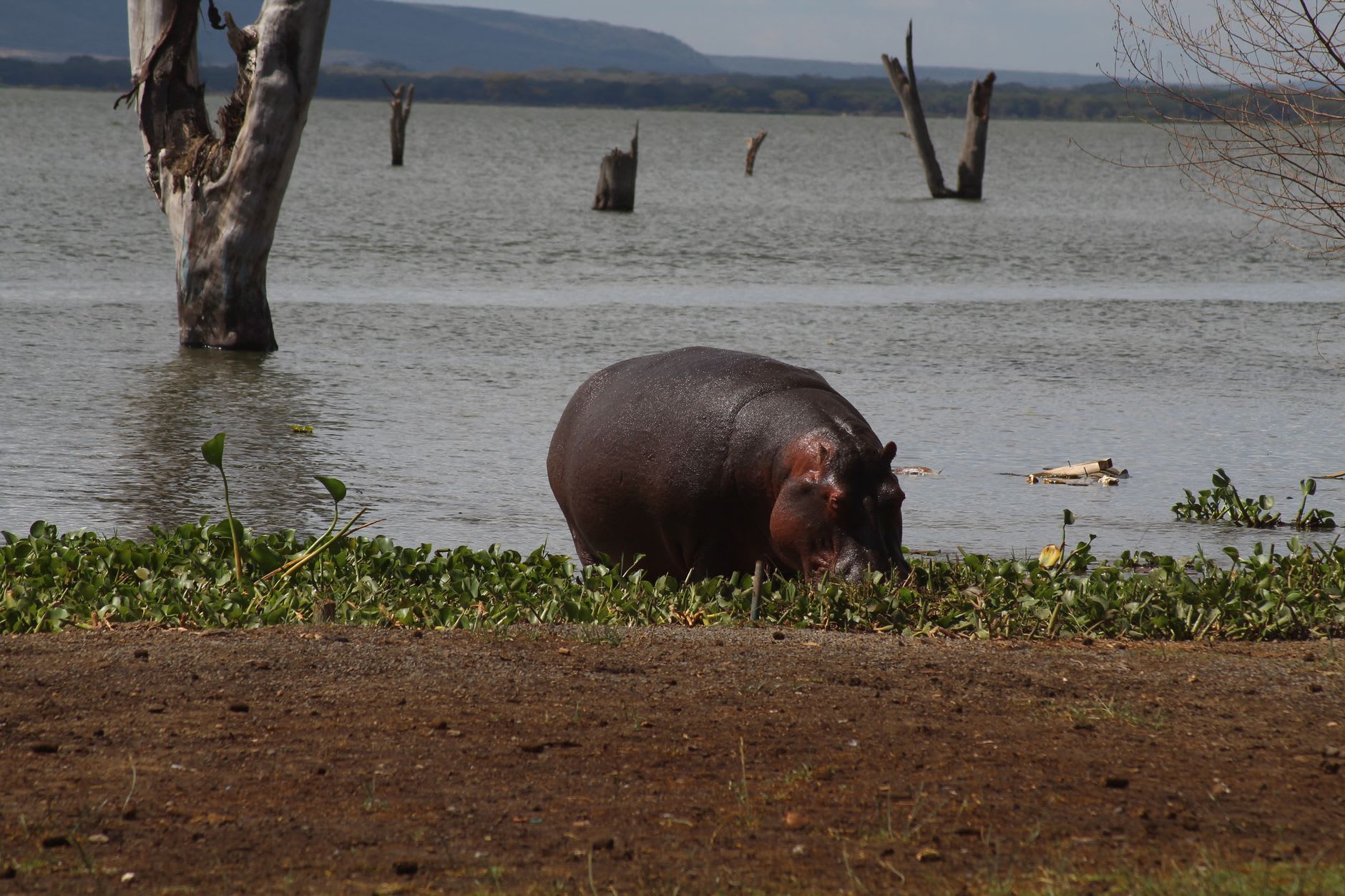
I heard the hippos before I saw the lake. I was sitting on the veranda of a guesthouse on the southern shore when dusk arrived and the first grunt came rolling out of the reeds — a deep, resonant sound that travels through your chest before it reaches your ears. Then another. Then a chorus. By dark there were eight of them in the shallows twenty meters from where I was eating dinner, great grey heads rising and sinking in the papyrus, exhaling with the loud satisfaction of animals that have never needed to hurry.
Lake Naivasha is the anomaly of the Kenyan Rift Valley. While its neighbors — Nakuru, Bogoria, Elementaita, Magadi — are all alkaline to the point of hostility, Naivasha is fresh. The difference in chemistry means the difference between a lake fringed with flamingos and one fringed with papyrus, fever trees, and colobus monkeys. It means hippos, which require fresh water, and fish, which sustain a colony of African fish eagles whose cry — that falling, piercing call that sounds like a human trying to imitate wilderness — rings out across the water every few minutes throughout the day.
The fever trees are the thing that stay with me most. Acacia xanthophloea — the yellow-bark acacia — grows in dense stands along the lakeshore and through Crescent Island at the water’s center, their bark a pale lime-yellow that catches the morning light and holds it. Early European settlers blamed these trees for malaria (hence the name), not yet understanding that they grew in exactly the places where mosquitoes also thrived. Walking among them before breakfast, when the light is still low and the lake mist hasn’t entirely lifted, I understood why they carry that name. There is something feverish about them. Something slightly hallucinatory.
I rented a bicycle from the guesthouse and cycled south into Hell’s Gate National Park, which is technically adjacent to the lake but feels like a different geological era — volcanic rock walls, hot springs, nothing soft about it. But the road between the two passes through rose farms, because Kenya is one of the world’s largest cut-flower exporters and the Naivasha basin is where most of those roses grow. The greenhouses run for kilometers, plastic and gleaming, full of flowers that will be in Amsterdam markets within forty-eight hours. It is a jarring juxtaposition, and it is also the economic reality that means the communities around the lake have fresh income and serious stakes in protecting the water quality.
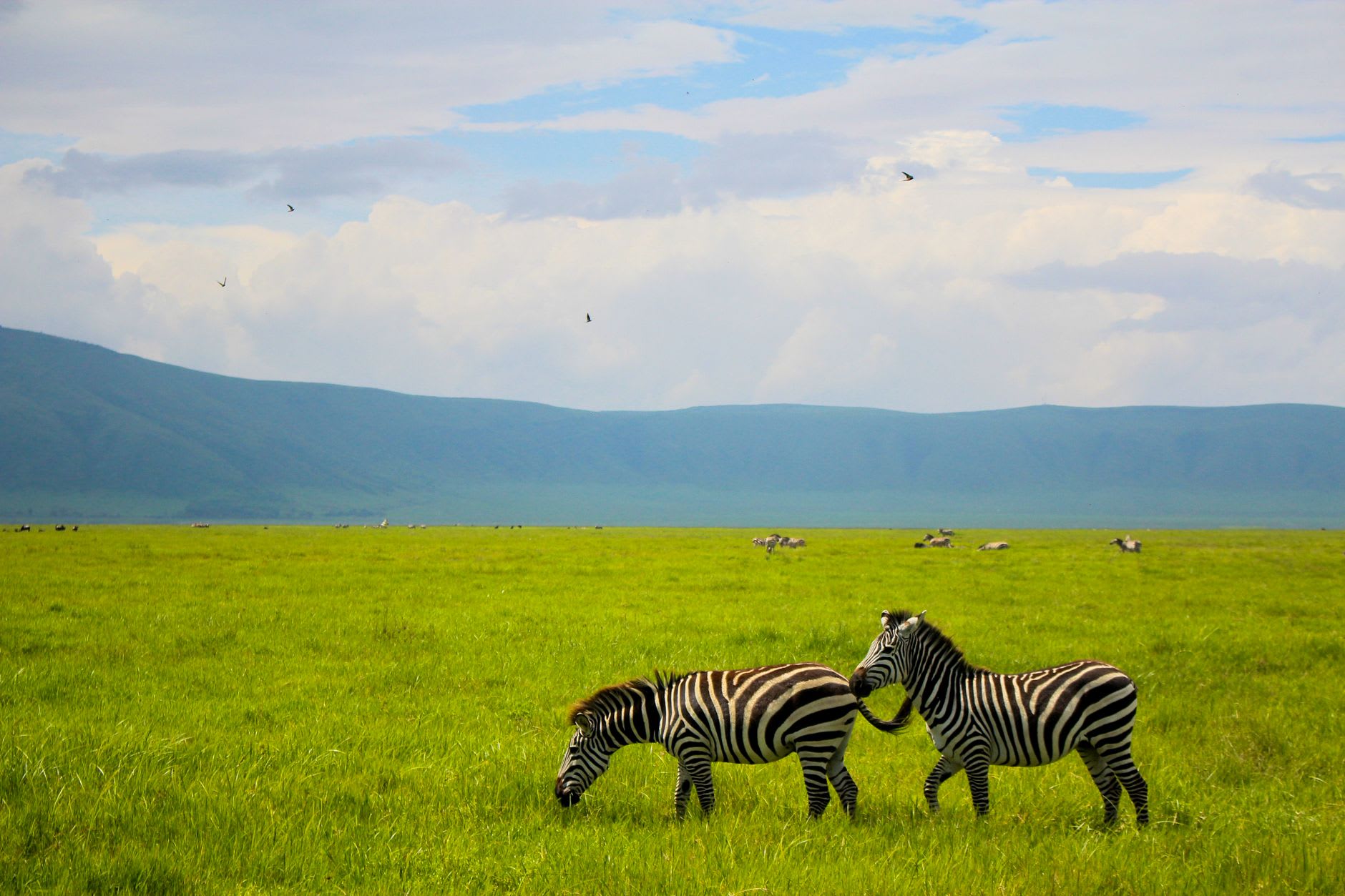
Crescent Island, reachable by boat from the main shore, is one of those strange places where you can walk on foot among zebras, giraffes, wildebeest, and gazelles with no fence and no vehicle between you and them. There are no predators on the island. This means the prey animals have essentially forgotten to be afraid, and you can find yourself standing three meters from a giraffe who looks at you with an expression that suggests the encounter is more interesting to you than to it.
When to go: Naivasha is pleasant year-round, but July through September offers the best birding and clearest skies. February and March are warm and dry. The hippos are there every night regardless of season — they never leave.