
Sweden's largest Iron Age hill fort, its rampart walls swallowed by forest, still holding the quiet of a refuge nobody had to use for long.
Lia found Torsburgen on a map before I’d ever heard the name, a strange dark smudge in the forests of eastern Gotland that didn’t look like anything else nearby. When we actually got there, on foot from a gravel pull-off with no sign to speak of, I understood why the map couldn’t quite capture it. This isn’t a fort in the way I’d pictured one — no towers, no gate you can point a camera at. It’s a wall over a kilometer square, built and rebuilt between the 3rd and 6th centuries, that just keeps going through the trees until you lose track of where you started.
We climbed up onto the rampart itself in a few places, where the limestone still stacks over 7 meters high even after fifteen centuries of moss and roots working it apart. I kept trying to picture the labor of it — not a garrison building a wall to live behind, but apparently something closer to an entire population’s insurance policy, a place big enough to shelter most of Gotland if things went bad enough. Archaeologists have found almost nothing inside, which somehow made it more affecting to stand there, not less. A shelter that worked precisely because it was rarely needed.
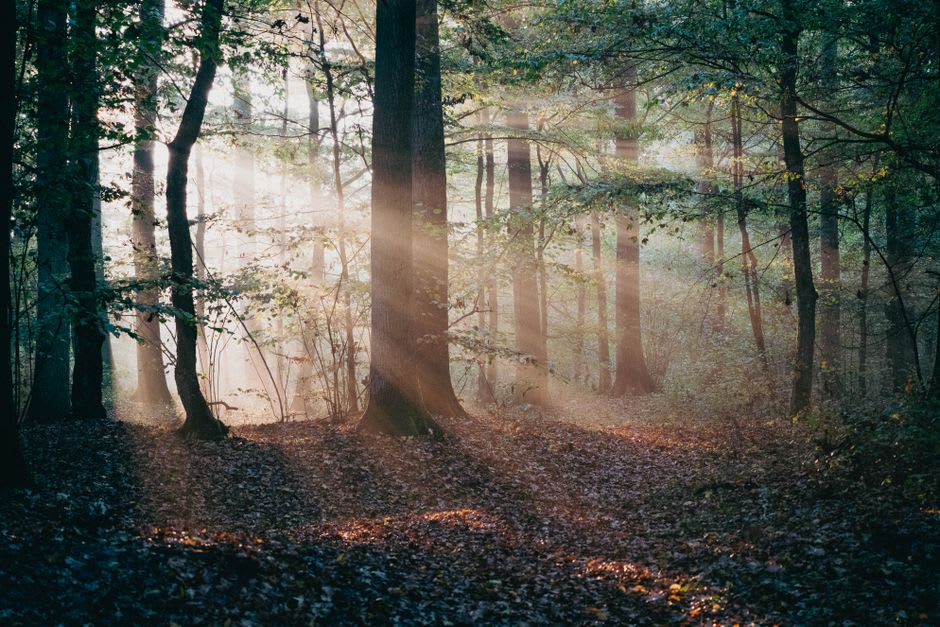
We lost the trail twice, which I think is just part of visiting Torsburgen — the wall disappears under a century of pine needles and reappears twenty meters later like it’s testing whether you’re paying attention. Lia was better at spotting it than I was, calling out the long shallow ridge in the ground before I’d even register it as anything other than forest floor. At one point we sat on a limestone block that had clearly been part of the original construction and ate the sandwiches we’d packed in Ljugarn that morning, not talking much, just listening to how quiet 1.1 square kilometers of empty fort can be.
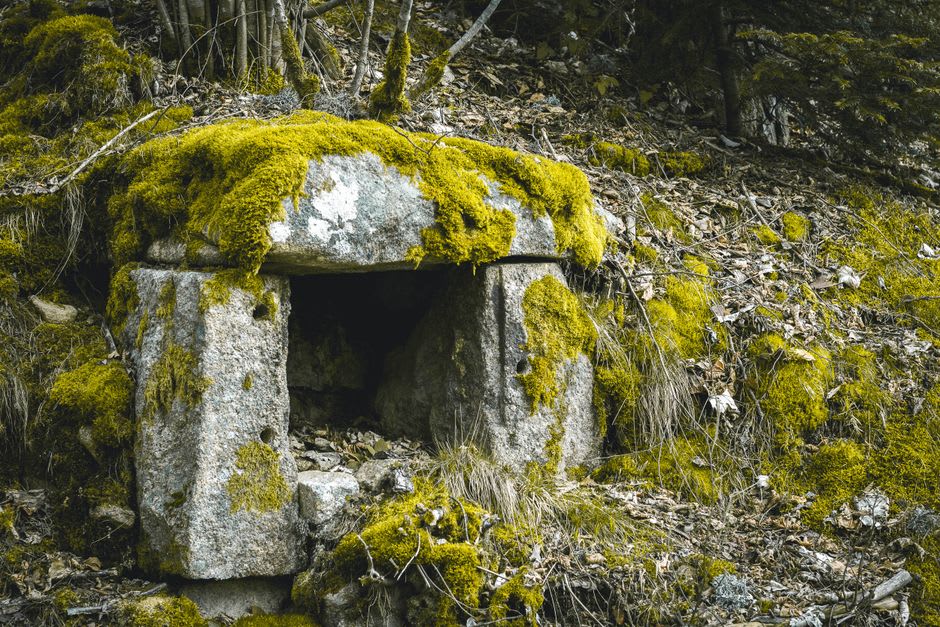
What stayed with me driving back wasn’t the scale, though the scale is real — it’s that Torsburgen was built to be used only occasionally, by people who mostly hoped they’d never need it. There’s something almost tender about a monument to a worst case that, as far as the evidence shows, rarely came.
When to go: Summer is really the only sensible window — the forest trails around the ramparts are overgrown enough that you want dry ground and long daylight to actually trace the wall on foot.