Trafalgar Cemetery
"I went looking for Trafalgar and found yellow fever instead — which, it turns out, is the more honest story."
A walled pocket of shade near Southport Gates where Nelson-era headstones outlast the empire that carved them.
We almost walked past it. Lia and I had just come through Southport Gates, still blinking from the glare of Main Street, when this small walled garden appeared on our left — quiet, green, and completely empty except for us and a groundskeeper trimming something near the far wall. I’d read that Trafalgar Cemetery held sailors from Nelson’s fleet, so I went in expecting a monument to one battle. What I found was something slower and stranger: rows of headstones, most of them worn nearly smooth, recording ranks and ship names from a dozen different naval actions, and — more than anything else — a garrison town’s long fight against yellow fever.
That was the detail that stuck with me. Only two of the men buried here actually died from wounds at Trafalgar in 1805. The rest succumbed to fever epidemics that swept through Gibraltar again and again in the years the cemetery was in use, from 1798 to 1814. I stood in front of one stone for a long time, doing the math on a name and two dates, and felt that particular quiet you get in old cemeteries — not sadness exactly, more like the ground insisting on the facts.
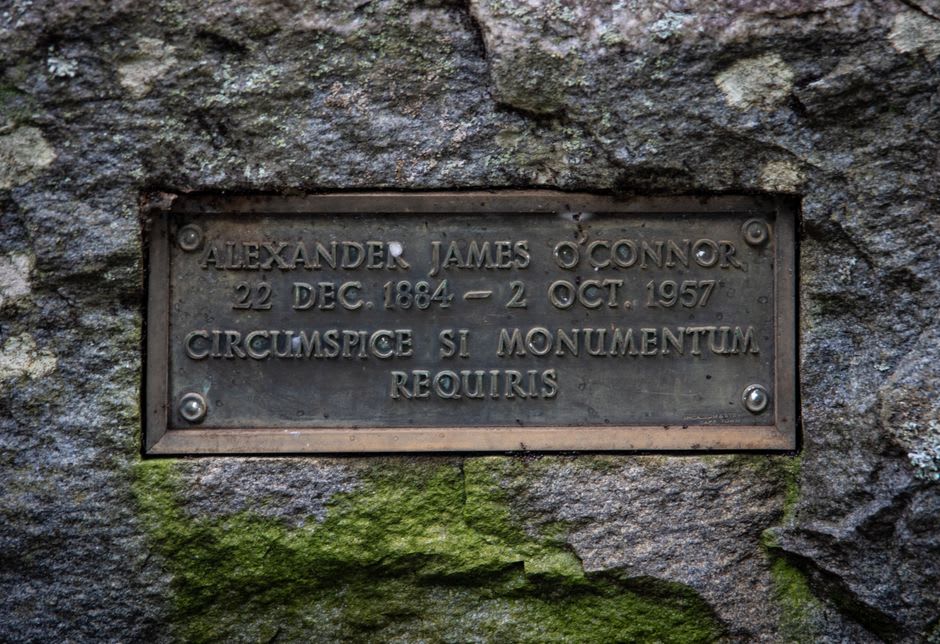
Lia found the shadier corner first and waved me over — there’s a bench there where you can sit and just look at the pattern of the walls against the old town rooftops behind them. It was a cooler morning, the kind Gibraltar doesn’t always give you, and for a good twenty minutes neither of us said much. The Gibraltar Heritage Trust clearly keeps the place up without over-restoring it; the grass is cut, the paths are clear, but the stones themselves are left to show their age, which felt right.
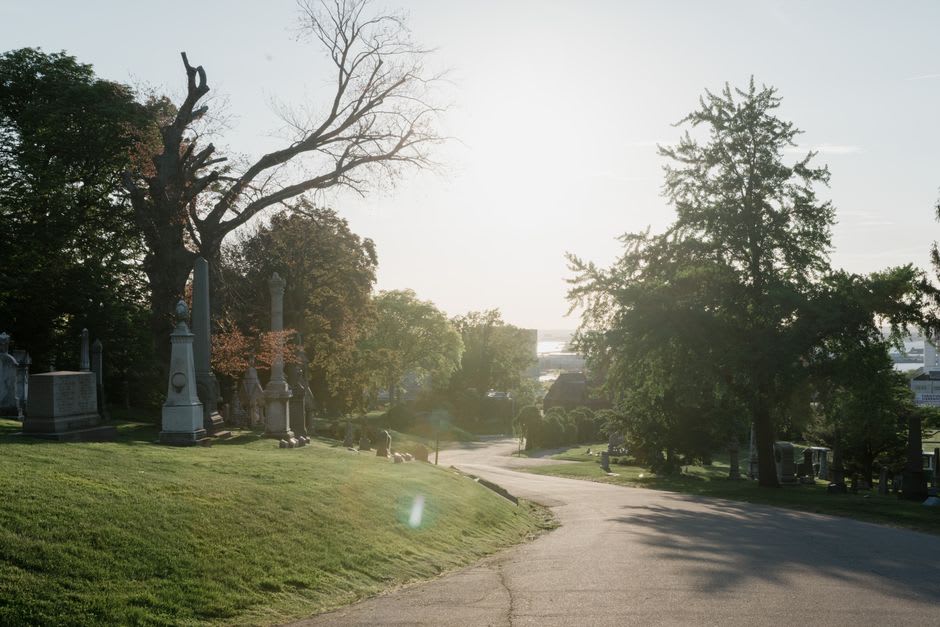
What I keep coming back to is how small the cemetery is — you could see every grave in under fifteen minutes — and how much it holds anyway. Ranks, ships, ages, causes of death, all cut into stone by men who had no idea their garrison town would still be standing two centuries later, let alone that two French-Mexican travelers would be reading their names on a Tuesday morning.
When to go: We’d pick a cool morning again, ideally early, when the old town is still half-asleep and the walled garden holds onto the night’s shade a little longer — any season works, but the heat of midday strips the place of its stillness.
Keep exploring
More from Gibraltar
 gibraltar
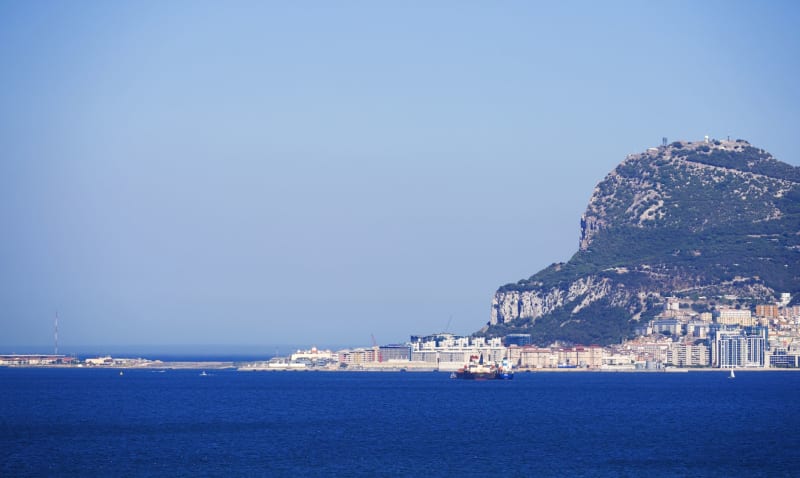
 Upper Rock Nature Reserve
A wild limestone plateau above the tourist fray where Barbary macaques rule and Africa appears close enough to touch.
Explore gibraltar
 Windsor Suspension Bridge
A 71-metre glass-floored footbridge swaying over a Upper Rock gorge, where macaques cross more confidently than tourists.
Explore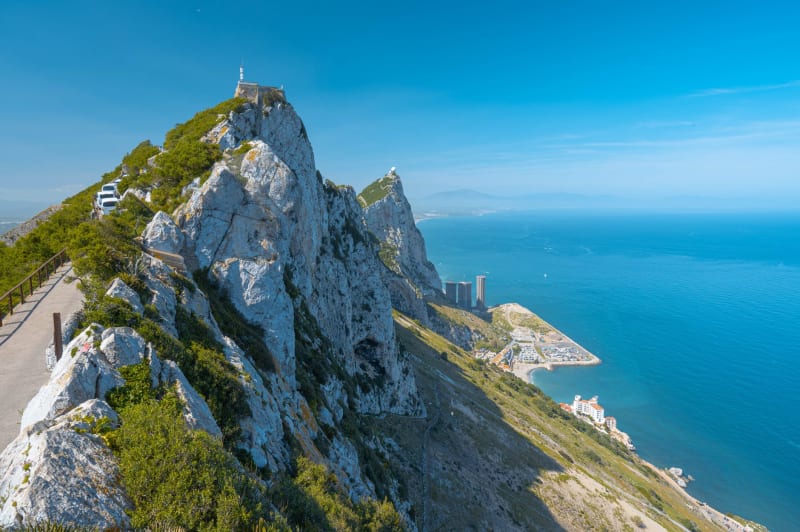 gibraltar
 Alameda Botanical Gardens
A Victorian-era hillside garden where Mediterranean plants grow in surprising density and Gibraltar's wildlife park shelters rare birds above the town noise.
Explore gibraltar
 Casemates Square
Gibraltar's main public square — a former site of executions turned open-air terrace where the whole territory comes to eat, argue, and watch the world.
Explore gibraltar
 Catalan Bay
A small fishing village tucked on Gibraltar's Mediterranean shore, sheltered by the Rock's eastern face and quietly living its own life.
Explore gibraltar
 Eastern Beach
Gibraltar's longest stretch of Mediterranean sand, backed by the Rock's sheer eastern face and carrying an atmosphere unlike any beach you've been to before.
Explore