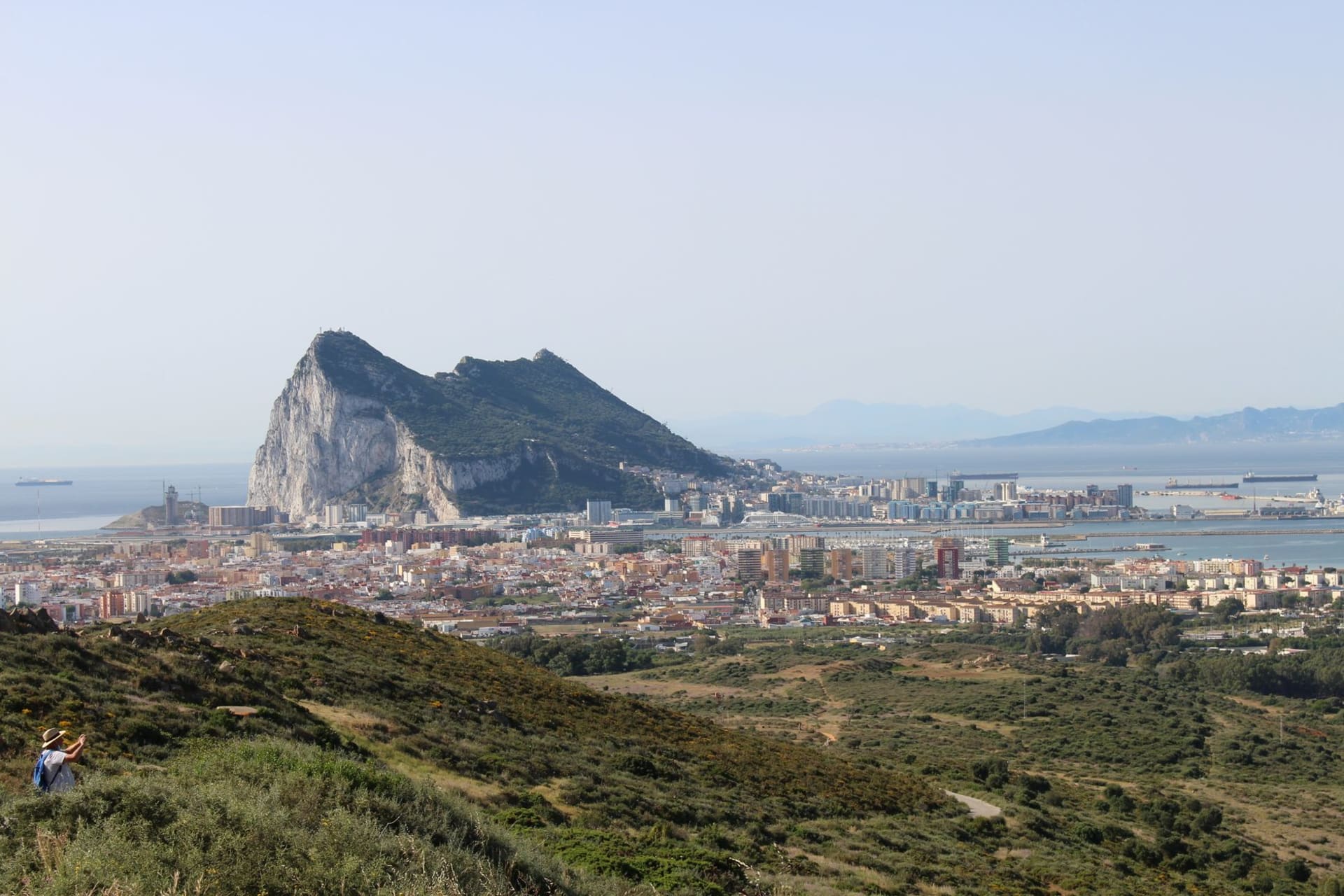
Moorish Castle
"Eight centuries of conquest compressed into one tower, and the tour buses drive straight past it."
Nobody talks about the Moorish Castle. I walked past it three times before I actually stopped, because the Tower of Homage rises above the rooftops in a way that seems so obviously ancient and significant that some part of my brain filed it as scenery rather than a place I could enter. When I finally climbed the steep alley to its gate on my second day in Gibraltar, I found it almost entirely empty — a handful of tourists, no queues, no audio guides thrust at me, just a medieval tower standing in the afternoon light holding its eight centuries of layered history without making a fuss about it.
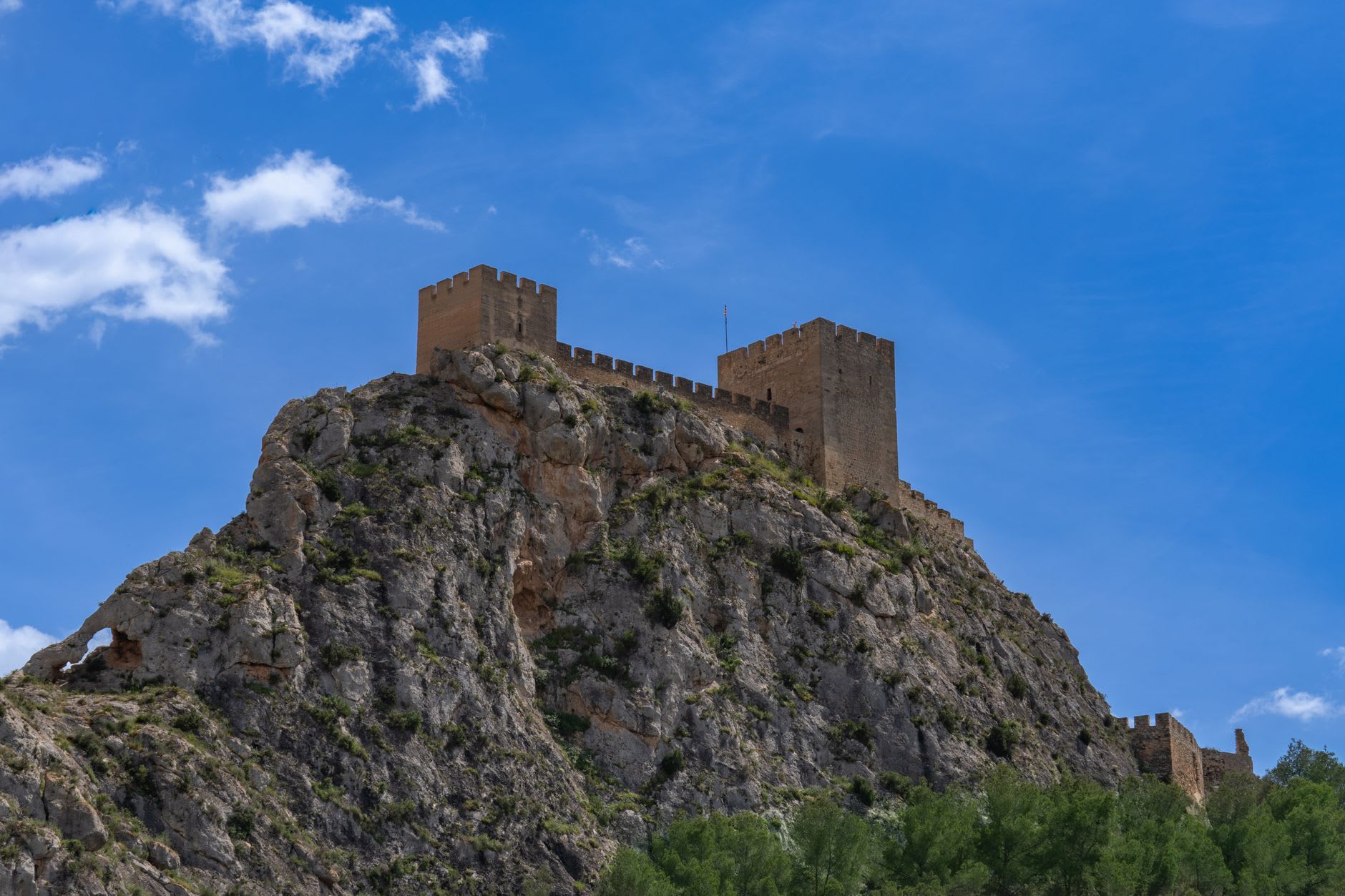
The castle was built by the Moorish rulers of Gibraltar in the fourteenth century, on foundations that go back to the eighth century when Tariq ibn Ziyad crossed the Strait and named this rock after himself — Jabal Tariq, the mountain of Tariq, which became Gibraltar through centuries of linguistic erosion. The Tower of Homage is the main surviving structure, a muscular keep of limestone and brick that was used as a prison by the British for much of the nineteenth century and still has that layered quality of a building repurposed many times by people who cared about utility rather than heritage. The walls bear the marks of cannon fire from various sieges. The views from the upper levels are extraordinary — the town below, the Strait ahead, the Rock face rising immediately behind.

What strikes me about the Moorish Castle is not any single architectural feature but the compression of history it represents. The Moors held Gibraltar for nearly seven hundred years — far longer than the British have held it. The traces of that occupation are scattered across the Rock, but the castle is the most concentrated expression of it, a physical argument against the simplification that reduces Gibraltar to a British enclave in Spain. It is also that. It is also a Moorish fortress, a Spanish stronghold, a Genoese trading post, and half a dozen other things that don’t fit neatly into the Union Jack souvenirs on Main Street. Standing on the ramparts, I thought about how many different people had looked out from this same spot at the same Strait and thought: this is worth fighting for.
When to go: The castle is best visited in the morning when the light falls directly on the Tower of Homage and the stone shows its true colour. Spring and autumn offer the clearest views from the ramparts. The site is never overwhelmingly crowded, but weekday mornings are the quietest — you may well have the upper levels to yourself.