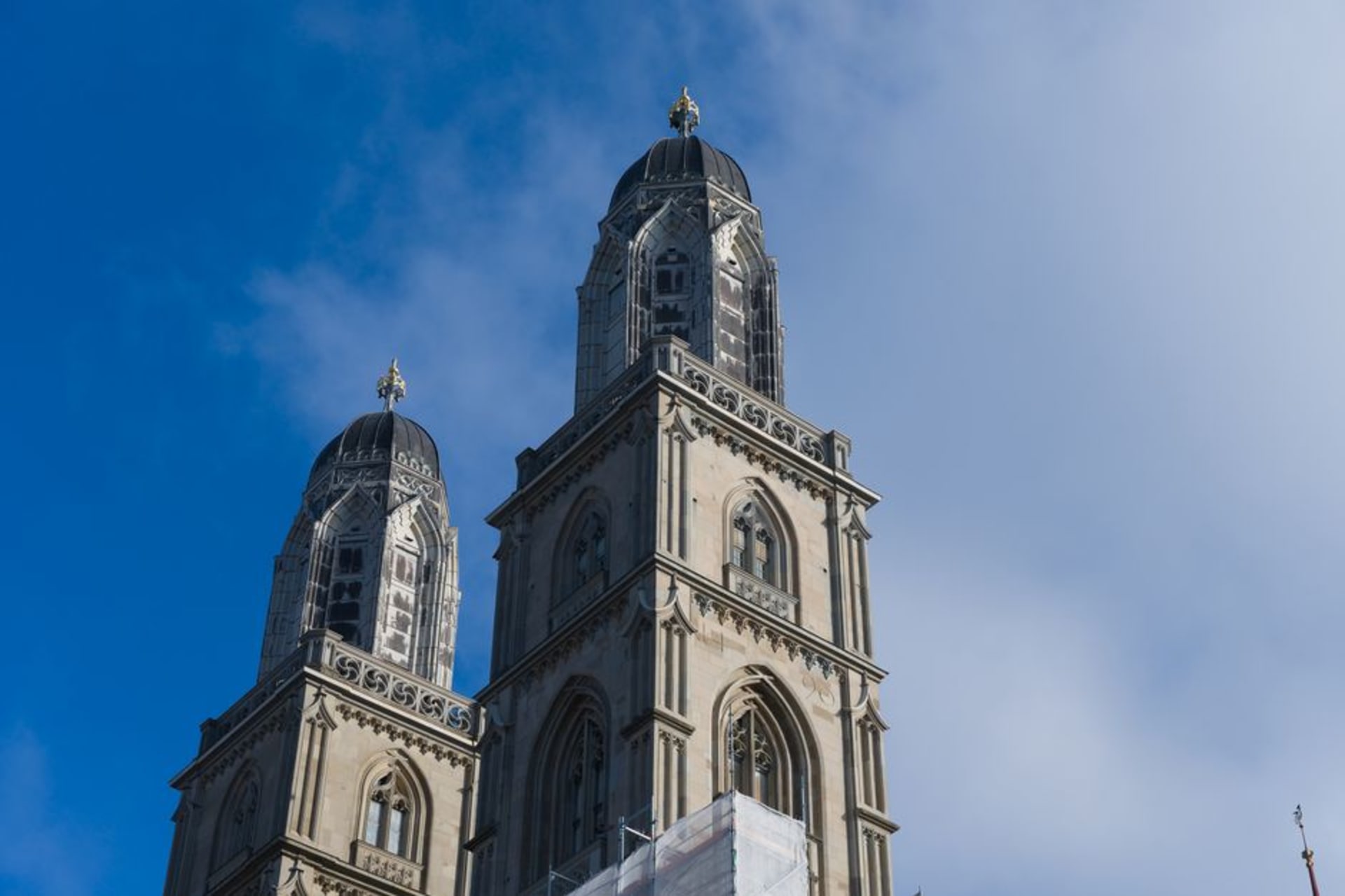
Sélestat
"It has none of Colmar's polish, and I mean that as the highest compliment I can give it."
A modest Alsace town between Colmar and Strasbourg holding one of the world's great Renaissance libraries and, less grandly, the first recorded Christmas tree.
Sélestat sits almost exactly halfway between Colmar and Strasbourg, and most people treat it exactly like that — a dot on the map you drive past. We stopped only because our train had a forty-minute layover, wandered out of the station on a whim, and ended up missing the connection on purpose. Sélestat has none of Colmar’s polish or Riquewihr’s careful prettiness, and that roughness — real shopfronts, a market square that still serves the town rather than the tour buses — is exactly what made us stay.
A library that survived everything
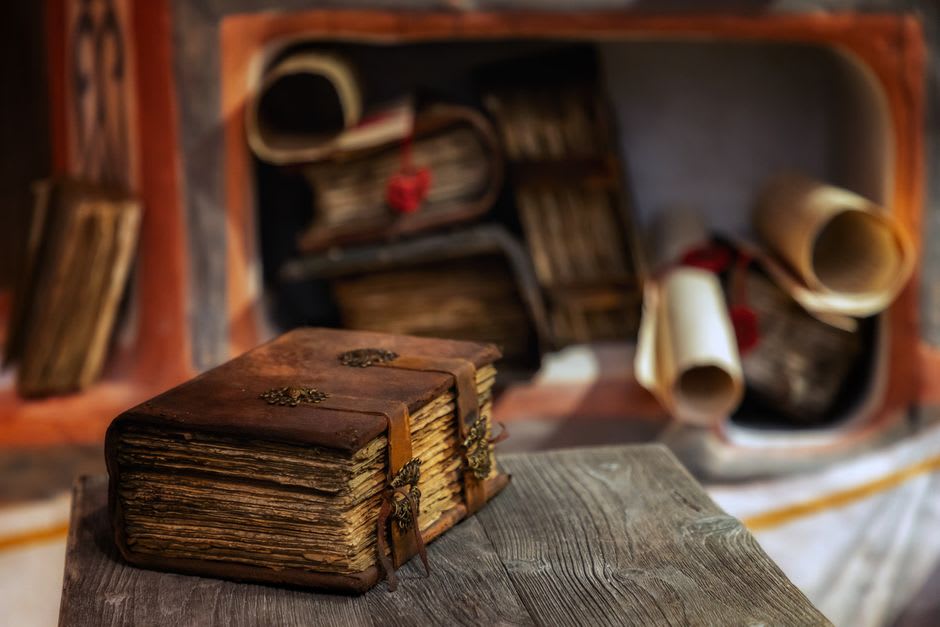
The Bibliothèque Humaniste, housed in a converted former grain hall, holds one of the most important Renaissance manuscript collections in the world, assembled around the library of Beatus Rhenanus, a humanist scholar and friend of Erasmus who left his personal collection to his hometown in 1547. Among its holdings is a 1507 map by Martin Waldseemüller — printed nearby in Saint-Dié — that is the first document to ever use the name “America,” and seeing it under glass, a genuinely world-changing object sitting quietly in a small Alsace town’s municipal library, was one of those moments that recalibrates your sense of where history actually happens. The reading room itself, all dark wood and hand-bound volumes, was almost silent when we visited, just us and a librarian cataloguing something in the back.
The first Christmas tree, allegedly
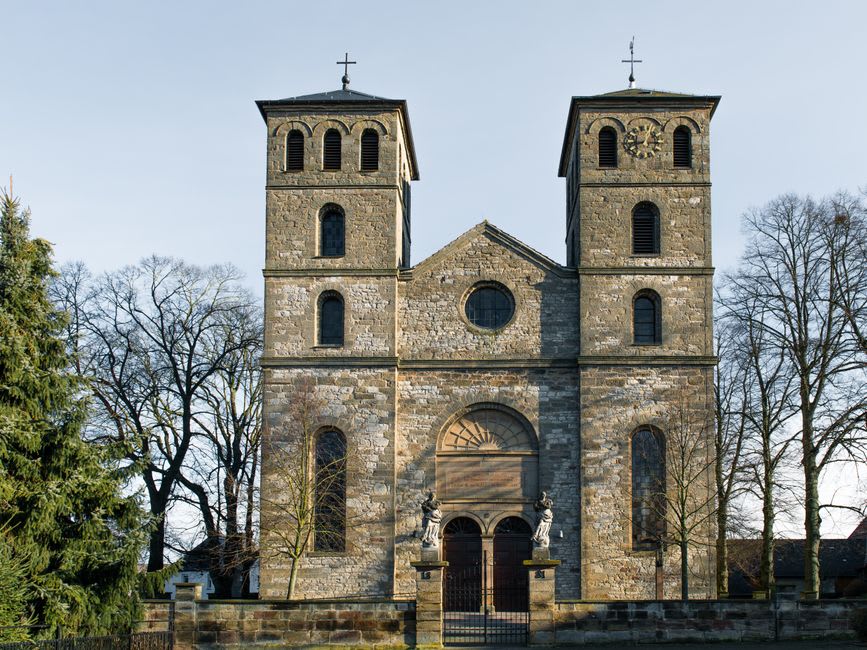
Sélestat’s other quiet claim to fame is a 1521 municipal account ledger, also held at the library, recording a payment to foresters “for guarding the trees at Christmas time” — the earliest known documentary reference to a decorated Christmas tree custom anywhere. The town takes this seriously without being smug about it: a small permanent exhibit near the tourist office traces the tradition’s spread from Alsace across Europe and eventually to North America, and every December the town puts up a genuinely enormous tree in the market square in front of the twin-towered Romanesque church of Sainte-Foy. We weren’t there in December, but the church itself, pale sandstone with two mismatched spires, was worth the detour on its own.
When to go: December, if you can manage it, for the Christmas market and the town’s proud claim to the tradition’s origins. Otherwise, any shoulder-season weekday lets you have the Bibliothèque Humaniste almost to yourself.