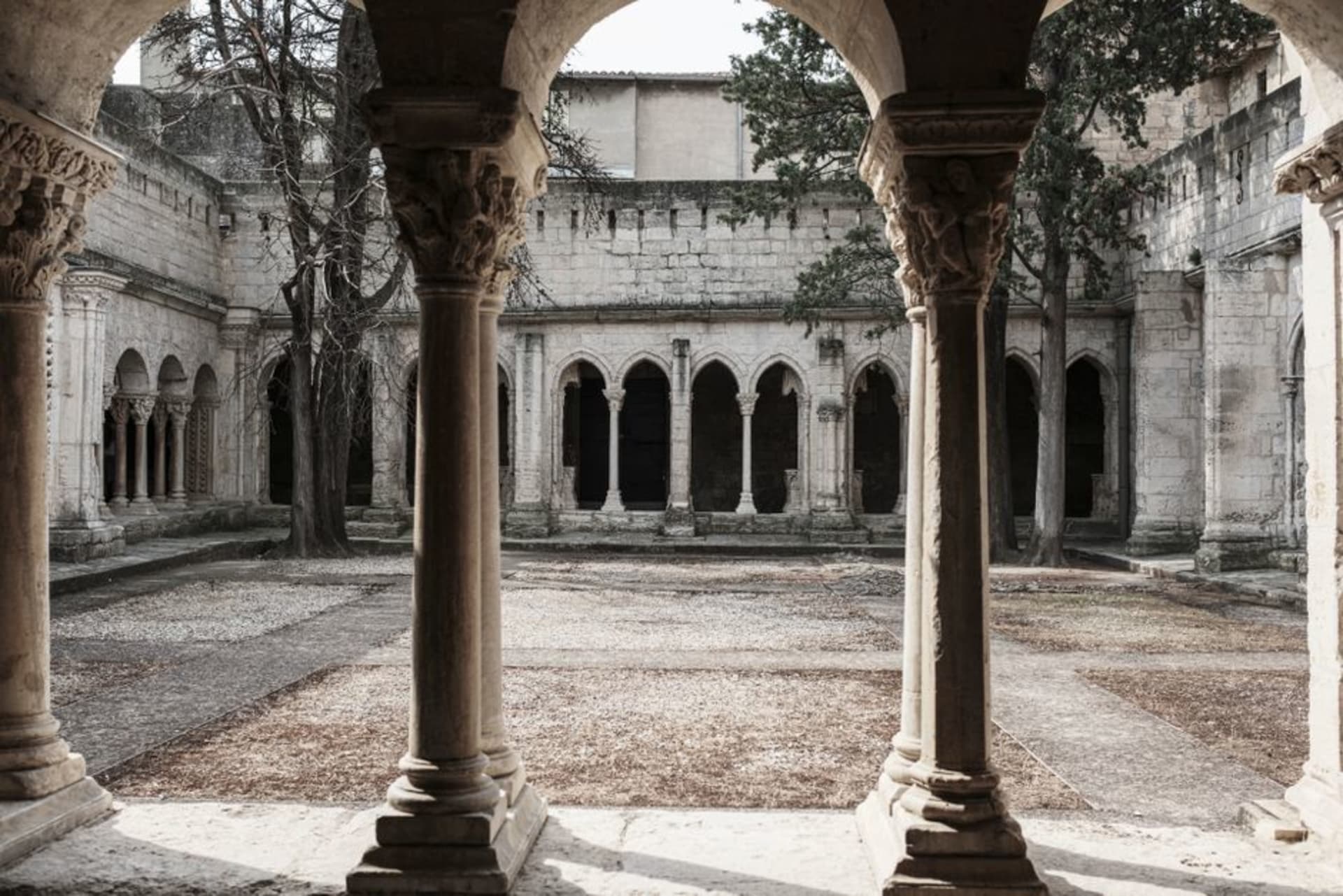
Saint-Rémy-de-Provence
"Between the Roman ruins and the asylum garden, this is the most quietly devastating half-day we spent in Provence."
A market town in the Alpilles where Roman ruins sit beside the asylum walls Van Gogh painted his cypresses and irises from, a year of his life folded into a few hundred metres.
Saint-Rémy doesn’t announce itself the way Gordes or Les Baux do — no cliffside drama, just a ring of plane-tree boulevards around a compact old town that feels, on a Wednesday market morning, like the working heart of the Alpilles rather than a stage set for one. We came for what’s just outside it and ended up loving the town itself more than we expected to.
Glanum, a Roman city half-swallowed by the hills
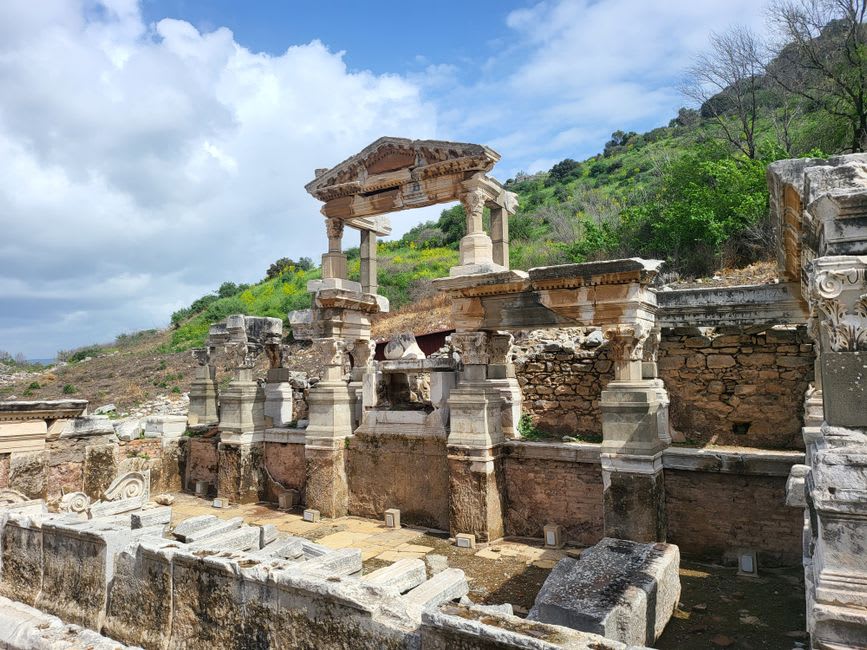
A fifteen-minute walk south of town, the ruins of Glanum sit in a narrow valley beneath the two limestone peaks the Romans called Les Antiques — a mausoleum and a triumphal arch, both still standing, that predate most of what remains of Roman France. The site itself, a Gallo-Greek and then Roman town of temples, baths, and a forum, is far less visited than it deserves, and we had long stretches of it entirely to ourselves, just cicadas and warm stone and the low hills closing in on both sides.
The asylum garden that painted itself into history
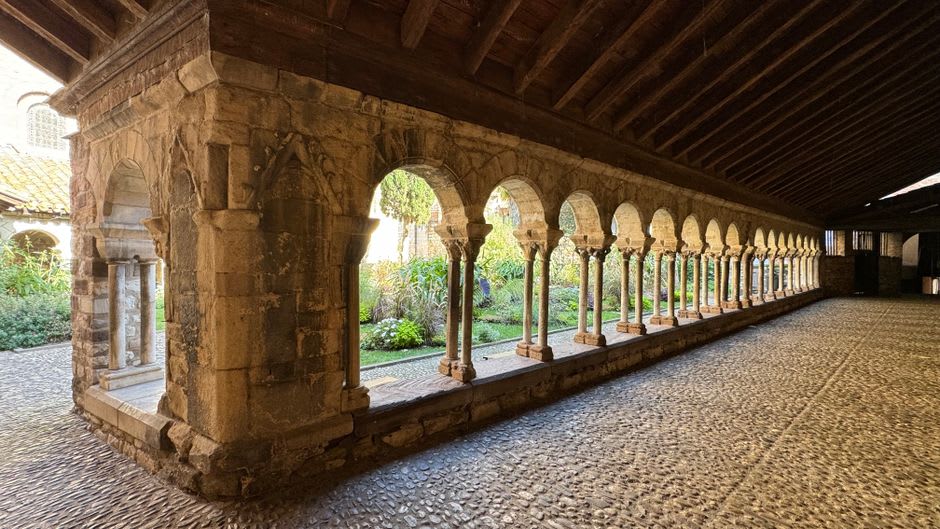
A short walk further, the former monastery of Saint-Paul-de-Mausole is still a working psychiatric clinic, but part of it — the cloister, the chapel, a recreated version of the room Van Gogh stayed in — is open to visitors. He committed himself here voluntarily in 1889 and painted more than a hundred works in the year he stayed, including The Starry Night, working from what he could see through a barred window: the wheat fields, the cypresses, the Alpilles beyond the wall. Standing in the walled garden, looking at the same gnarled olive trees he painted, is a strange, quiet kind of vertigo.
When to go: Wednesday, for the market that spills through the whole old town — one of the best in Provence. Spring puts the wheat fields and irises Van Gogh painted back in bloom around Glanum.