
Saint-Jean-Pied-de-Port
"We weren't walking to Santiago, but for one morning it felt rude not to feel a little bit like we were."
A fortified Basque town at the foot of the Pyrenees where the Camino Francés officially begins, its steep cobbled street packed every morning with pilgrims collecting their first stamp.
We had no intention of walking to Spain, but Saint-Jean-Pied-de-Port makes that fact feel slightly like a personal failing. The town sits at the French foot of the Pyrenees and has been the starting point of the Camino Francés for centuries — the most walked of all the routes to Santiago de Compostela — and every morning the pilgrims’ office on rue de la Citadelle fills with people getting their first stamp in a fresh credencial, adjusting straps, and looking simultaneously terrified and thrilled about the mountain pass waiting for them the next day.
The street that starts a thousand kilometres
Rue de la Citadelle is the old town’s spine, a steep run of pink and grey Pyrenean stone houses with dates carved above the doors, some from the sixteenth century. It funnels downhill toward the Porte Notre-Dame and a stone bridge over the Nive, where the river runs clean and fast enough that we watched trout holding still against the current for a good ten minutes. Pilgrims with scallop shells clipped to their packs moved past us in both directions — some arriving that morning by train, others already leaving for Roncesvalles and the first real climb of the whole route.
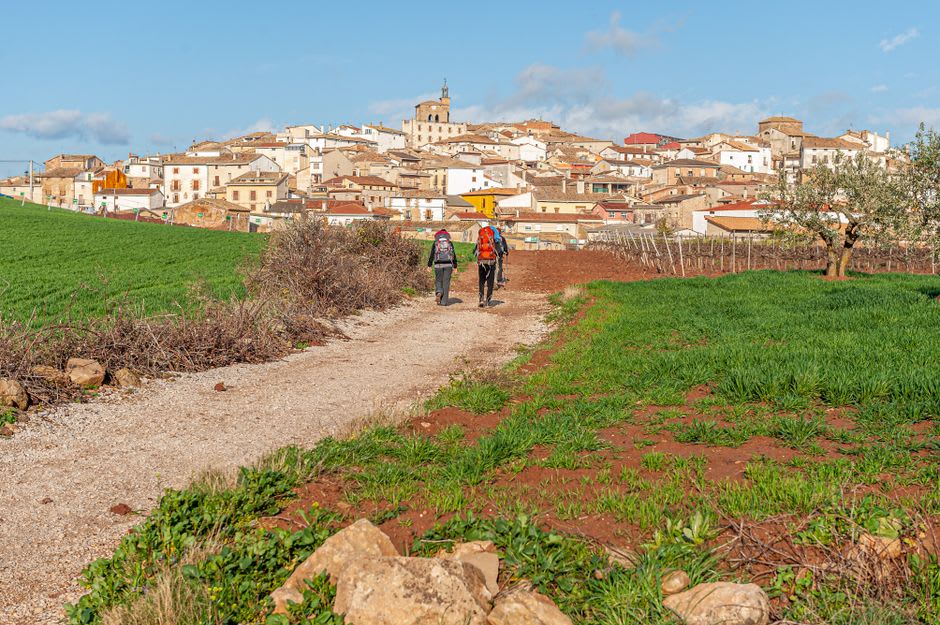
A citadel with a view of tomorrow’s climb
Above the old town, the seventeenth-century citadel built under Vauban’s military architecture program is now mostly a school, but the ramparts are open and the walk up is worth it for the view alone: the Nive valley below, the old town’s terracotta roofs, and beyond them the green wall of the Pyrenees that every pilgrim in town would be crossing within a day or two. Lia pointed at the ridge line and asked, not entirely joking, whether we should just keep going. We didn’t. We had a car parked at the bottom and a dinner reservation in Bayonne.
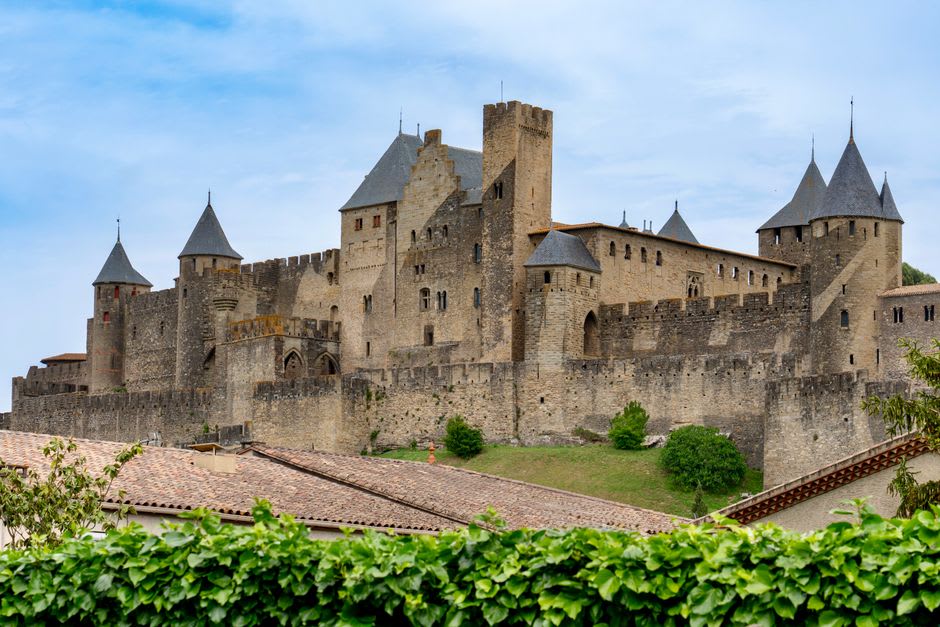
When to go: Late spring and early autumn are best, both for walking weather on the pass ahead and for a quieter version of a town that gets genuinely packed at the height of pilgrim season in summer.