Reims
"We came for the champagne and left thinking mostly about the cathedral that survived a war meant to erase it."
The coronation city of French kings, sitting on top of hundreds of kilometres of chalk cellars where the great Champagne houses have aged their wine for two centuries.
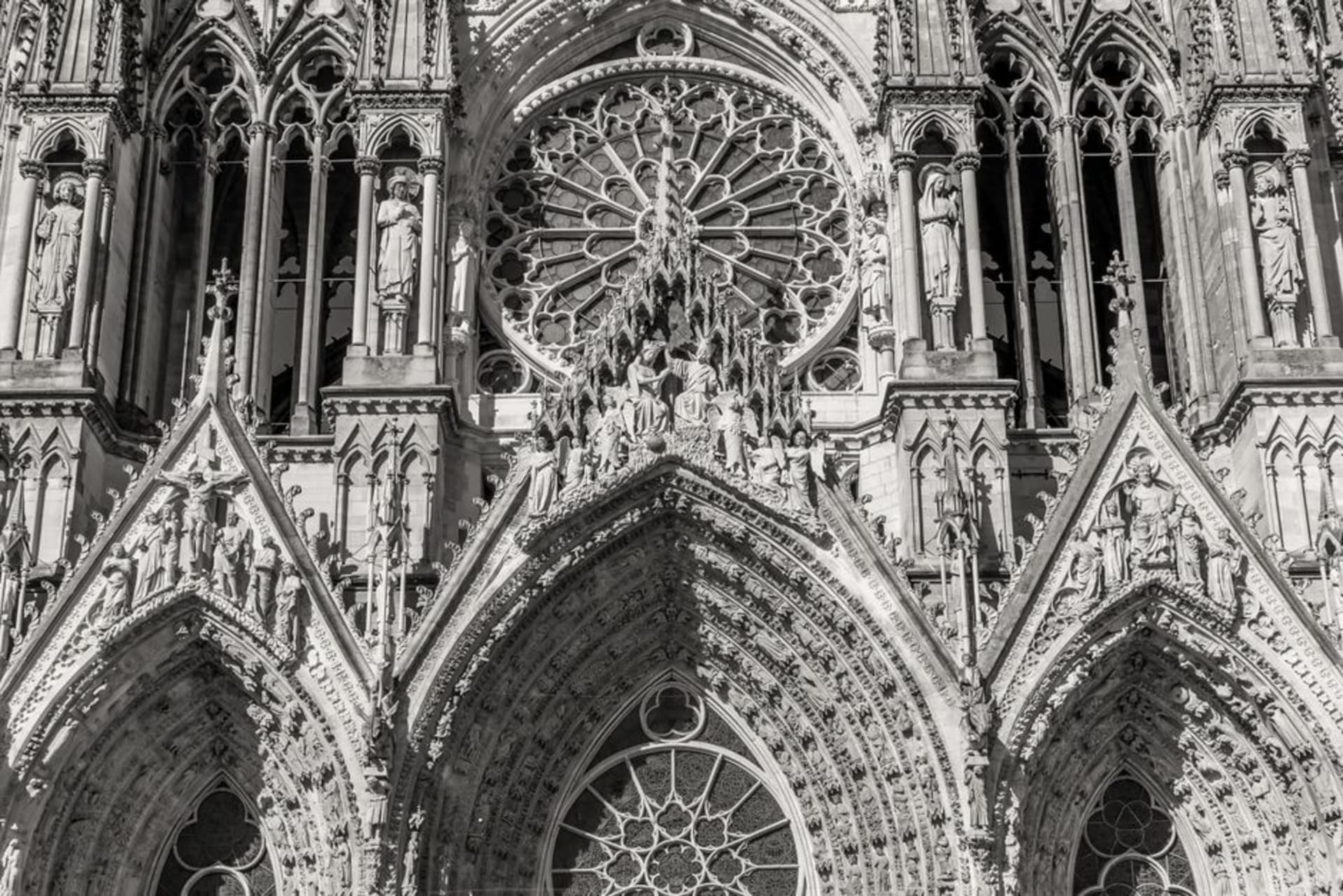
I’ll admit we booked Reims for the champagne cellars and treated the cathedral as an afterthought, a box to tick before the tastings started. That ranking flipped within about ten minutes of walking through the west front doors. Reims Cathedral is where thirty-three French kings were crowned, from Clovis in 496 through Charles X in 1825, and it was almost destroyed by German shelling in 1914, its roof burned and its stone scarred in ways still visible if you know where to look. Walking in, past the famous Smiling Angel on the facade — badly damaged in the bombardment and painstakingly restored — felt heavier than I’d expected from a stop I’d nearly deprioritized.
The chalk cellars underneath everything
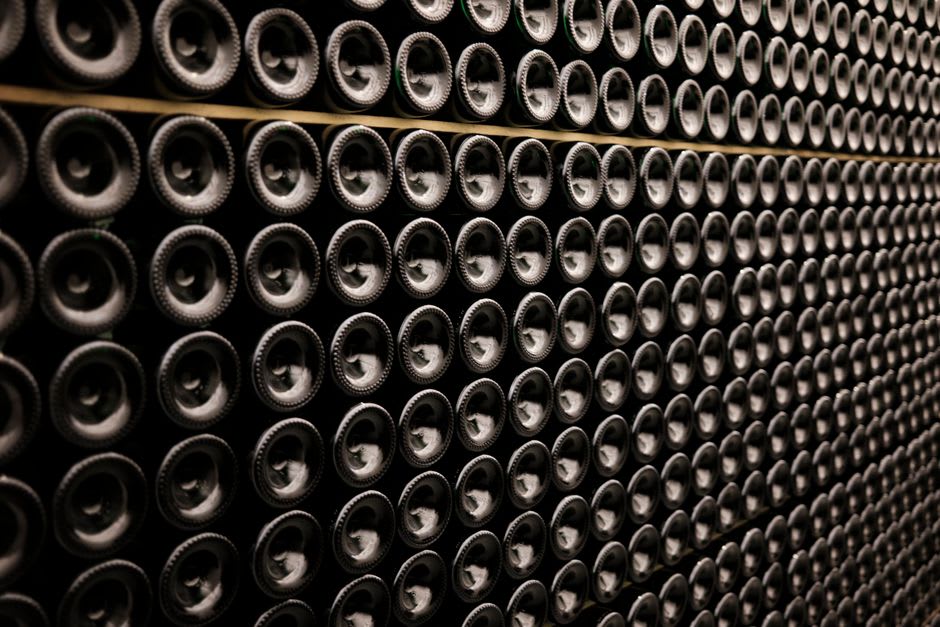
Reims sits on a network of Gallo-Roman chalk quarries, originally dug for building stone, that the great champagne houses started repurposing in the eighteenth and nineteenth centuries because the constant cool temperature and humidity turned out to be perfect for aging sparkling wine. We toured the crayères beneath Veuve Clicquot, descending a spiral staircase into tunnels lined floor to ceiling with bottles resting at a slight angle, some sections dating back over two hundred years, and the guide pointed out chalk walls still bearing carved graffiti from workers sheltering there during both world wars. Lia, who doesn’t usually care much for wine tours, went quiet in a way I recognized from cathedrals rather than cellars.
A city rebuilt, deliberately
Much of Reims outside the cathedral quarter was rebuilt after near-total destruction in the First World War, and rather than trying to disguise that, the city leaned into it — the Art Deco Carnegie Library and the Basilique Saint-Remi’s more traditional restoration sit a short walk apart, two very different answers to the same catastrophe. We ended the day at a wine bar near Place Drouet d’Erlon with a glass of grower’s champagne, from a small producer rather than one of the famous maisons, and the owner spent twenty minutes explaining the difference between the big houses’ blended style and what she called the more “honest” character of the small growers’ single-vineyard wines.
When to go: September and October, during the champagne harvest, when many houses open up their vineyard visits alongside the usual cellar tours. The cathedral is worth visiting any time of year, though late afternoon light suits the west facade best.