Perros-Guirec
"I kept touching the rocks like I didn't quite believe the colour until I felt it."
A resort town on Brittany's Pink Granite Coast where the rocks along the shore really are the colour of a sunset, no filter required.
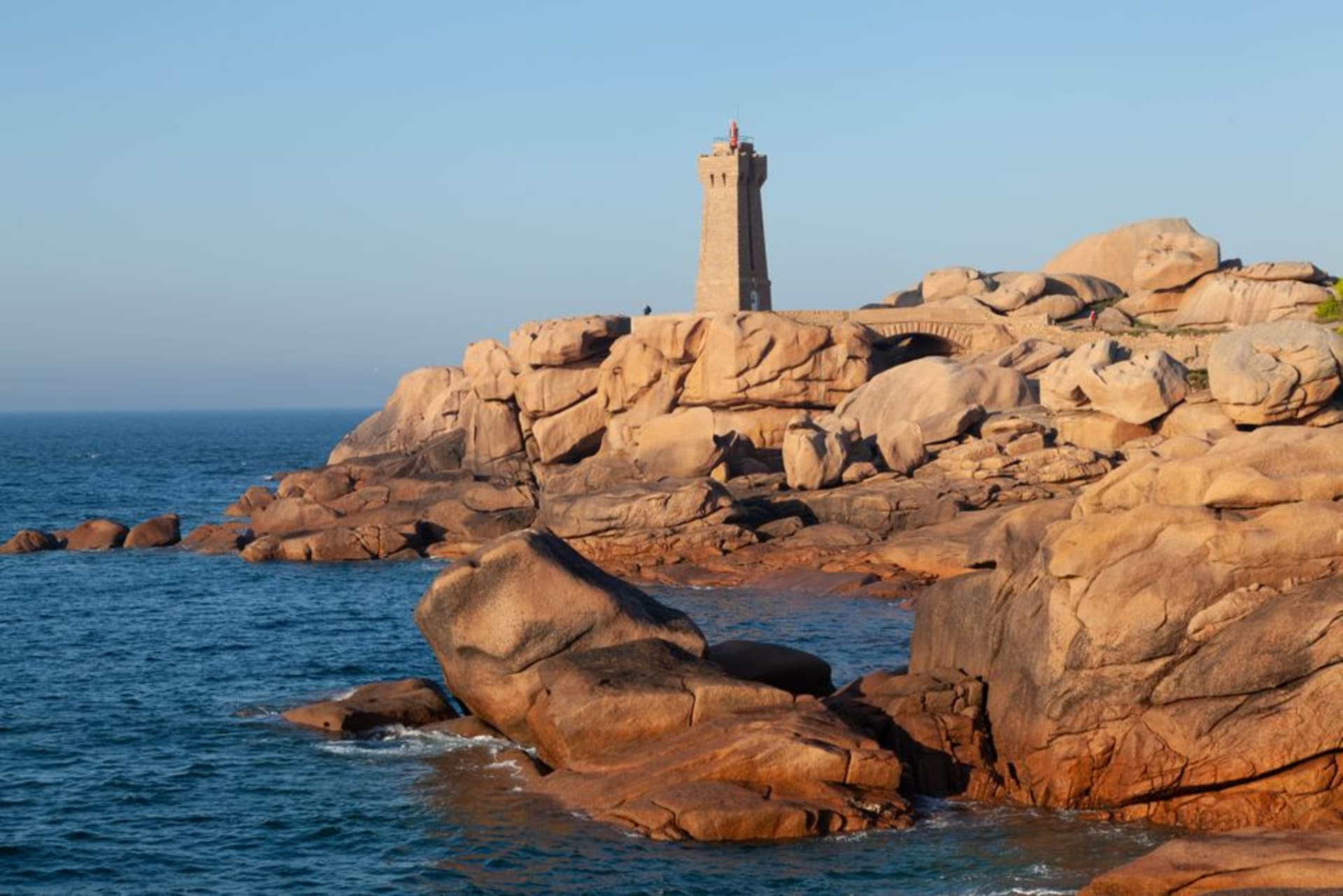
I’d seen photos of the Côte de Granit Rose before we went and assumed, as I usually do with anything that photogenic, that the colour was exaggerated for the camera. It isn’t. The granite boulders scattered along the coast at Perros-Guirec and neighbouring Ploumanac’h really do glow a deep rose-orange, especially in the low light of early evening, and Lia and I ended up timing our whole visit around sunset just to watch the rocks change colour as the light dropped.
The customs officers’ path
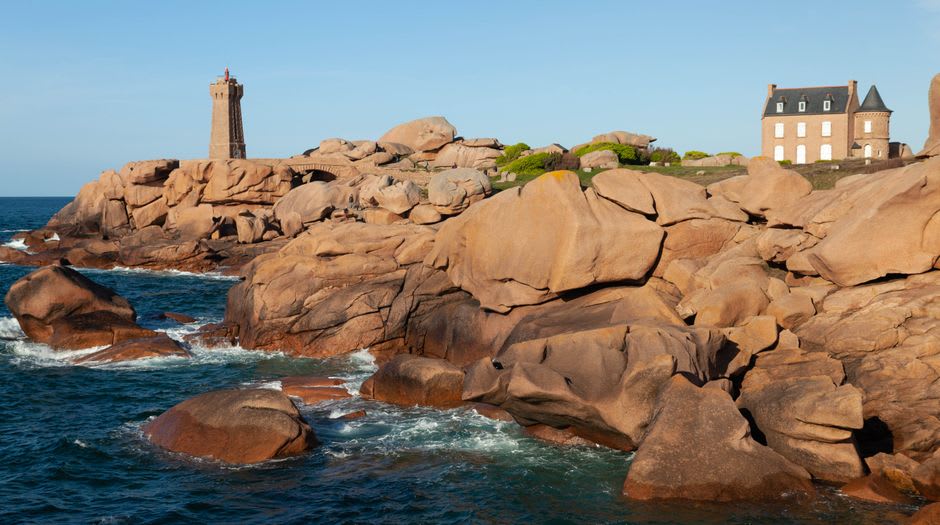
The Sentier des Douaniers, the coastal footpath that once let customs officers patrol for smugglers, runs along this stretch of coast between Perros-Guirec and Ploumanac’h and is, without much competition, one of the best short coastal walks I’ve done in France. It threads between granite boulders the size of houses, some balanced on top of each other in ways that look deliberate but aren’t, worn into strange rounded shapes by wind and salt over millions of years. Locals have given some of them nicknames — a Napoleon’s Hat, a Rabbit — and we spent a while trying and mostly failing to see the resemblance before giving up and just enjoying the walk. The path passes right beneath the Phare de Ploumanac’h, a lighthouse built from the same pink stone so it nearly disappears into the rocks around it.
A beach town that still works for a living
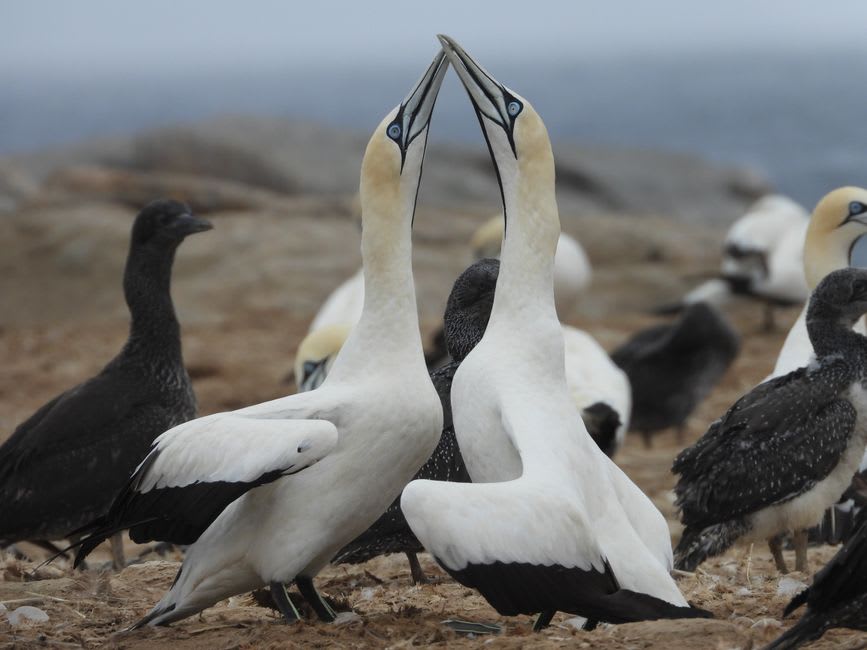
Perros-Guirec itself has the feel of a proper French seaside resort — a casino, a long sandy beach at Trestraou, a marina full of sailboats — but it hasn’t entirely given up its fishing identity either, and the harbour at Ploumanac’h still has working boats tied up among the pleasure craft. We took a short boat trip out to the Sept-Îles archipelago, a nature reserve just offshore that’s home to France’s largest colony of northern gannets, thousands of them wheeling and diving around a single rocky island in a way that made the whole boat go quiet. Back on land we ate mussels at a harbourside table in Ploumanac’h as the tide pulled the pink rocks back into shadow.
When to go: Late afternoon light is when the granite earns its name, so build the coastal walk into golden hour if you can. May through September gives you the calmest seas for the boat trip out to the Sept-Îles.