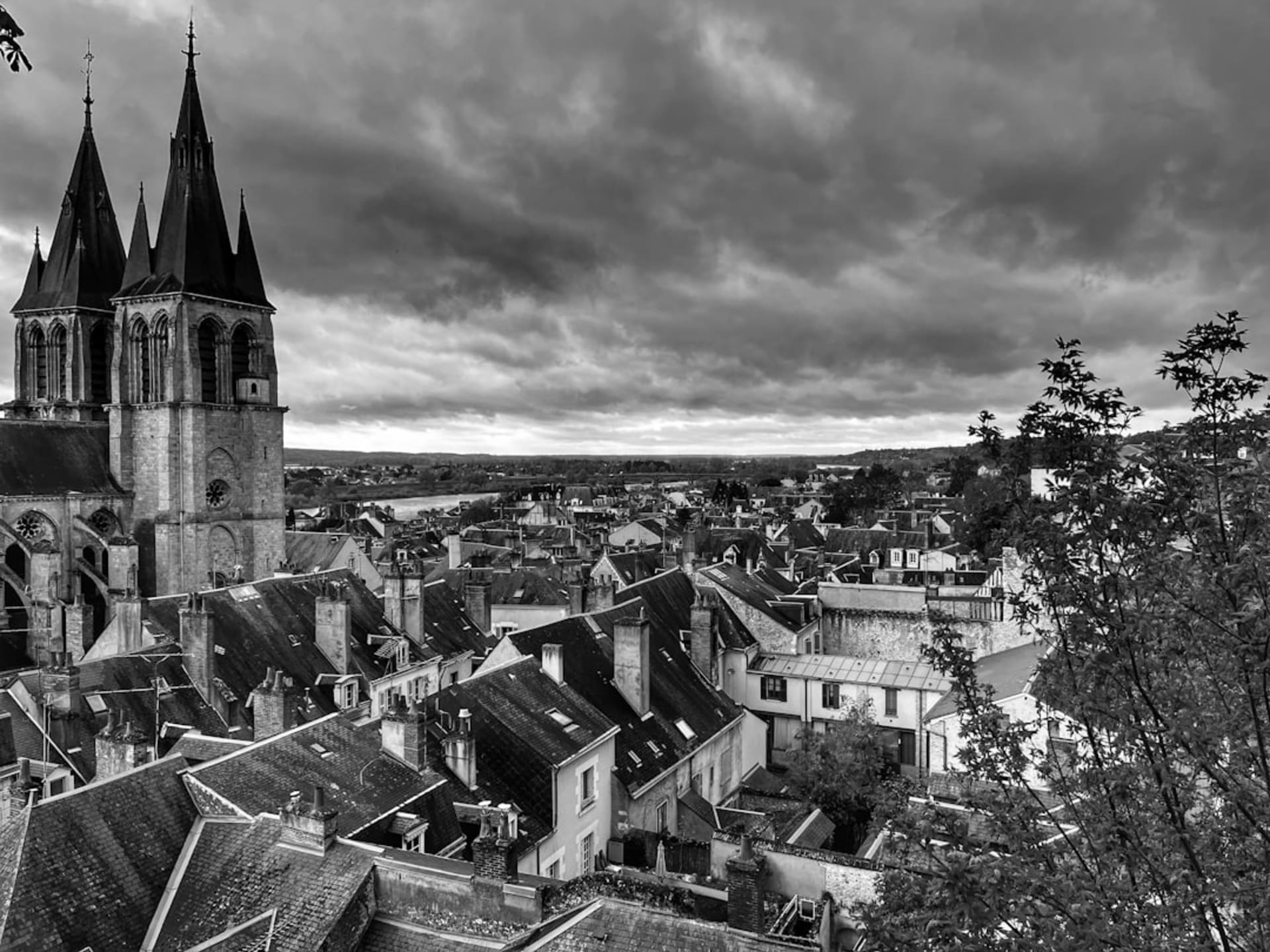
Périgueux
"Périgueux was the first place in the Dordogne that felt like an actual city, and I mean that as a compliment."
The Dordogne's actual capital, a proper working city with a Roman amphitheater, a strange multi-domed cathedral that inspired a Paris landmark, and a market culture more serious than anywhere else in the region.
After a string of village stops along the river, Périgueux felt like stepping up a level — it’s the actual administrative capital of the Dordogne département, a real city with real traffic and a genuine daily rhythm that doesn’t revolve around tourism. Lia and I arrived on a Wednesday and found ourselves navigating a busy market rather than a curated one, which after a week of picturesque villages was its own kind of relief.
Two thousand years layered in one town
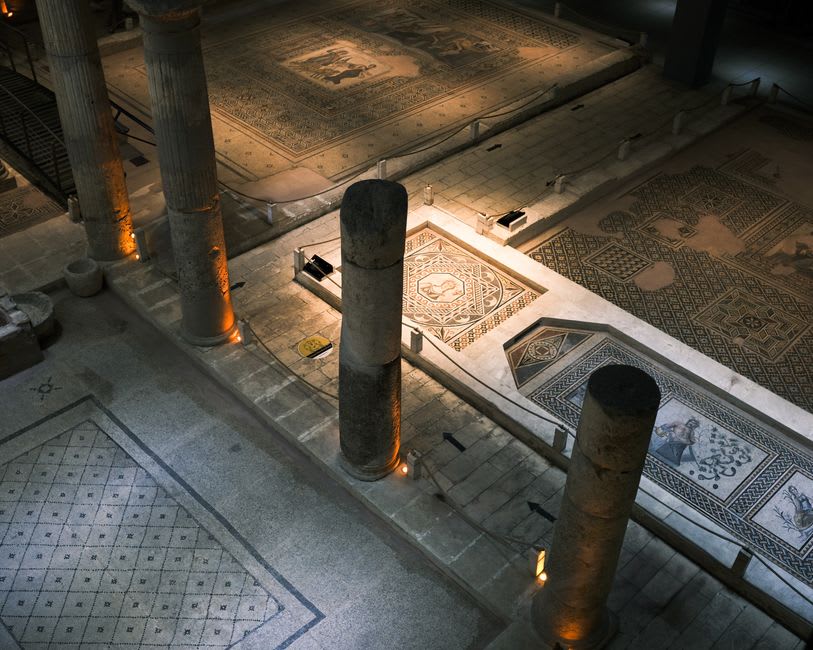
Périgueux’s history runs unusually deep even by regional standards — the Romans founded Vesunna here as capital of the Petrocorii tribe’s territory, the origin of the name Périgord itself, and substantial Roman remains still stand throughout the modern city. We walked through the ruins of the Roman amphitheater, now a public garden where locals jog and walk dogs among the arched foundations that once held ten thousand spectators, and visited the Vesunna museum, a striking glass building constructed directly around the excavated remains of a Roman villa, its mosaic floors and hypocaust heating system visible exactly where they were found.
The medieval and Renaissance old town, centered on Rue Limogeanne, layers directly on top of this Roman history, half-timbered merchant houses standing a few streets from Gallo-Roman foundations, and walking between the two felt like flipping back and forth through different chapters of the same book.
A cathedral that shaped Paris, and a market that means business
The Cathédrale Saint-Front dominates the skyline with a genuinely unusual silhouette — five stone domes on a Greek-cross plan, a Byzantine-influenced design almost unique in France, heavily restored in the nineteenth century by Paul Abadie, who used what he’d learned here as the direct architectural template for the Basilique du Sacré-Cœur in Paris. Knowing that connection changed how I saw both buildings; Périgueux’s cathedral suddenly felt like the rough draft of one of the most photographed buildings in the world.
The Wednesday and Saturday market around Place du Coderc and Place de la Mairie is where Périgueux takes food most seriously — this is truffle and foie gras country at its commercial center, and in winter the truffle market operates under strict rules, with growers selling directly from baskets and buyers negotiating in low voices, a genuinely different atmosphere from the tourist-facing markets we’d seen in the villages. We left with walnut oil, a jar of confit, and a wedge of tomme, feeling like we’d shopped rather than sightseen.
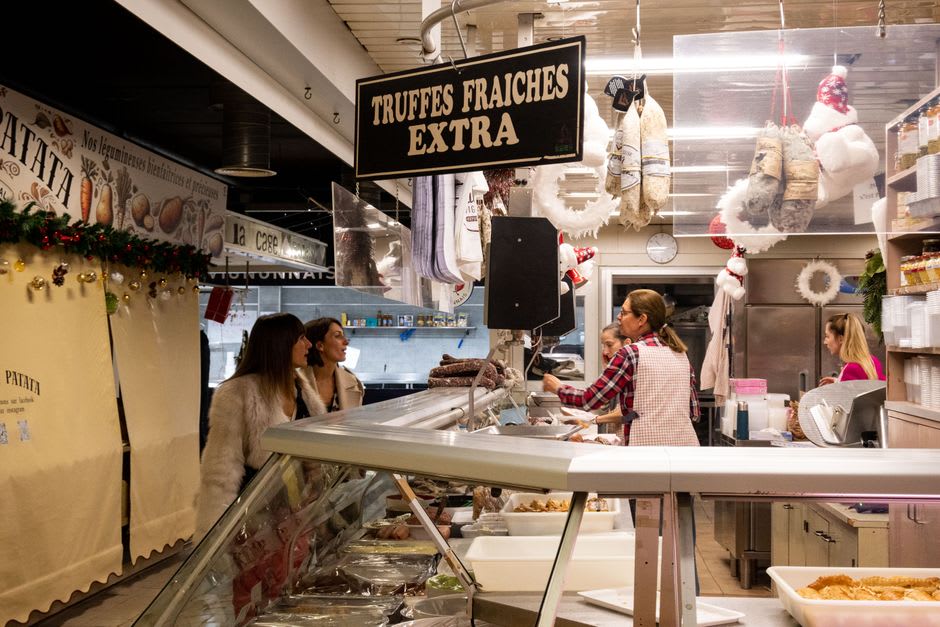
When to go: Wednesday or Saturday for the market, and if truffles interest you specifically, aim for the winter season from December through February when the truffle market is in full operation.