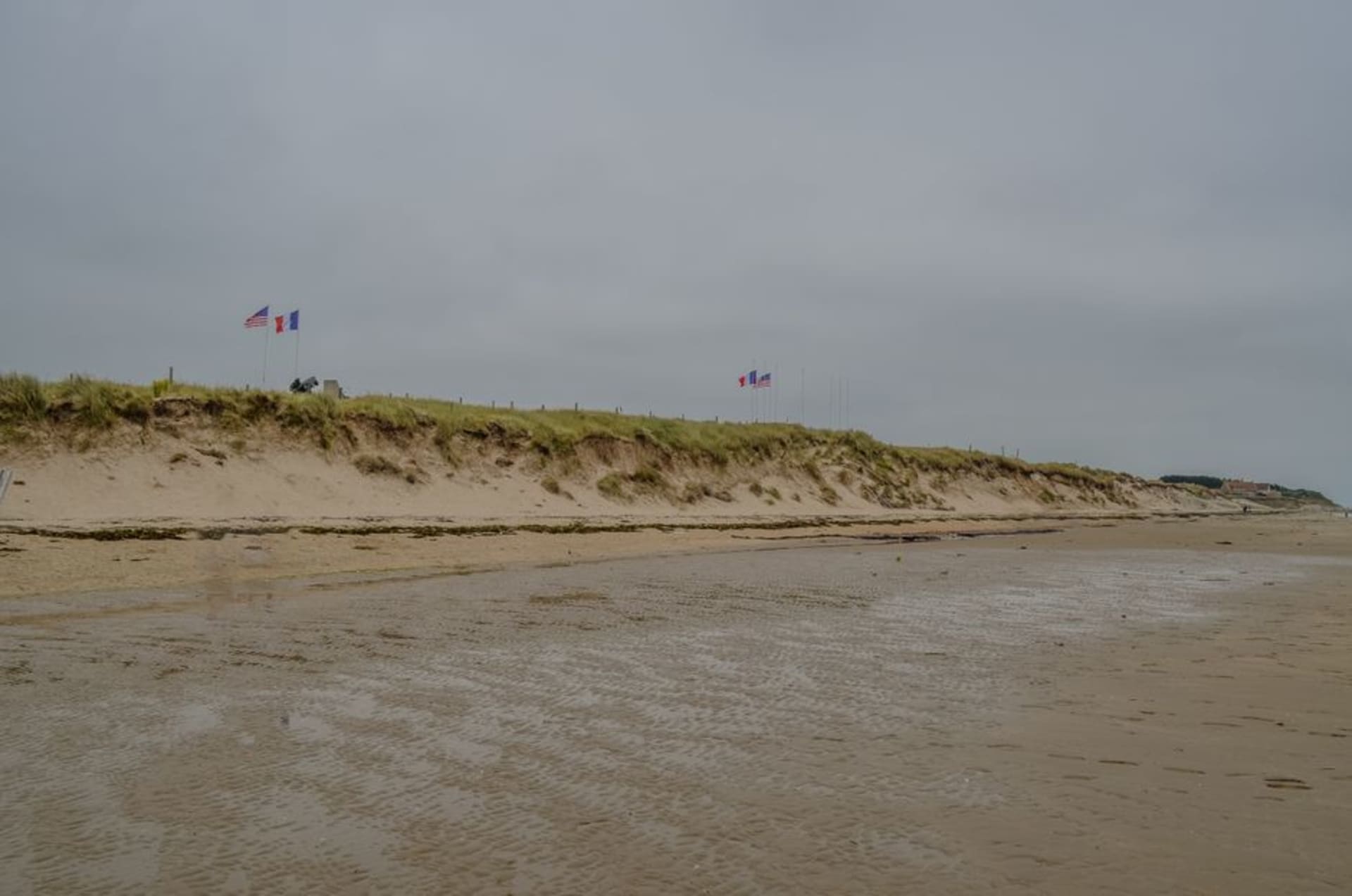
Omaha Beach
"It's an unbearably beautiful stretch of coast, and I don't think you're meant to be able to enjoy that fact comfortably."
A wide, quiet stretch of Normandy sand above a bluff of white crosses, where the ordinary beauty of the place sits uneasily and permanently next to what happened there in June 1944.
We drove out from Bayeux on a clear morning, and the first thing that struck me about Omaha Beach was simply how wide and open it is — nearly a kilometre of sand exposed at low tide, backed by grassy bluffs, families walking dogs along the waterline. It took a real effort to hold that ordinary, pleasant scene next to what I knew had happened there on the morning of June 6th, 1944, when Allied forces landed under heavy German fire from the bluffs above and suffered the heaviest casualties of any of the five landing beaches.
Walking the actual sand
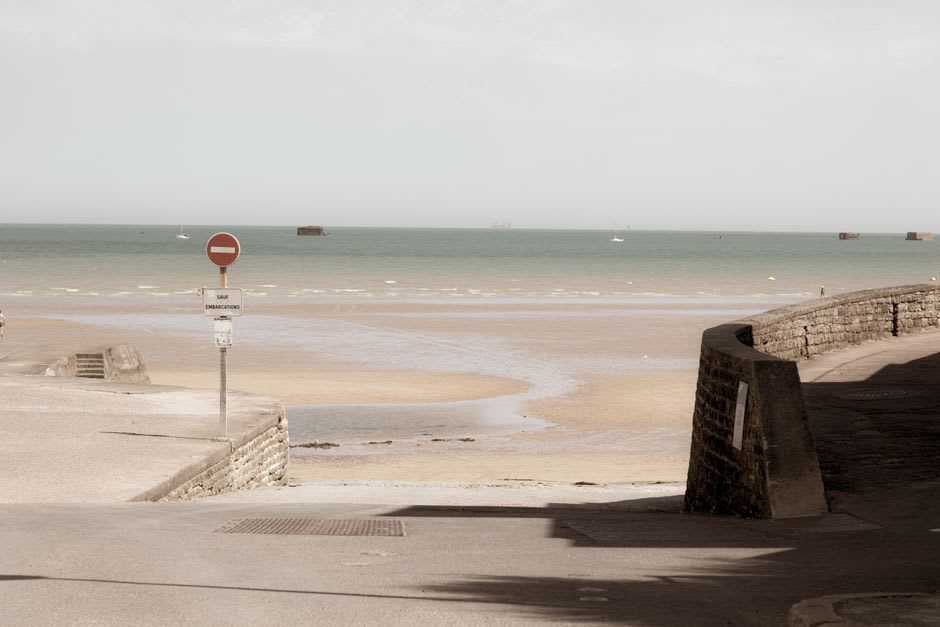
There’s a specific disorientation to standing on Omaha Beach itself, a public beach with no admission and no barrier, and realising you’re walking the exact ground American soldiers crossed under fire from concrete bunkers still visible up on the bluff. A few remnants of the Mulberry harbour, the artificial port structures towed across the Channel to supply the invasion after the beaches were secured, still sit rusting in the shallows. We walked from the sand up the bluff path that some of the first waves had to climb, a modest slope that must have felt endless under machine-gun fire, and stood at the top looking back down at the beach, trying and mostly failing to picture it as it was.
The cemetery above the bluff
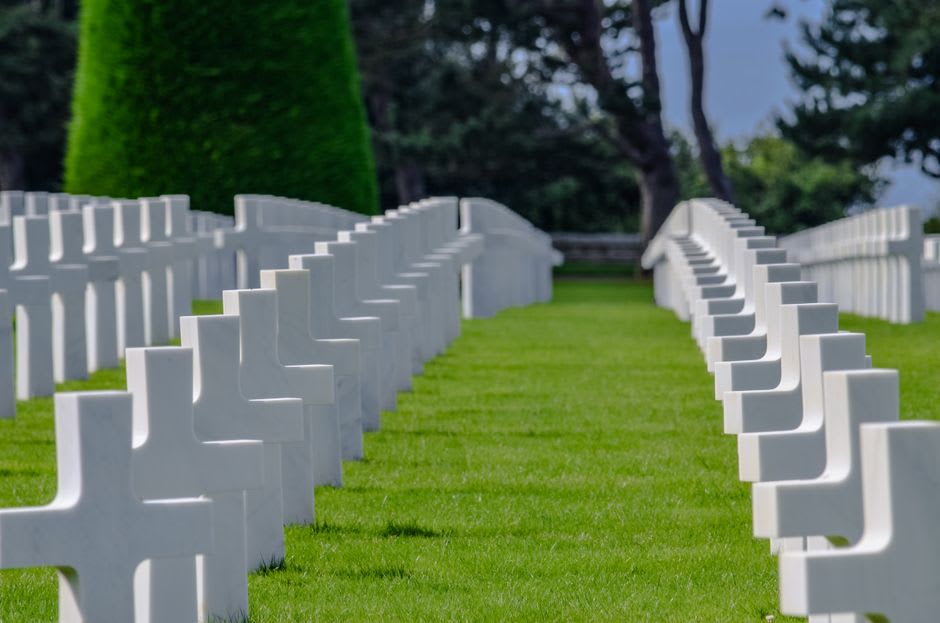
The Normandy American Cemetery sits directly above the beach at Colleville-sur-Mer, nearly ten thousand white marble crosses and Stars of David set in precise rows across manicured lawns overlooking the water. It’s one of the most affecting places I’ve visited anywhere, not because of any single grand gesture but because of the scale, repeated identically thousands of times, each headstone carrying a name, a state, a date. Lia found a section for soldiers from a state she had family ties to and stood there a long while. We left in silence, drove back into Bayeux, and didn’t talk much over dinner either — some places don’t ask you to process them quickly.
When to go: Early June brings the D-Day anniversary commemorations, moving but crowded; a quiet weekday outside that window gives more space for reflection. The cemetery and visitor centre are free but close relatively early, so plan the afternoon around their hours.