Nancy
"I didn't expect a square to make me stop talking mid-sentence, but Place Stanislas did."
A former ducal capital in Lorraine centred on one of the most beautiful squares in Europe, and the unlikely birthplace of the Art Nouveau movement that shaped how I now look at glass.
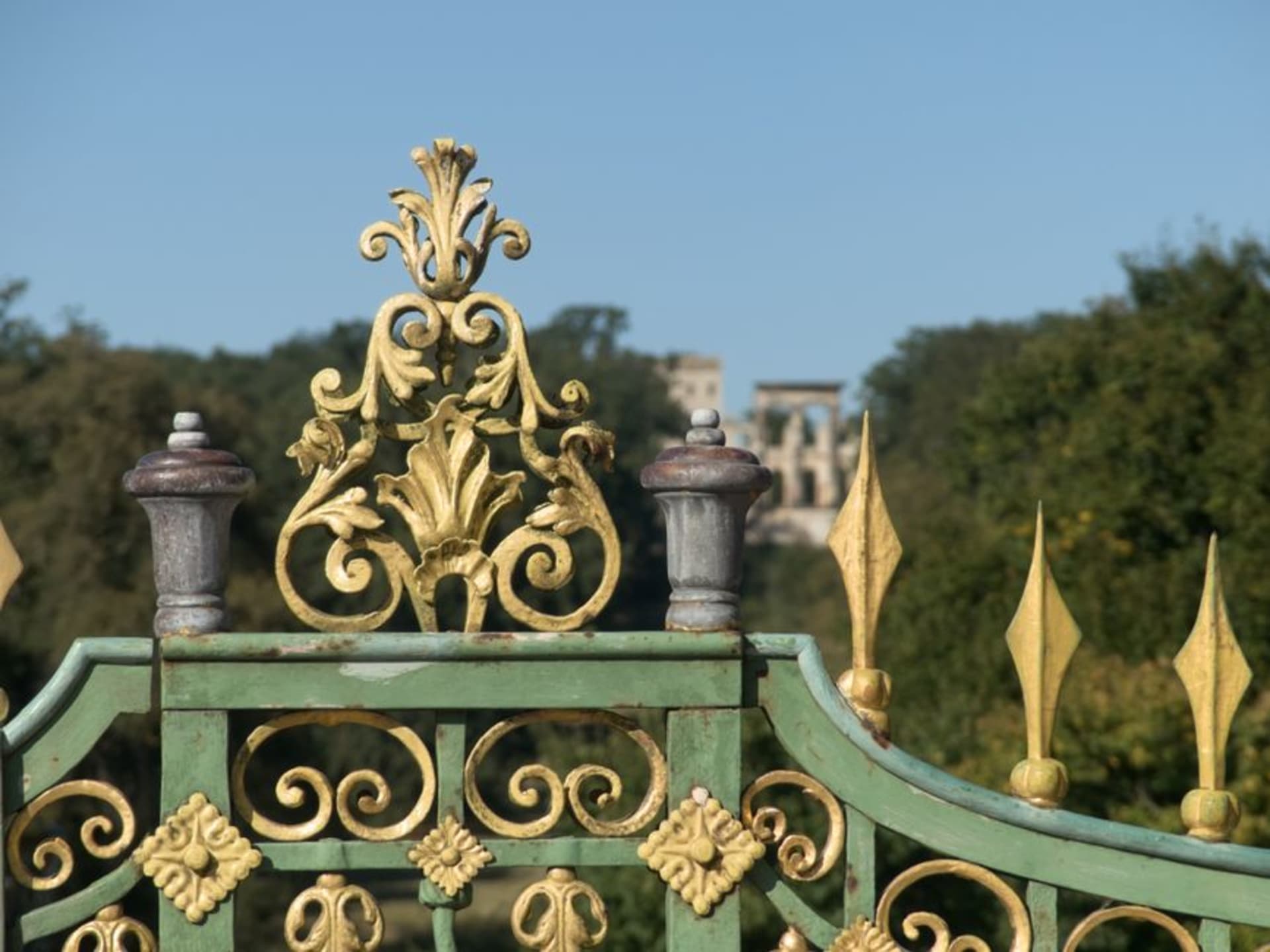
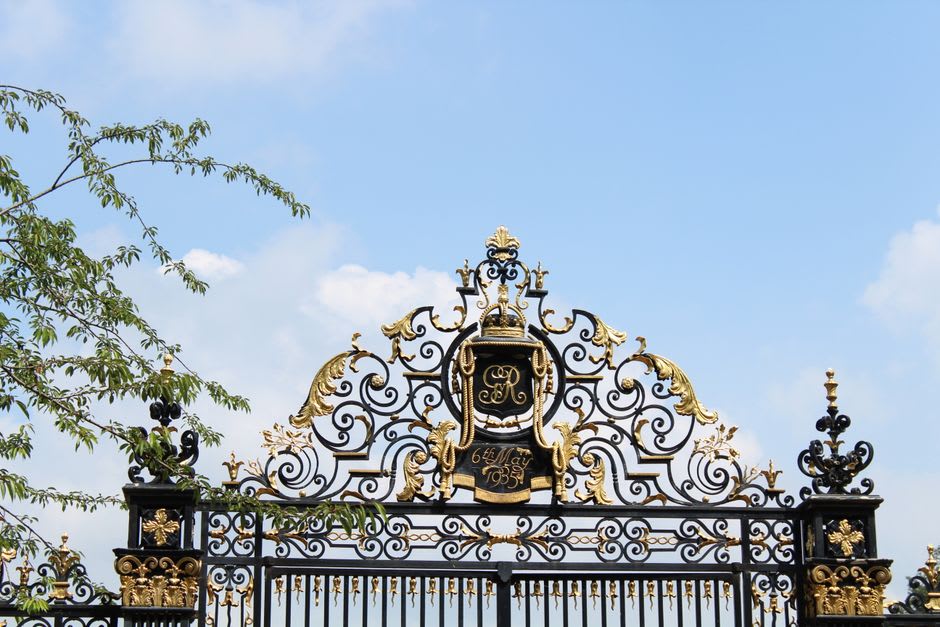
Lia and I walked into Place Stanislas at dusk, when the streetlights had just come on but the sky hadn’t fully gone dark, and I genuinely stopped talking mid-sentence. It’s a UNESCO-listed eighteenth-century square built for Stanisław Leszczyński, the exiled king of Poland who became Duke of Lorraine and used his retirement to commission one of the great pieces of urban design in Europe — golden wrought-iron gates by Jean Lamour framing the corners, fountains by Barthélemy Guibal, and facades in a pale gold stone that, like Metz’s, seems to hold onto the evening light long after the sun has actually gone.
A square built by a king with nothing left to prove
Stanisław had already lost his throne twice by the time he became Duke of Lorraine as a consolation from his son-in-law, Louis XV of France, and Place Stanislas — finished in 1755 — reads like the work of a man with nothing left to prove and all the resources in the world to prove it anyway. We circled it twice, once at dusk and once the following morning, and the gilded ironwork gates on the southern and northern sides genuinely stopped tourists mid-stride the way sudden bursts of gold tend to. The Musée des Beaux-Arts sits on one side of the square, and we spent a rainy hour inside looking at Daum glasswork before realizing the square outside was actually the better exhibit.
Where Art Nouveau actually started
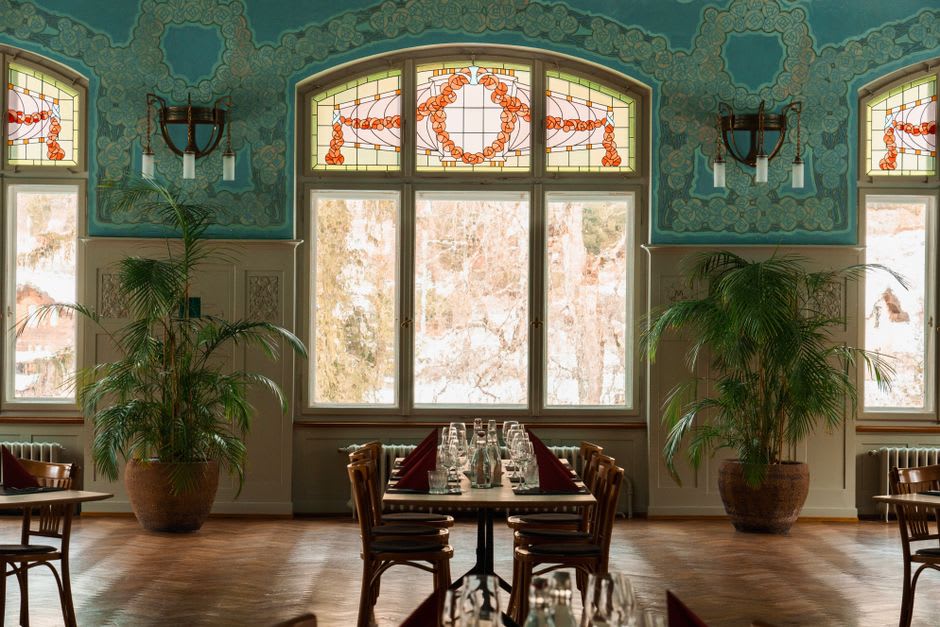
What I hadn’t known before we arrived is that Nancy, not Paris, was the true home of the École de Nancy, the Art Nouveau movement led by glassmaker Émile Gallé and the Daum brothers at the turn of the twentieth century, drawing on Lorraine’s forests and rivers for its organic, plant-and-insect motifs. We spent a morning at the Musée de l’École de Nancy, a former private mansion filled with Gallé’s carved and etched glass vases, dragonfly lamps, and furniture with legs that curve like tree roots, and it changed how I’ve looked at glasswork ever since — I now notice Art Nouveau details in places I’d have walked straight past a year ago. Walking back through the Ville Vieille afterward, past half-timbered houses far plainer than Alsace’s but somehow more honest for it, felt like the right way to close the loop.
When to go: Late spring through early autumn, when Place Stanislas hosts its evening light-and-sound show projected onto the facades — check ahead, as it typically runs from June through September.