Mulhouse
"Everyone drives past Mulhouse on the way to somewhere prettier. We're glad we didn't."
An industrial Alsace city that nobody puts on a postcard, but whose car and railway museums pulled Lia's engineer brain in for a full day we hadn't budgeted.
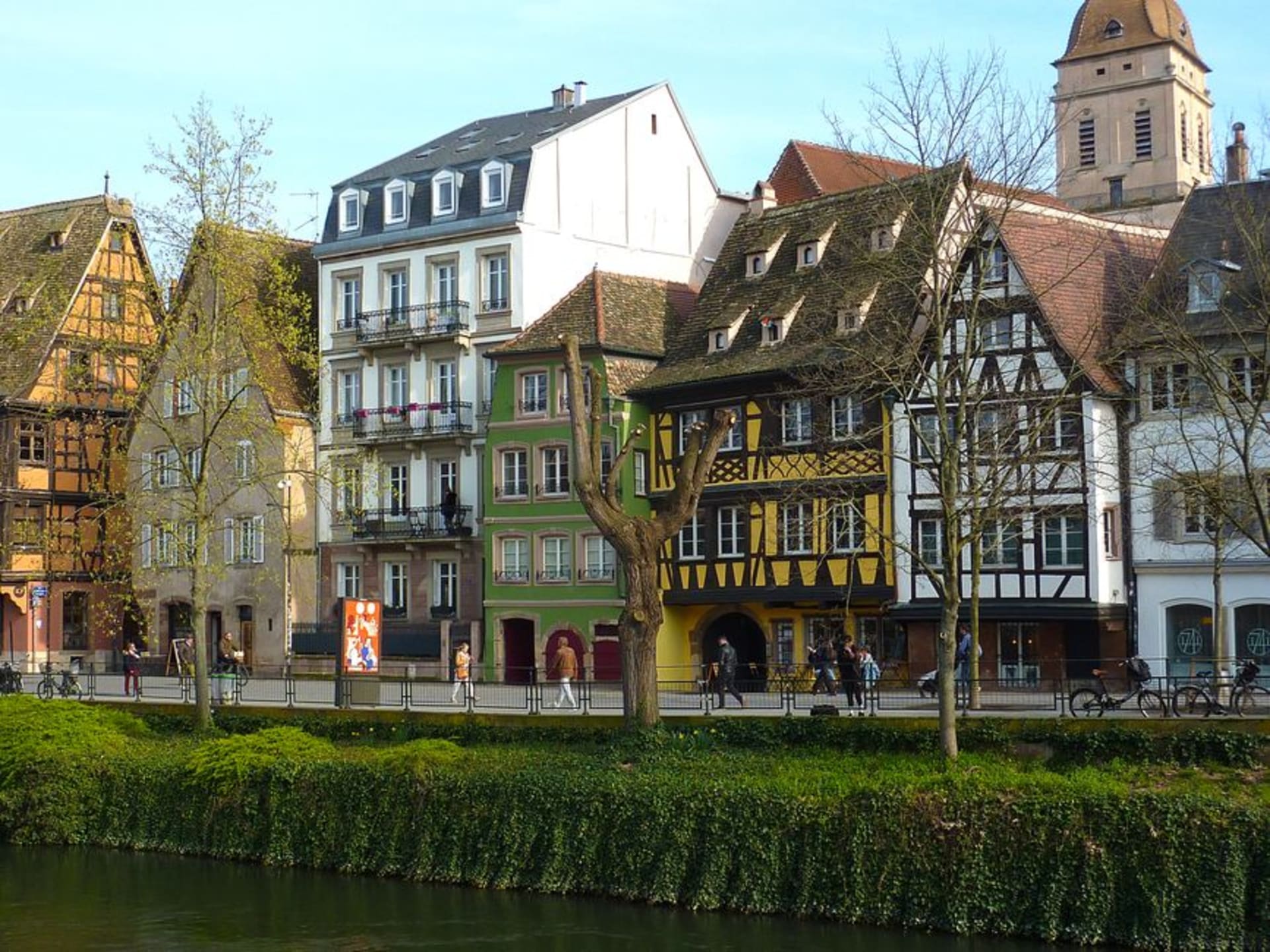
Mulhouse doesn’t get mentioned in the same breath as Colmar or Riquewihr, and honestly it shouldn’t — it’s a different kind of place entirely, a former textile and industrial powerhouse that only became French in 1798, having spent centuries as an independent Swiss-allied republic before that, which explains why its old-town architecture looks noticeably different from the timber-framed villages twenty minutes up the road. We came for one night on our way south and stayed two, mostly because Lia, who trained as an engineer before she started painting full-time, discovered the Cité de l’Automobile and refused to leave.
The Cité de l’Automobile and a collection nobody expects
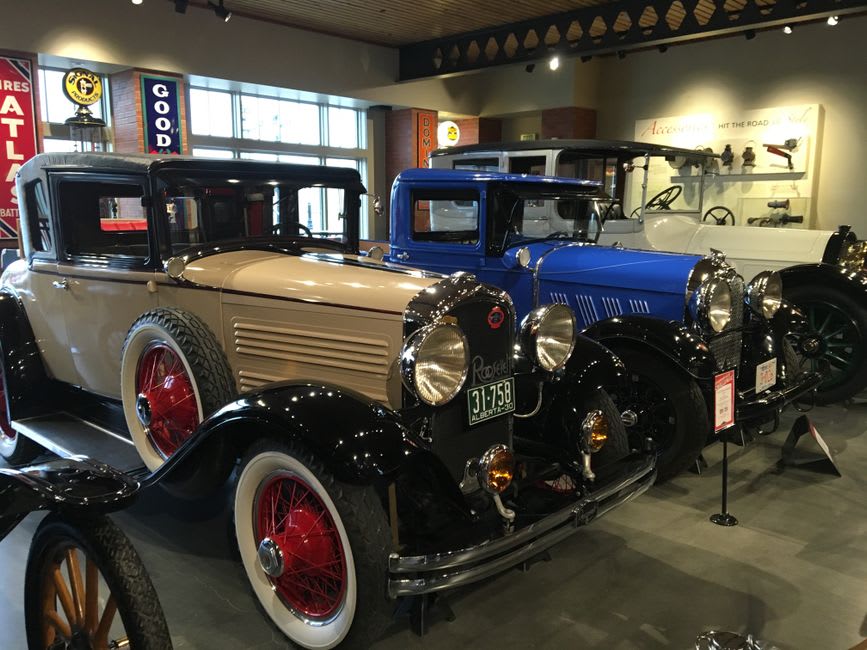
The Cité de l’Automobile houses the Schlumpf collection, assembled in near-total secrecy in the 1960s and 70s by two textile-mill brothers who quietly bought up rare cars — including the largest collection of Bugattis in the world — until their workers, unpaid for months, occupied the factory and the secret came out. Over four hundred cars sit under one roof now, arranged by era in halls lined with reproduction period lampposts, and Lia spent nearly ninety minutes in front of a single row of Bugatti Royales while I wandered off to look at the vintage Panhard-Levassors. It’s a strange, slightly melancholy story behind an extraordinary collection, and neither of us had heard of it before that day.
Place de la Réunion and a city that rebuilt itself
The old town centres on Place de la Réunion, where the Temple Saint-Étienne — a neo-Gothic Protestant church, a reminder of Mulhouse’s long Swiss Reformed history — faces the brightly painted Renaissance town hall, its facade covered in trompe-l’œil frescoes that were repainted in the nineteenth century and still look almost too vivid to be real. The square felt lived-in rather than staged: students cutting through on bikes, a farmers’ market packing up, none of the hush of the more precious wine villages. We ate dinner at a small bistro just off the square, a decent but unpretentious choucroute, and talked about how strange it was that a city this interesting gets skipped so completely by the wine-road crowd.
When to go: Any time the museums are open works — Mulhouse isn’t a seasonal town the way the wine villages are. We’d still lean toward spring or autumn, when the weather makes wandering the old town on foot more pleasant between museum visits.