Metz
"I'd only ever thought of Lorraine as somewhere you pass through. Metz made me stop thinking that."
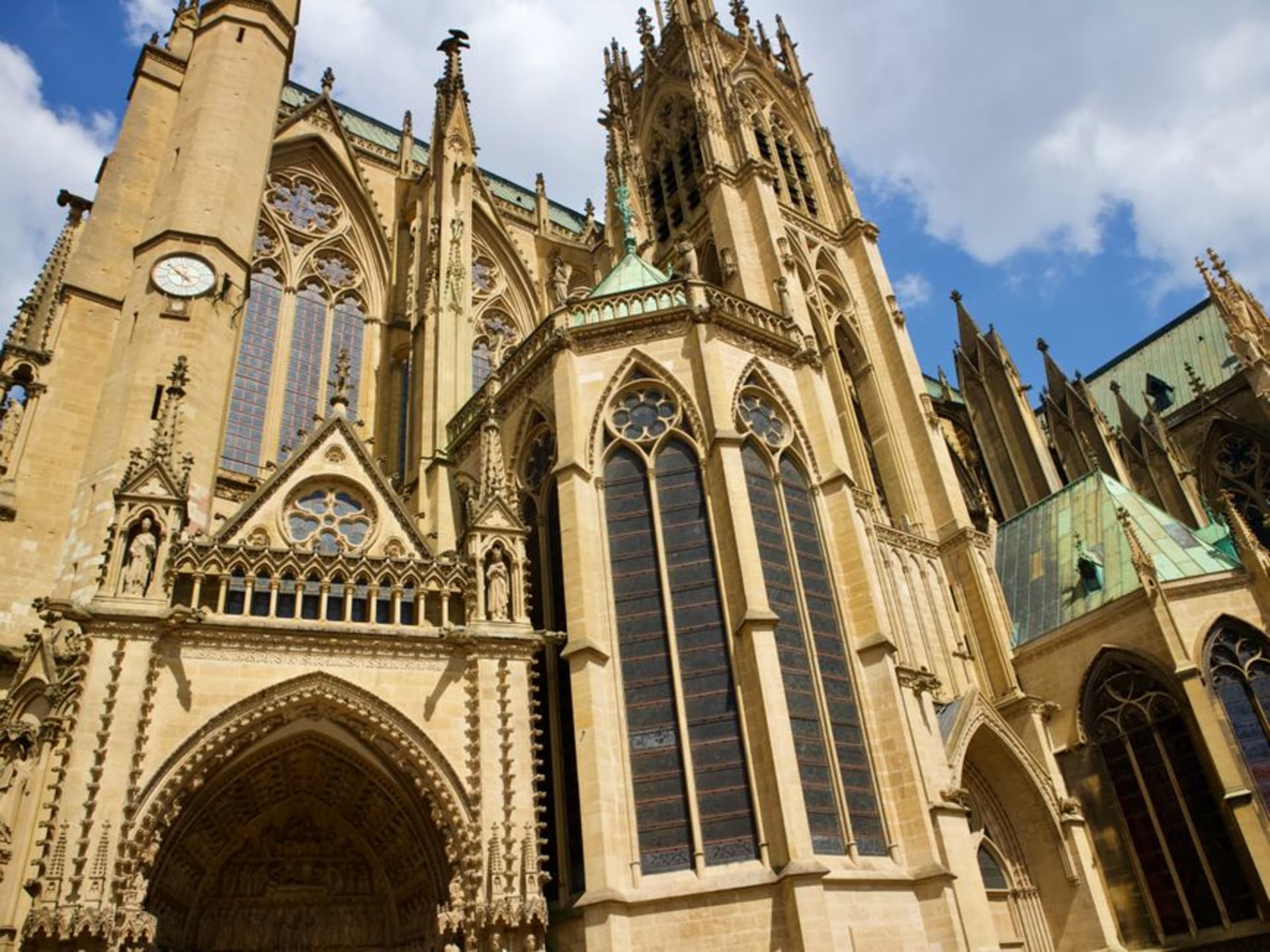
A Lorraine city built from a golden local stone, with one of the tallest Gothic cathedrals in France and a light-filled contemporary museum that changed how I think about the region entirely.
We came to Metz mostly out of logistics — a convenient stop between Paris and Strasbourg — and left having completely revised what I thought Lorraine had to offer. The city is built largely from Jaumont limestone, a local stone with a warm honey-gold colour that catches the evening light in a way I hadn’t seen anywhere else in France, and it gives even ordinary apartment blocks near the station a kind of glow that took me two days to stop photographing.
A cathedral held up by glass
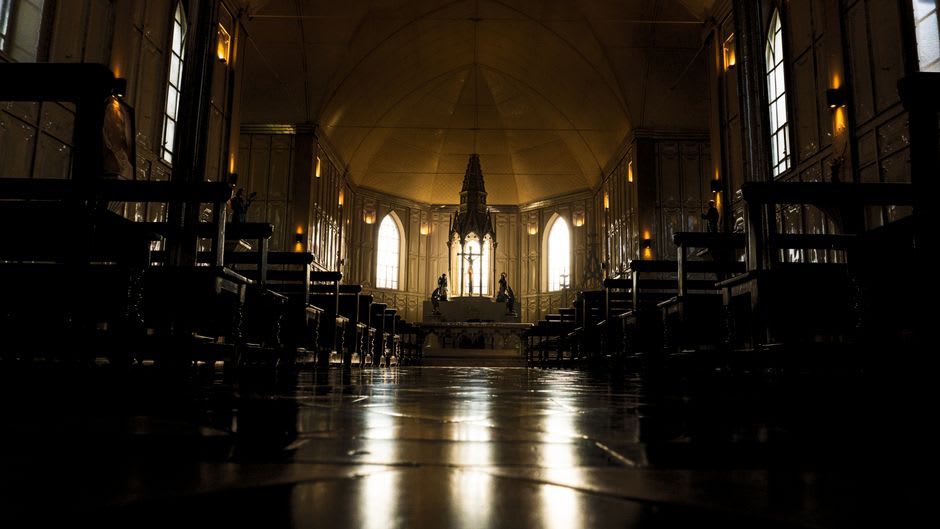
The Cathédrale Saint-Étienne is one of the tallest Gothic cathedrals in the country, its nave soaring to over forty metres, but what stopped me in the doorway wasn’t the height — it was the light. Metz Cathedral has the largest total expanse of stained glass of any cathedral in France, over six thousand square metres, including windows by Marc Chagall installed in the 1960s that sit alongside medieval and Renaissance glass without ever feeling like an intrusion. We arrived in late afternoon when the low sun was hitting the western windows directly, and the interior filled with drifting colour on the stone floor in a way that made the whole nave feel underwater. Locals call it the Lantern of God, and for the first time a nickname like that felt earned rather than marketed.
The Centre Pompidou-Metz and the new city
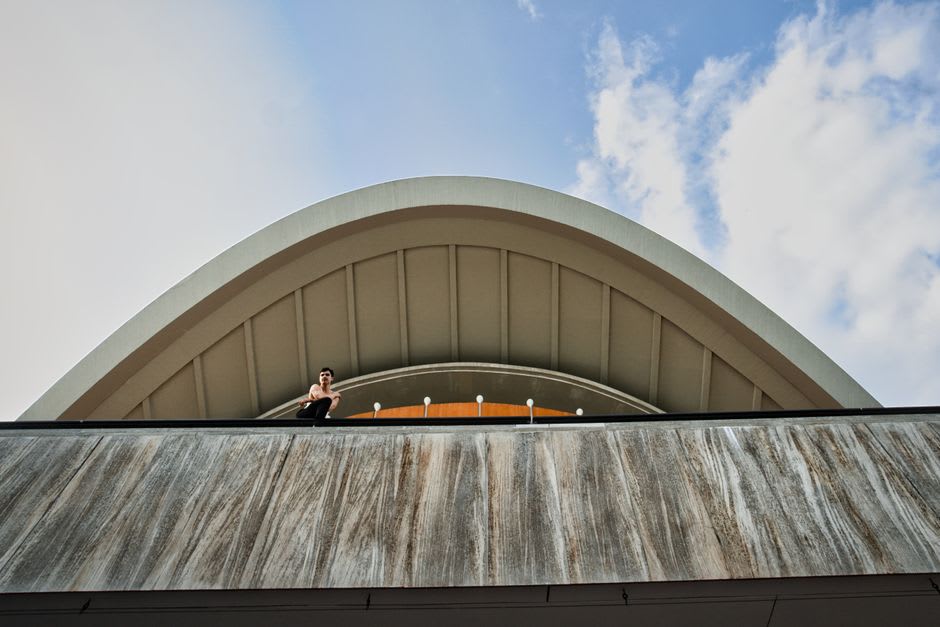
A short walk from the old town, the Centre Pompidou-Metz sits under an enormous undulating wooden roof inspired by a Chinese woven hat, and it was the first regional outpost the Pompidou ever opened outside Paris, opened in 2010 specifically to bring major contemporary art beyond the capital. We spent an afternoon there between a Kandinsky retrospective and a temporary installation neither of us fully understood but both enjoyed arguing about over coffee afterward. Walking back toward the Moselle river as the light faded, past the covered market and the golden stone of the old town, it struck me that Metz manages something rare — a genuinely old city that isn’t defensive about being genuinely new as well.
When to go: Late spring or early autumn gives the best light for the cathedral’s windows and comfortable weather for walking the old town and the riverside gardens along the Moselle.