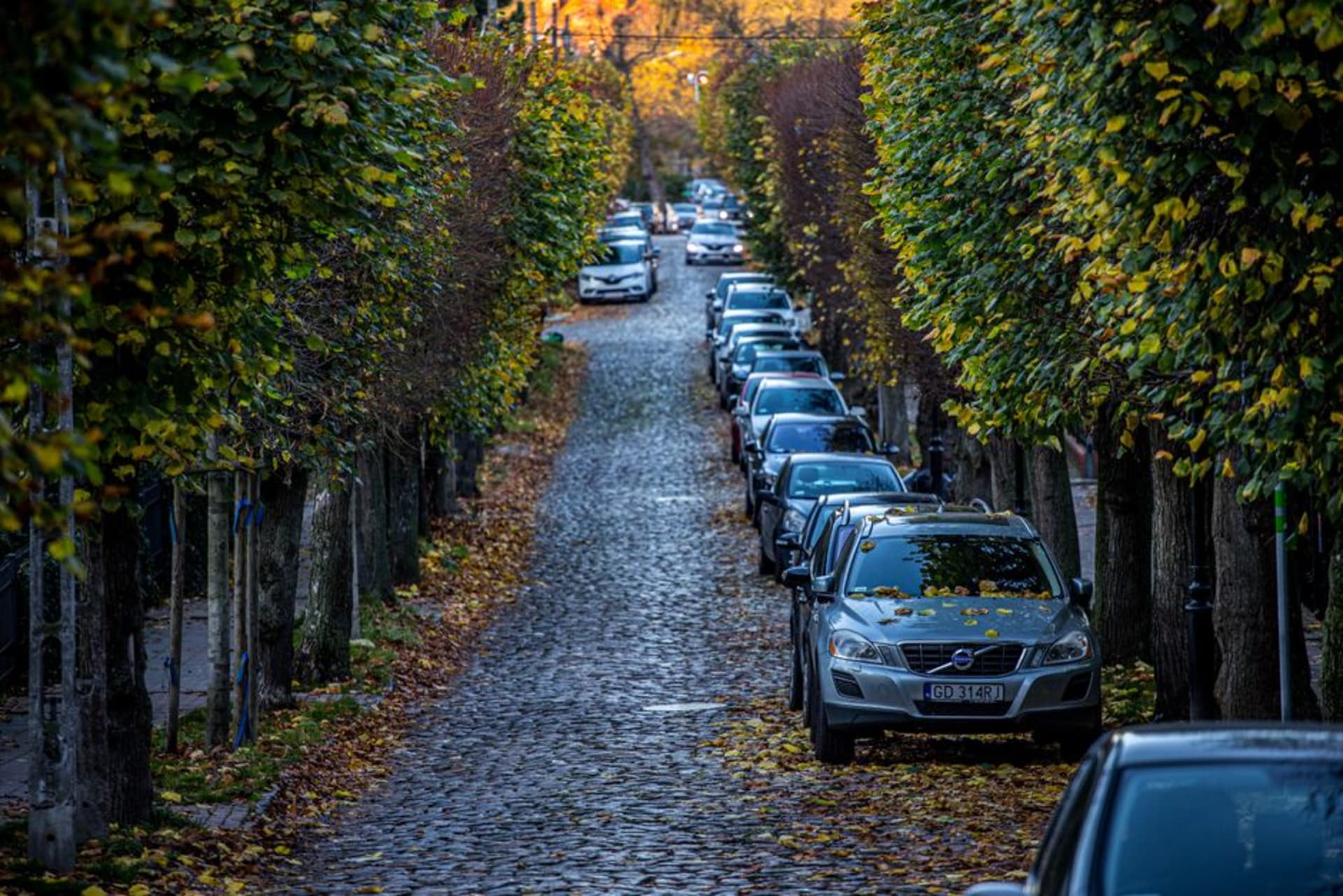
A grand thermal town in the high Pyrenees nicknamed the Queen of the Pyrenees, its wide tree-lined avenue of nineteenth-century spa buildings leading straight toward the mountain wall behind it.
Locals just call it Luchon, and the town still carries itself with a formality that dates back to when it was known as the Queen of the Pyrenees, a spa resort fashionable enough to draw European aristocracy through the nineteenth century for its sulphurous thermal waters. The Allées d’Etigny, a wide boulevard of plane trees running straight from the old thermal baths toward the mountains, was laid out in the 1760s specifically to impress arriving visitors, and it still does — Lia said it felt like walking down the spine of a town that had once thrown itself a very good party and never quite stopped.
The baths at the end of the avenue
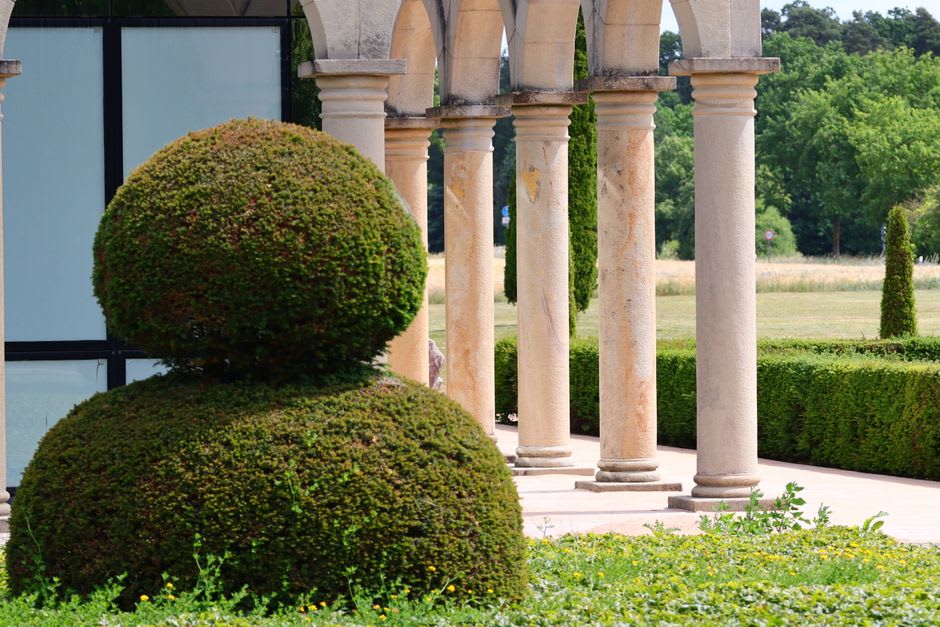
The Thermes de Luchon, at the top of the Allées, have been treating respiratory conditions with sulphur-rich spring water since Roman times — the Romans called the place Onesiorum Fontes and built baths of their own, traces of which were uncovered beneath the current establishment. The current building, all colonnades and a formal garden, looks more like a small palace than a medical facility, and even without booking a treatment we walked the gardens behind it, past a fountain where the sulphur smell was, again, unmistakable and somehow not unpleasant after a while.
A mountain town with a racing pedigree
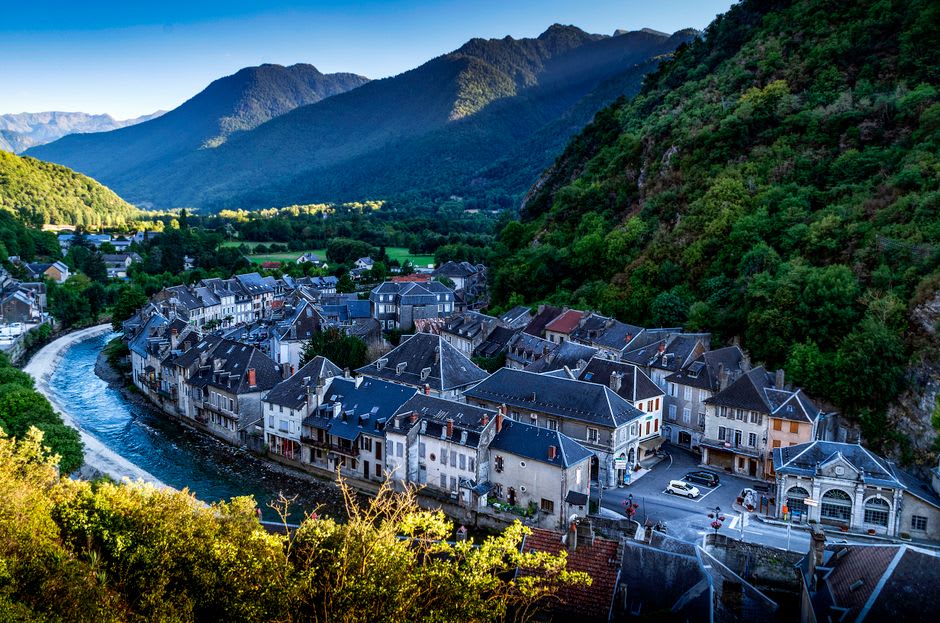
Luchon has hosted the Tour de France more times than almost any other Pyrenean town, sitting at the foot of the brutal Port de Balès and Peyresourde climbs that regularly break the race apart. We didn’t cycle either — Lia has firmly banned me from attempting mountain passes on a rented bike after an incident in the Alps I’d rather not relitigate — but we drove partway up the Superbagnères road above town for the view: Luchon laid out in its green valley, ringed by peaks that stay snow-capped well into June.
When to go: Summer for the spa town’s full formal charm and access to the surrounding cols; winter turns Luchon into the gateway for the Superbagnères ski station just above it.