Les Eyzies
"Standing in front of that painted horse, I stopped thinking about the trip and started thinking about the species."
A small riverside town under limestone cliffs riddled with prehistoric caves and painted shelters, often called the capital of prehistory, where you can stand in front of art made by people forty thousand years before us.
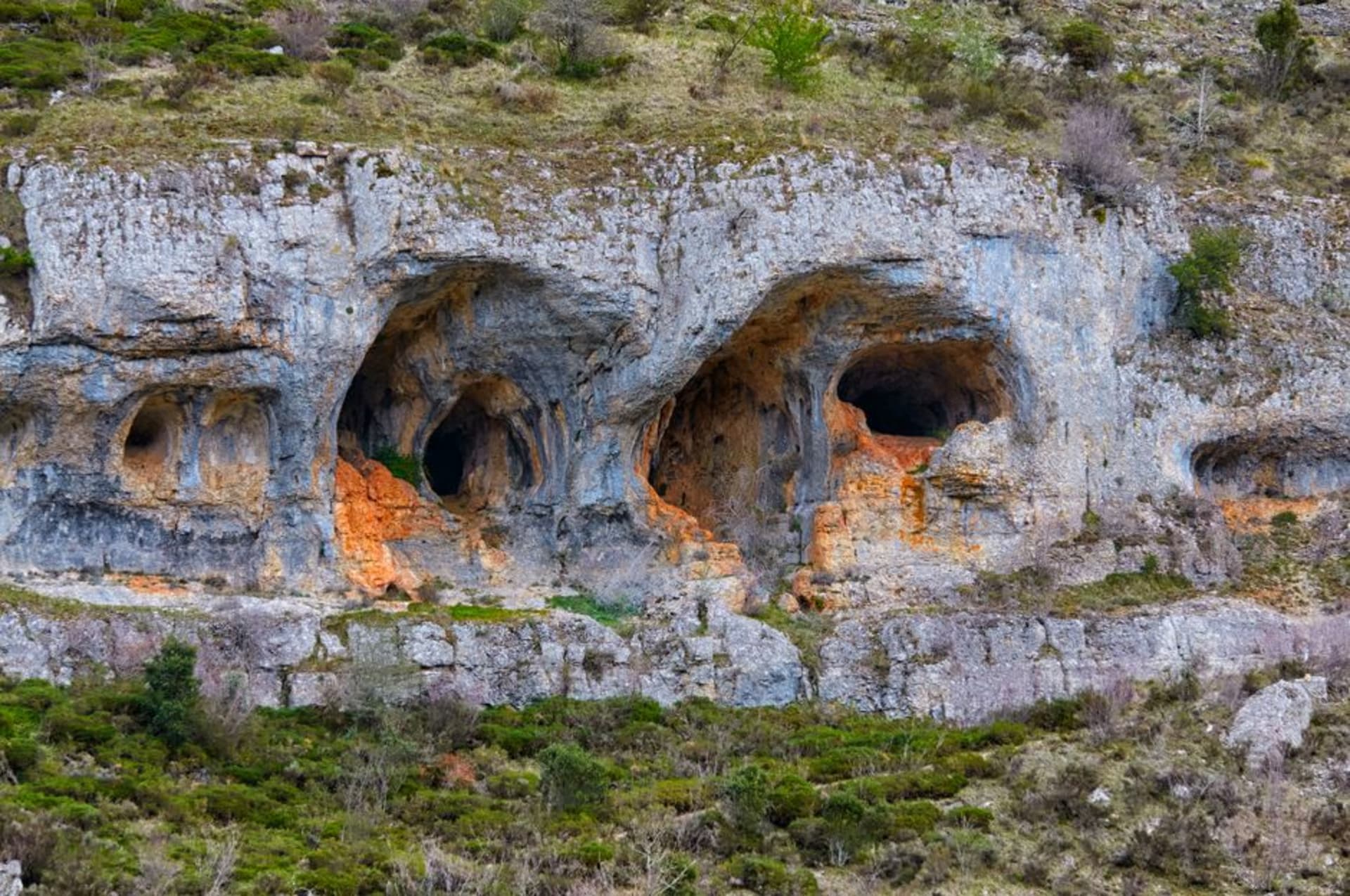
Les Eyzies calls itself the capital of prehistory, a bold claim for a small town of a few thousand people, but it earns it — this stretch of the Vézère valley has more prehistoric sites per square kilometre than almost anywhere on earth, and the limestone cliffs that line the river are pocked with caves and rock shelters that were in continuous use by early humans for tens of thousands of years. Lia and I came expecting a museum stop and left having spent two full days here, which neither of us had planned for.
The valley that rewrote human history
It was in this valley, in 1868, that a rock shelter excavation turned up skeletal remains that gave their name to an entire type of early modern human: Cro-Magnon, found at a site now just a short walk from the town center, marked today by a small monument rather than any dramatic display. The discovery, alongside a string of others made in the surrounding cliffs over the following decades, established the Vézère valley as a foundational site for the entire discipline of prehistoric archaeology — much of what we now understand about Upper Paleolithic life in Europe was first pieced together here.
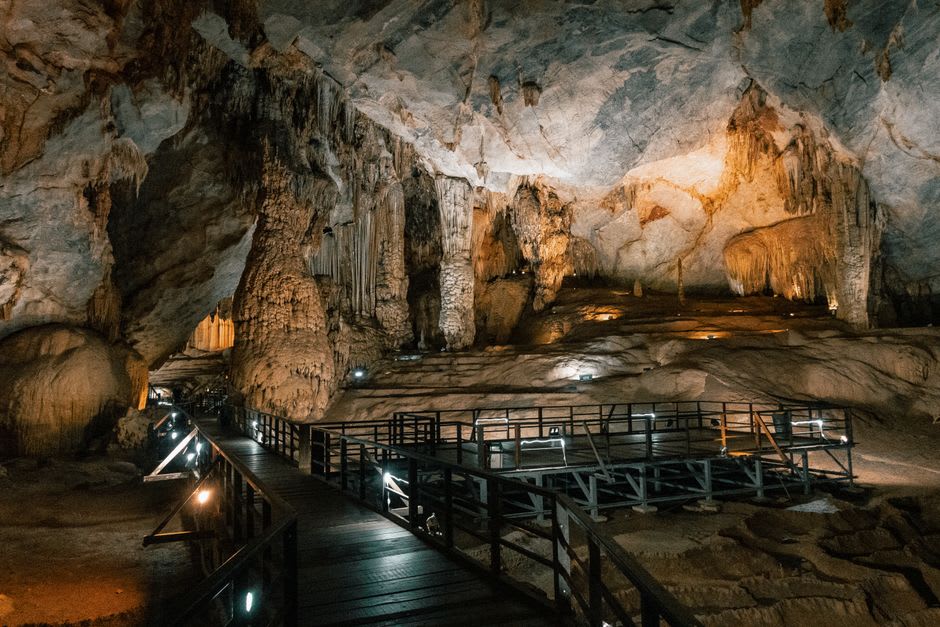
We spent a morning at the Abri du Poisson, a small rock shelter containing a carved relief of a fish, one of the oldest depictions of a fish known in prehistoric art, and then at the Grotte du Grand Roc, a cave less famous for painting than for its extraordinary formations — needle-thin stalactites and crystalline growths that took tens of thousands of years to form, lit to dramatic effect along a narrow walkway.
Standing in front of forty-thousand-year-old art
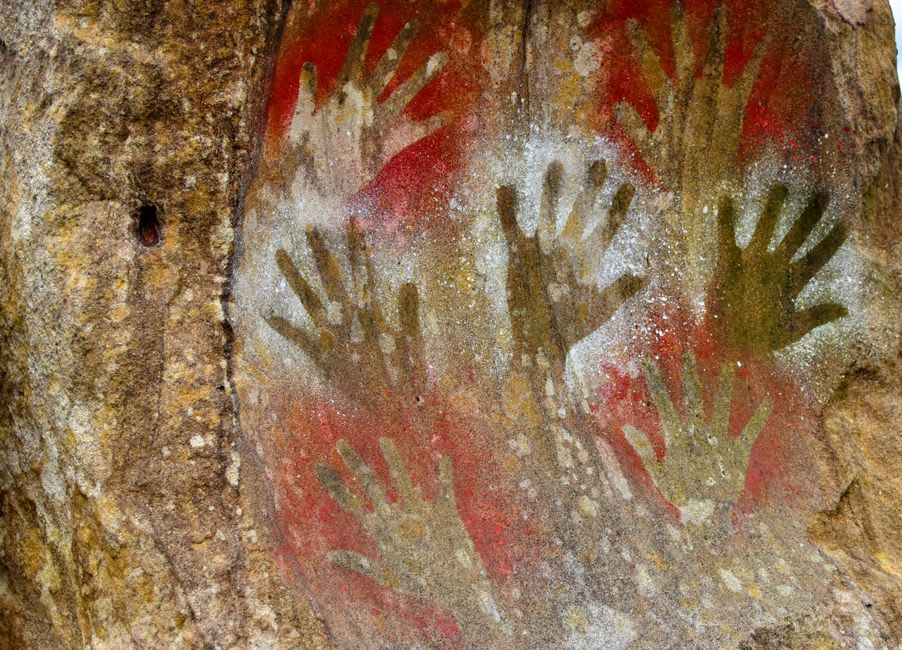
The real reason to come, though, is the painted caves, and since the original Lascaux was closed to the public decades ago to preserve it from the damage visitor breath was causing, most people now visit Font-de-Gaume instead, a genuine original cave a short drive from town, one of the last painted caves in Europe still open with restricted daily visitor numbers. Standing a few metres from a painted bison rendered with real anatomical understanding of how light falls across a shoulder, made by someone roughly seventeen thousand years ago, was one of the most disorienting experiences of my life — not because it was old, but because it was clearly, unmistakably good, made by a person who understood how to draw.
We finished the second day at the Musée National de Préhistoire, built directly into the cliff above town, walking through cases of tools and carved bone ornaments before stepping out onto the museum’s terrace for a view straight down the valley we’d spent two days exploring.
When to go: Book Font-de-Gaume and any other original painted cave well in advance — daily visitor numbers are strictly capped to protect the art, and slots fill up especially fast in summer. Spring and autumn give you a better shot at last-minute tickets.