Grasse
"I can now, apparently, identify a top note. Lia says this makes me insufferable at dinner."
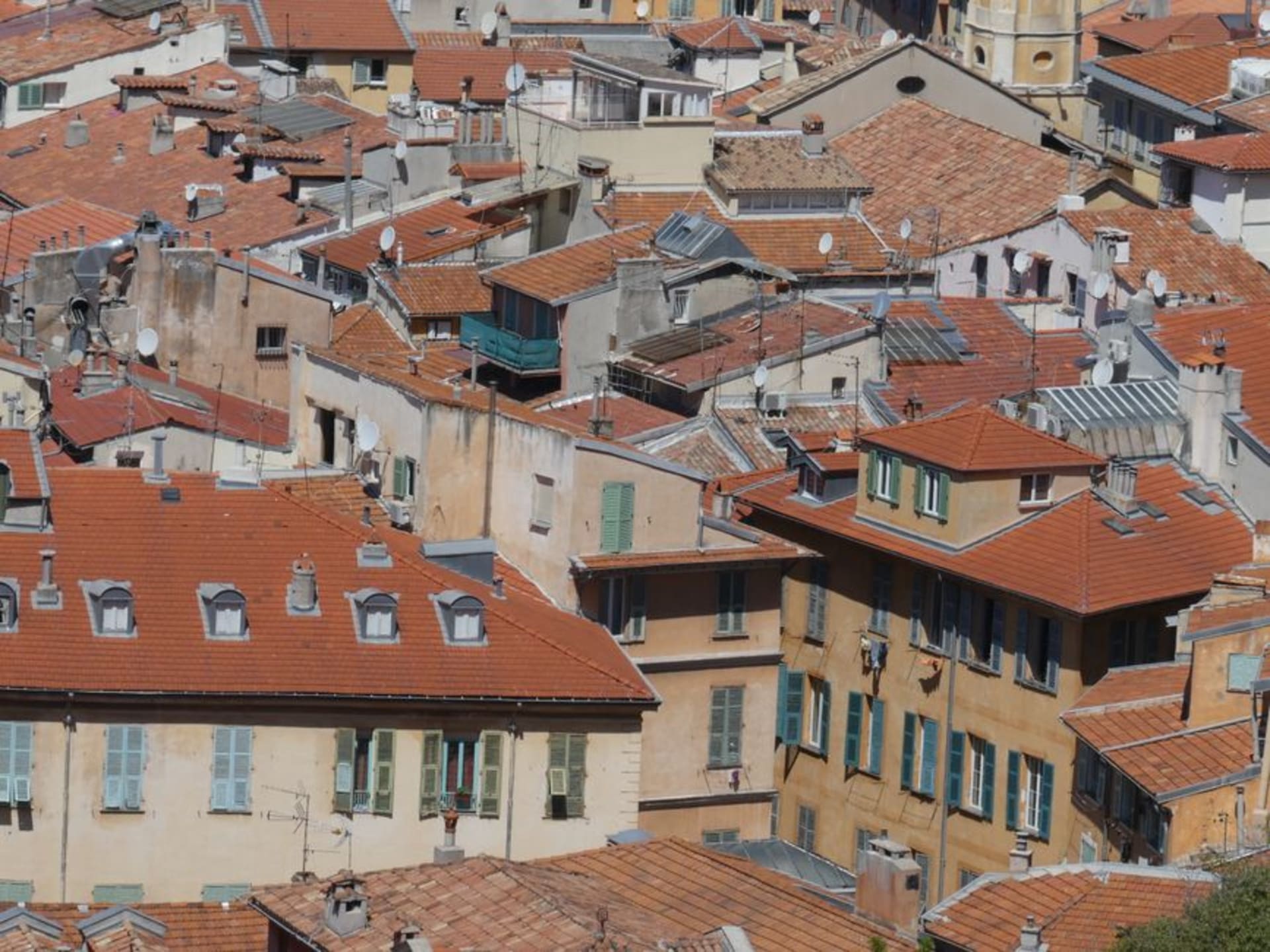
The self-declared perfume capital of the world, a hill town above Cannes where the air smells faintly of jasmine and three historic houses still blend scent the old way.
Grasse sits in the hills above Cannes, close enough that you could see the coast from the higher streets on a clear day, and it has built its entire identity around a smell — jasmine, mostly, along with rose and tuberose, grown on the terraced fields around town since the sixteenth century, when the local tanning industry started perfuming its gloves to cover the smell of leather and accidentally invented an entire industry.
Three houses, one very old craft
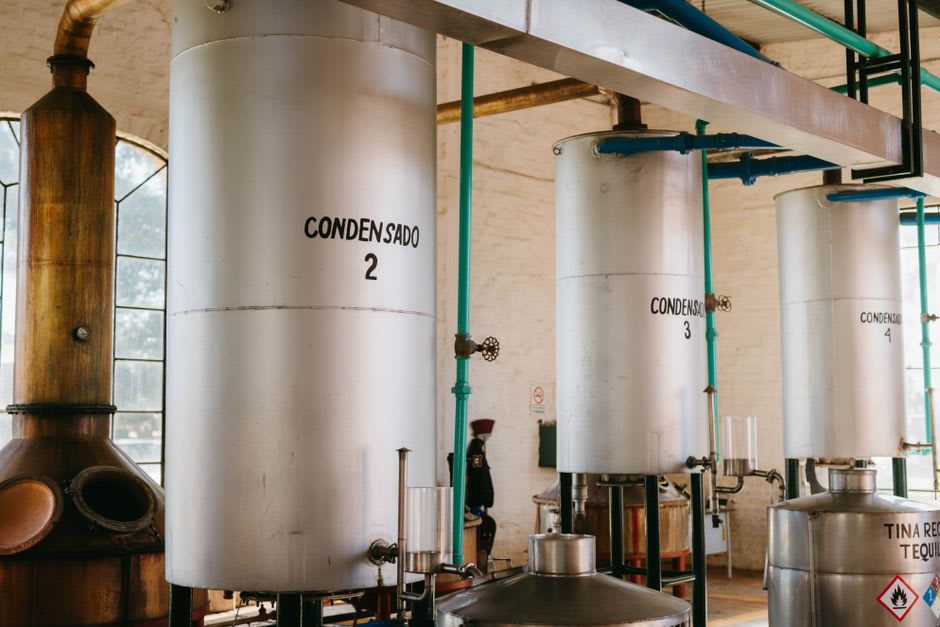
Three historic perfume houses — Fragonard, Molinard, and Galimard — still operate factories in Grasse open to visitors, and we chose Fragonard’s, mostly because it was closest, for a tour through the old distillation rooms: copper alembic stills, racks of essential oils, a room of workers’ noses trained over decades to identify individual ingredients blind. Our guide, a woman who had clearly given this tour several thousand times, still lit up describing the difference between a rose grown here and one grown anywhere else.
Building your own bottle, badly
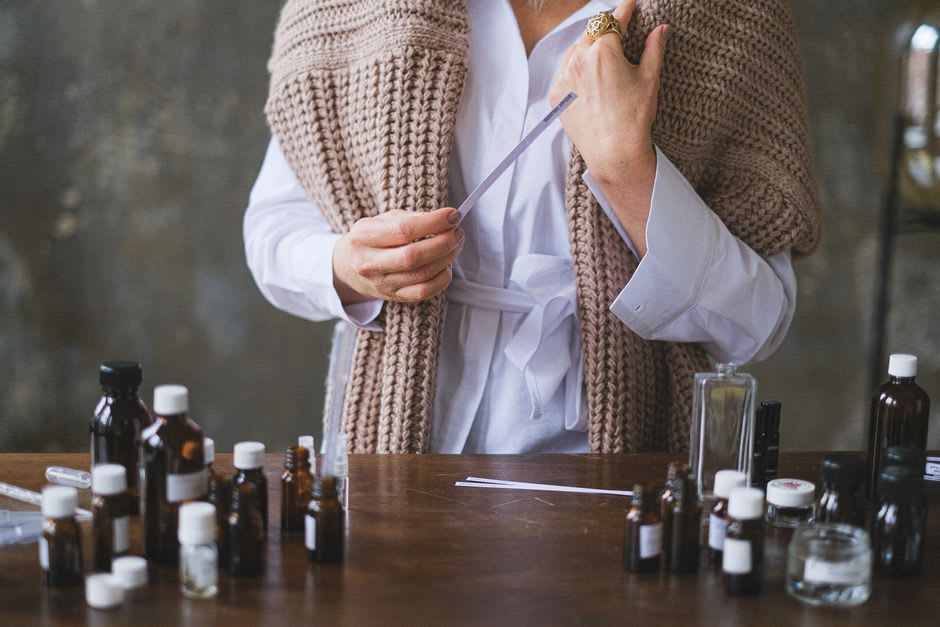
At the International Perfume Museum, we tried a “create your own fragrance” workshop that I will describe charitably as humbling — presented with dozens of labelled scent strips and asked to build a composition from top, heart, and base notes, I produced something our instructor described, with visible restraint, as “bold,” while Lia somehow built something genuinely wearable in under an hour. I have never let her forget how she has never let me forget it either.
When to go: Early May, if you can time it with the jasmine and rose harvest — pickers work the fields at dawn before the heat degrades the petals’ oil, and a few farms allow visitors to watch. Otherwise any season works for the factory tours themselves.