Giverny
"I've never stood in front of a real place and felt like I was looking at a painting instead."
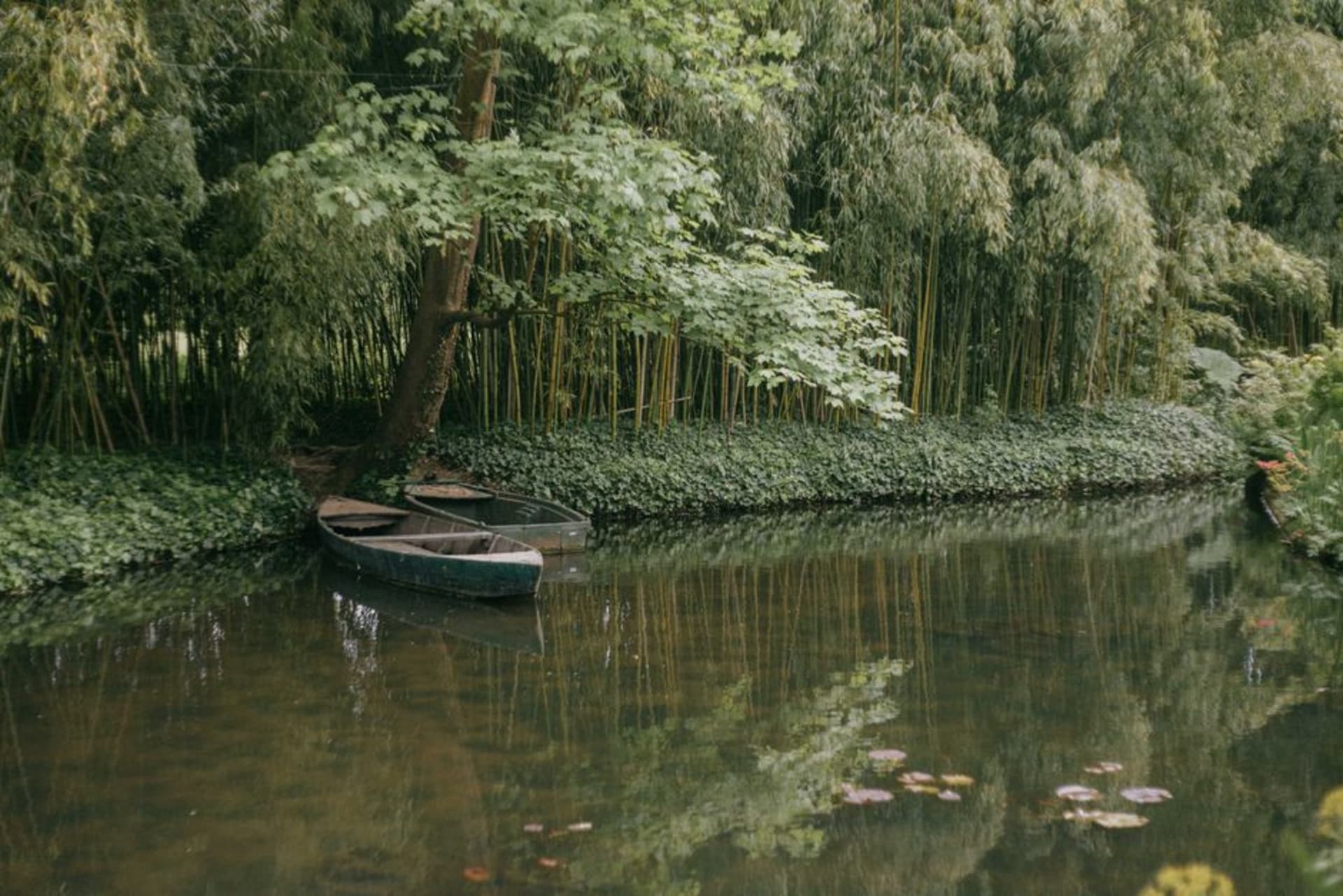
The village where Monet built his own garden to paint, and where the water lily pond still looks so much like the canvases that Lia kept checking the water for brushstrokes.
Giverny is a small village on the Seine between Rouen and Paris, and it exists, as far as most visitors are concerned, entirely because Claude Monet moved there in 1883, fell in love with the light and the land, and spent the next forty-three years building and rebuilding a garden specifically so he could paint it. Lia and I went in early summer, when the water lilies were at their fullest, and the strange experience of the place is that you keep recognising it — not from having been there, but from having seen the paintings a hundred times.
A garden designed like a painting
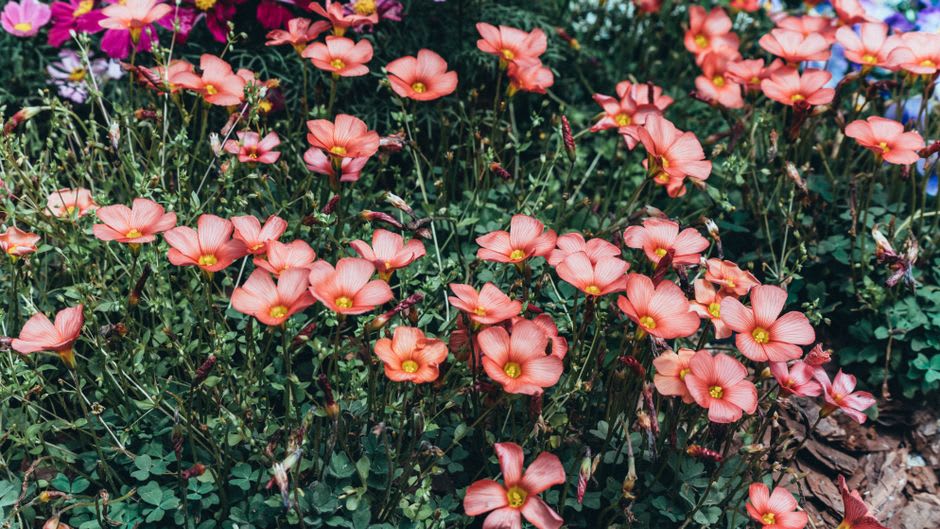
Monet’s house and garden are laid out in two distinct halves. Closest to the house is the Clos Normand, a formal but densely overplanted flower garden arranged in long beds of clashing, deliberately layered colour that Monet apparently redesigned constantly, treating the plant beds themselves as compositions the way he’d treat a canvas. Across a small road, reached through a tunnel he had built specifically so he wouldn’t have to cross traffic, is the water garden — the pond, the willows, the wisteria-draped green Japanese bridge, all fed by a diverted branch of the Epte river that Monet petitioned local authorities for years to be allowed to redirect onto his land. Standing at the pond’s edge, lily pads drifting in loose clusters exactly like they do in the paintings, felt less like sightseeing than like walking into one.
The house Monet filled with colour and Japanese prints
Monet’s house itself, a long pink stucco building with green shutters, is kept much as it was in his lifetime, its rooms painted in bold, specific colours he chose deliberately — a butter-yellow dining room, a blue kitchen — and hung with his extensive collection of Japanese woodblock prints by artists like Hiroshige and Hokusai, which clearly influenced both his garden design and his late compositional style. We walked through slowly, matching the yellow dining room to photographs of Monet hosting dinners there for Cézanne, Rodin, and other friends, then went back out to the pond for a second, quieter look once the tour groups had thinned out toward closing time.
When to go: Visit between May and July for the water lilies at their peak and the garden at its most layered. Go early on a weekday morning if possible — Giverny is one of the most visited sites in Normandy and the paths around the pond get genuinely congested by midday in summer.