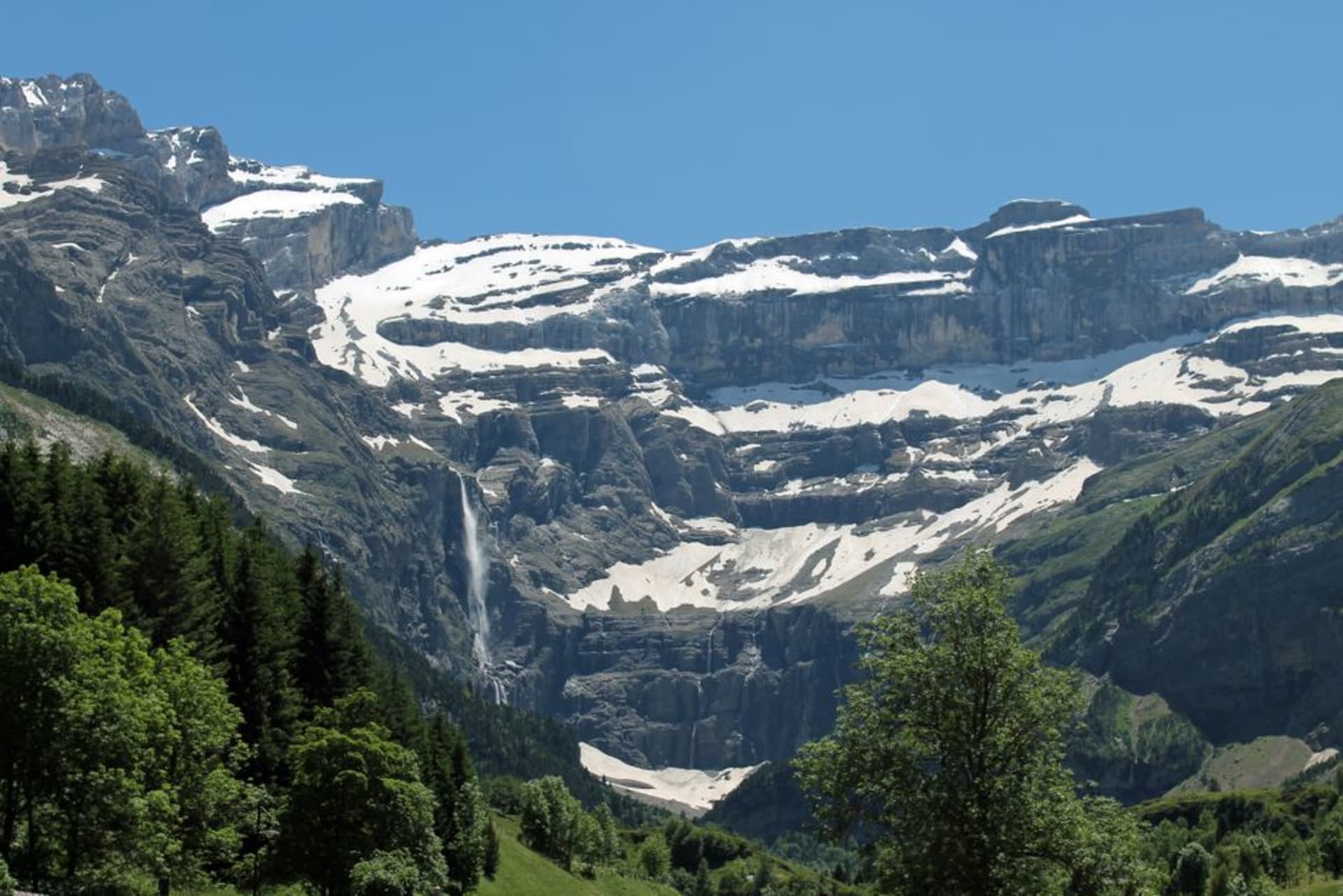
Gavarnie
"Victor Hugo called it nature's Colosseum, and for once the famous writer wasn't exaggerating."
A tiny mountain village in the high Pyrenees that exists mostly as a staging post for the Cirque de Gavarnie, a natural amphitheatre of cliffs and waterfalls that Victor Hugo called the Colosseum of nature.
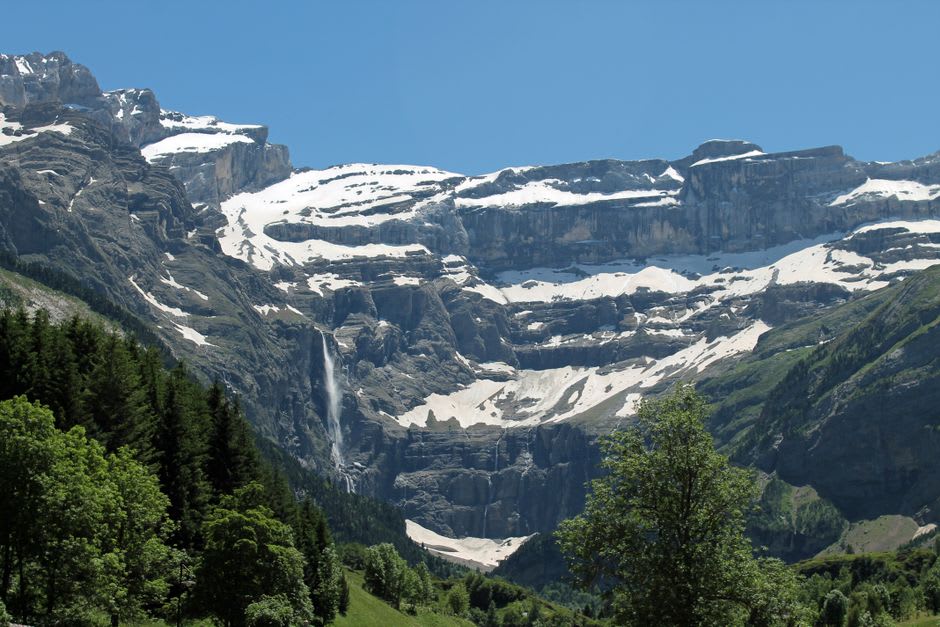
Gavarnie itself is barely a village — a scattering of stone houses, a church, a few hotels that smell faintly of wet wool and woodsmoke, and a lot of mules waiting patiently by hitching posts for tourists who’d rather ride than walk. Nobody comes for the village. They come for what’s behind it: the Cirque de Gavarnie, a three-kilometre wall of limestone cliffs rising nearly 1,500 metres, streaked with more than a dozen waterfalls including the Grande Cascade, the highest waterfall in France at 423 metres. Victor Hugo saw it in 1843 and called it “the Colosseum of nature,” which I assumed was writerly overstatement until I stood at the base of it myself.
The walk in
The path from the village to the base of the cirque is about five kilometres round trip, gently uphill, following the Gave de Gavarnie through pastures where horses graze loose and unbothered by hikers. Lia and I passed on the mules — partly principle, partly because the ride looked more nerve-wracking than the walk — and made it to the Hôtellerie du Cirque, a stone refuge at the foot of the amphitheatre, in about ninety unhurried minutes. The scale only becomes real up close: the waterfalls that looked like thin white threads from the village were, from here, audibly roaring.
A frontier village with a fortified past
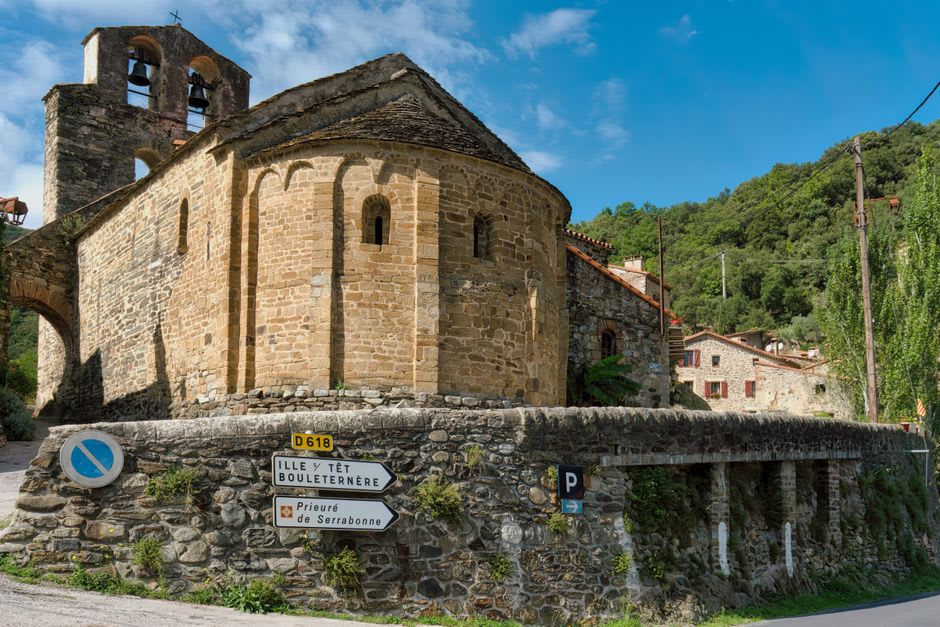
Gavarnie’s little Romanesque church, dedicated to Saint John the Baptist, was once run by the Knights of Malta and used to shelter pilgrims and travellers crossing into Spain over the nearby Port de Boucharo, a pass just a few kilometres beyond the cirque. Inside, seven crescent-shaped shields hang on the wall, said to have been taken from Saracen raiders in the Middle Ages — a detail the local guide told us with a straight face and a look that suggested he’d told a lot of tourists this story before and expected a reaction.
When to go: June to September gives you open trails and the waterfalls at their fullest from snowmelt; outside that window the pass and upper paths are often snowbound.