
Paris is the city I grew up near, the city I studied in, the city I left for Mexico — and the city that rearranges itself in my memory every time I return. I thought I knew it. I was wrong. You cannot know Paris; you can only accumulate versions of it, each contradicting the last and all of them true. The Paris of my teenage years — sneaking into jazz clubs in the 11th, eating kebabs at 2am on Rue Oberkampf — is not the Paris of my twenties, and neither is the Paris I see now when I step off the plane at CDG with the eyes of someone who has been gone long enough to notice what he used to take for granted.
The Left Bank is where I spent my university years, and it still feels like intellectual territory. The bookshops along the Seine — Shakespeare and Company, yes, but also the bouquinistes with their green stalls and their improbable survival in the age of Amazon — are not tourist attractions to me. They are the places where I bought paperbacks I could not afford with coins scraped from the bottom of my bag. The Jardin du Luxembourg is where I studied for exams and failed to study for exams, depending on the weather and the company. The café on the corner of Rue de Médicis still serves the same croque-monsieur.

Montmartre remains the village it has always been — steep streets, the Sacré-Coeur gleaming white above, the Place du Tertre crowded with portrait artists. But walk five minutes north and you are in the real Montmartre: Algerian restaurants on Rue Myrha, the Marché de la Chapelle on Wednesdays, the Paris that does not appear in travel magazines but that feeds and houses the people who actually live here. The 18th arrondissement is the most diverse neighborhood in France, and it is magnificent.
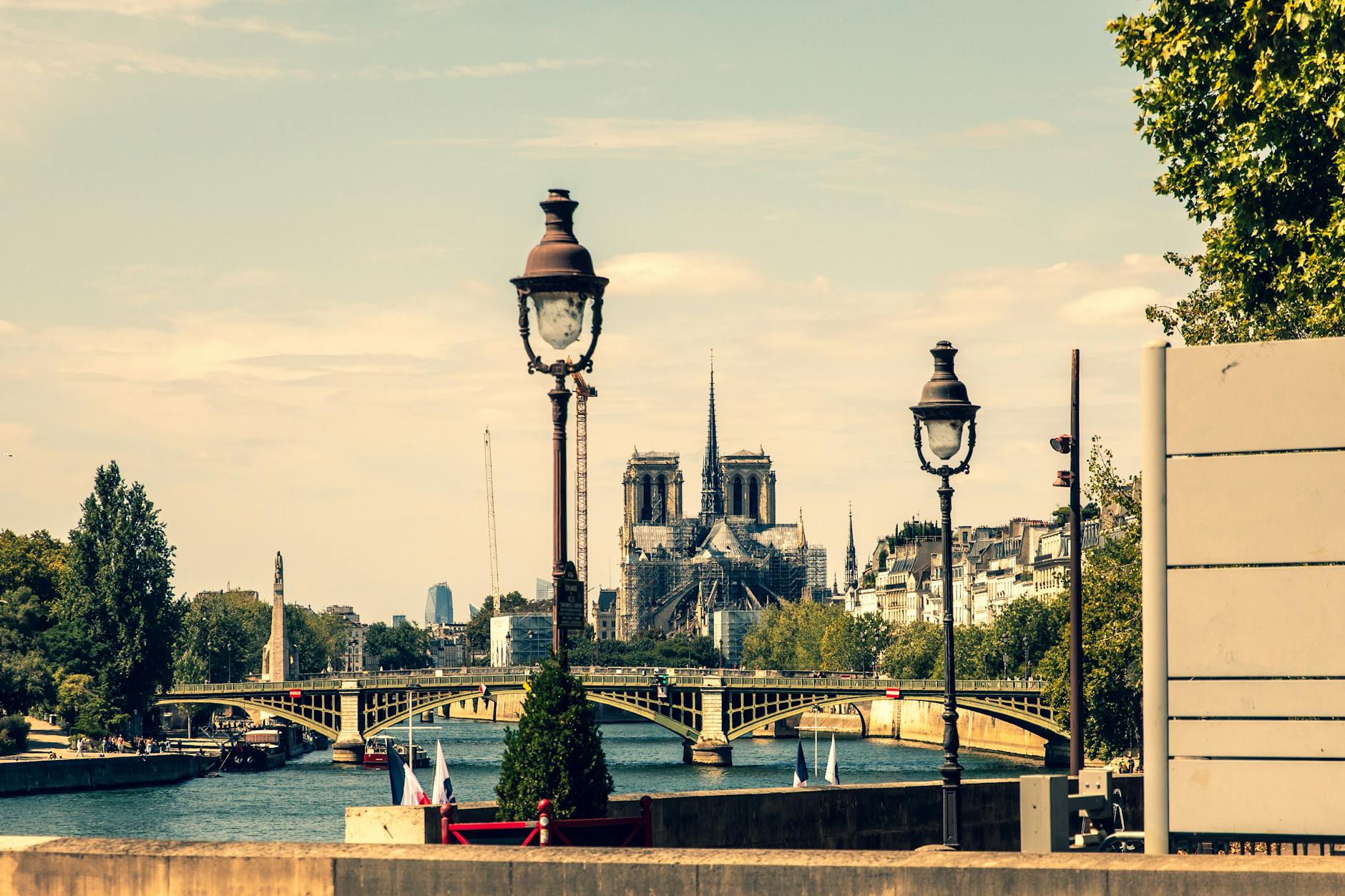
The Marais has transformed since I was a kid — it was the Jewish quarter, then the gay quarter, and now it is the boutique-hotel-and-concept-store quarter. But the falafel at L’As du Fallafel on Rue des Rosiers is unchanged, the Place des Vosges remains the most beautiful square in France, and the Musée Carnavalet — the museum of Parisian history, free, magnificent, and mysteriously uncrowded — is still one of the best afternoons you can spend in any city on earth.
What I tell people now, from the distance of Mexico, is this: do not try to see Paris. Try to live in it, even for three days. Buy bread in the morning. Sit in a park. Eat dinner at 9pm. Walk home along the Seine. The monuments are extraordinary, but the city is the life between them — and that life is still, despite everything, the most elegant daily existence any city has figured out.
When to go: April to June, or September to October. August is when Parisians leave — the city empties and many restaurants close. December has the Christmas markets and a particular grey-sky beauty that I find irresistible, but I am biased.