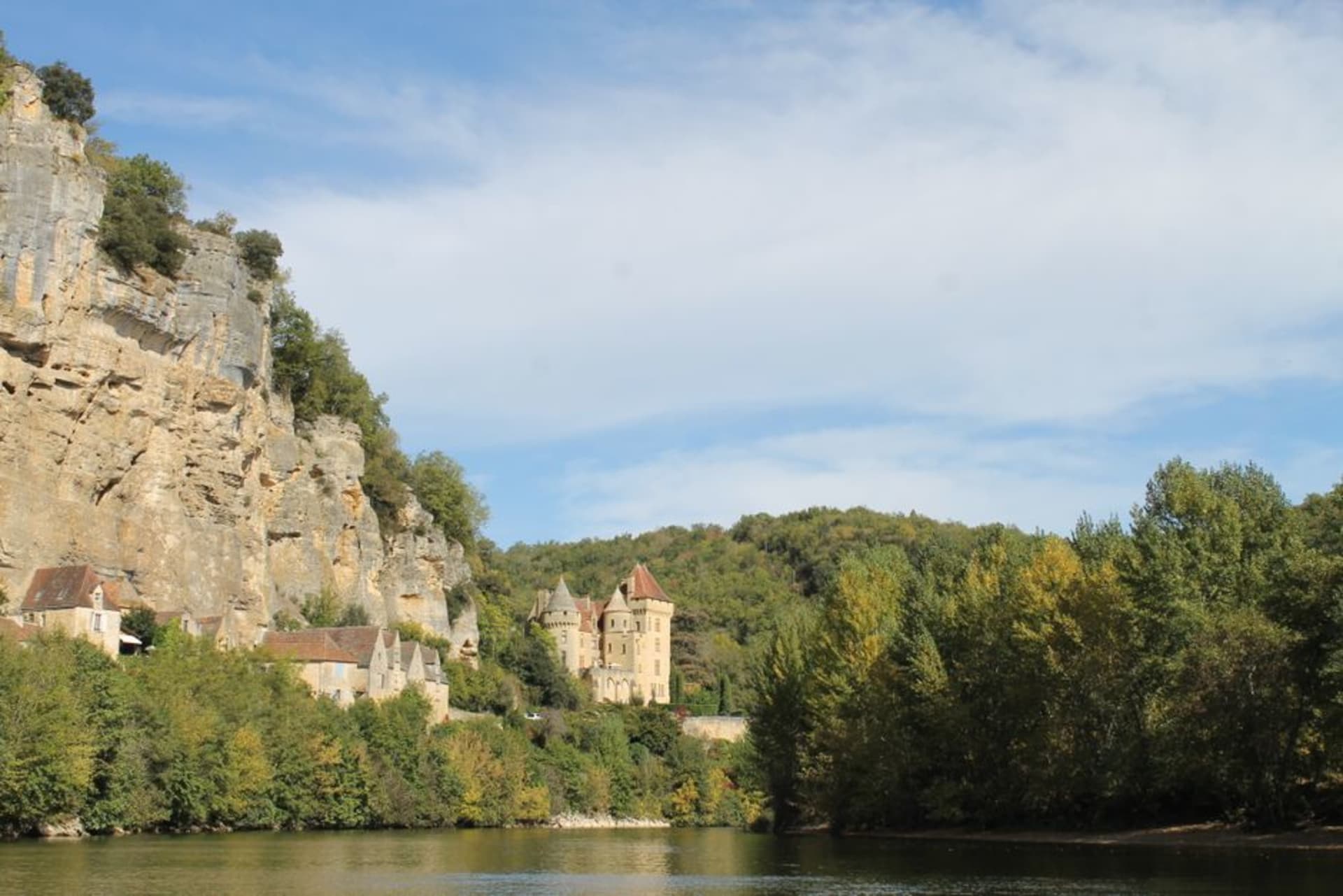
Foix
"You can see the castle from almost anywhere in town, which is exactly the point it was built to make."
A market town in the Ariège foothills of the Pyrenees, dominated by three stone towers of a medieval castle perched on a rock above the river, once the seat of the counts of Foix.
The Château de Foix is impossible to miss from anywhere in town, which was the whole idea when the counts of Foix built it on its rocky spur centuries ago — a statement to anyone approaching up the Ariège valley that this was not a place to be trifled with. Gaston Fébus, the most famous of the counts, ruled from here in the fourteenth century and is remembered locally with a mix of pride and mild horror, since he was also reputed to have killed his own son in a fit of temper. History in this part of France rarely comes without a footnote like that.
Climbing the rock
The walk up to the castle from the old town takes maybe fifteen minutes, switchbacking through scrubby pine before opening onto the base of the three towers, two square and one round, each built in a different century as the counts kept adding to their defences. Inside, the museum covers Ariège’s history from prehistoric cave art through the medieval Cathar period — this whole region was a Cathar stronghold before the Albigensian Crusade ground through it — but the real draw is the view from the ramparts: the old town’s red roofs, the Ariège curling below, and the first real folds of the Pyrenees rising to the south.
The old town below
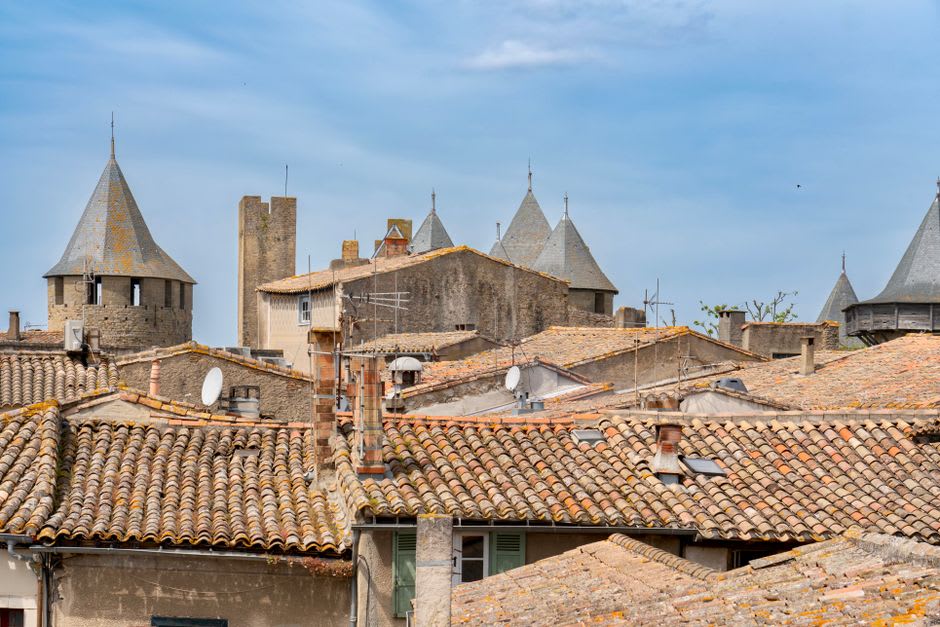
Down at river level, Foix’s old town is compact and unfussy — half-timbered houses along narrow streets, a Saturday market that spills across the main square with Ariège cheese, honey, and the region’s dark mountain sausage, and the Église Saint-Volusien, a much-rebuilt church with a stark, almost fortress-like exterior. We sat by the river with a coffee and watched the castle’s reflection break apart in the current, which felt like a fair way to spend an hour after the climb.
When to go: Spring through early autumn suits Foix best, with the Saturday market and castle both at their liveliest; the surrounding Ariège valleys are also a good jumping-off point for cave visits nearby.