Fécamp
"I did not expect a liqueur distillery to be the most extravagant building on this entire coast, and yet."
A working fishing port on the Alabaster Coast that quietly hides a Renaissance-revival palace built entirely to store the recipe for a herbal liqueur.
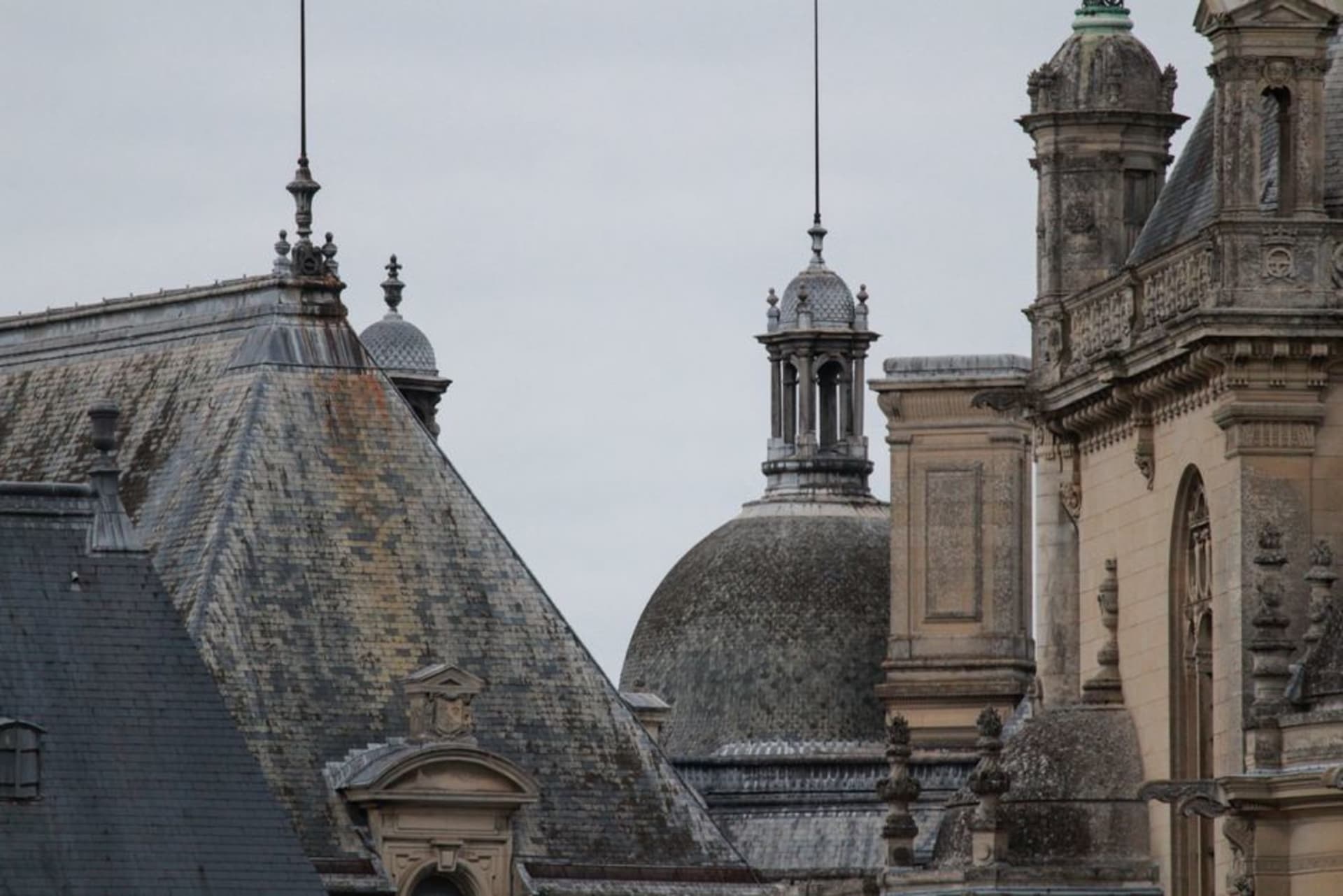
Fécamp doesn’t try particularly hard to be pretty, and I mean that as a compliment. It’s a real fishing port, once one of France’s largest cod-fishing bases with boats sailing all the way to Newfoundland, and the harbour still smells like a working harbour. Then you turn a corner near the town centre and the Palais Bénédictine appears, an absurd, gorgeous, turreted Renaissance-revival building that looks like it wandered off from the Loire Valley and got lost on the Normandy coast.
A palace built for a secret recipe
The Palais Bénédictine was built in the 1880s by Alexandre Le Grand, a local wine merchant who had rediscovered an old herbal liqueur recipe supposedly developed by Benedictine monks at Fécamp’s abbey in the 16th century and lost after the French Revolution. Rather than build a discreet factory, he commissioned an extravagant neo-Gothic and neo-Renaissance palace to house both the distillery and his personal art collection, blending industrial production with public spectacle in a way that felt, walking through it, genuinely ahead of its time. The recipe itself — a blend of twenty-seven plants and spices, distilled and aged — is still known to only a handful of people, and the tour ends, sensibly, at a tasting bar. We left with a bottle we still haven’t fully worked out how to use beyond sipping it neat after dinner.
Cliffs, an abbey, and cod that crossed an ocean
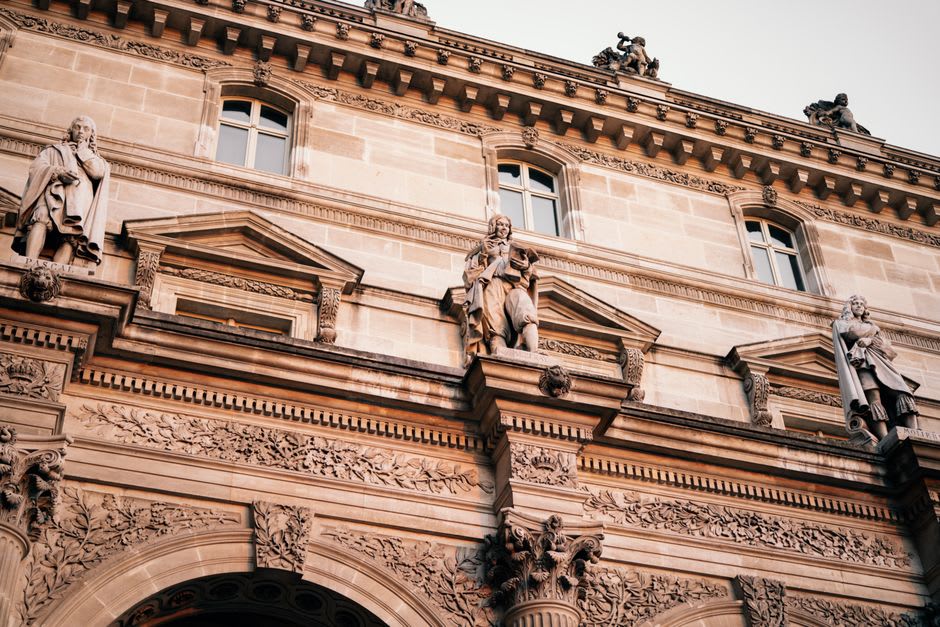
Above the town, the Falaise d’Amont climbs to a small chapel and a monument to sailors lost at sea, and the view from up there takes in the whole curve of the harbour and the chalk cliffs stretching east toward Étretat. Fécamp’s other claim to history is the Abbatiale de la Trinité, a soaring Romanesque and Gothic abbey church that once held a relic believed to be drops of Christ’s blood, drawing pilgrims for centuries before the fishing trade eclipsed the pilgrimage business entirely. We ended the day back at the harbour, watching a small trawler unload crates of fish onto the quay, a scene that had probably looked much the same, minus the refrigerated trucks, in the days when Fécamp boats were crossing the Atlantic for cod.
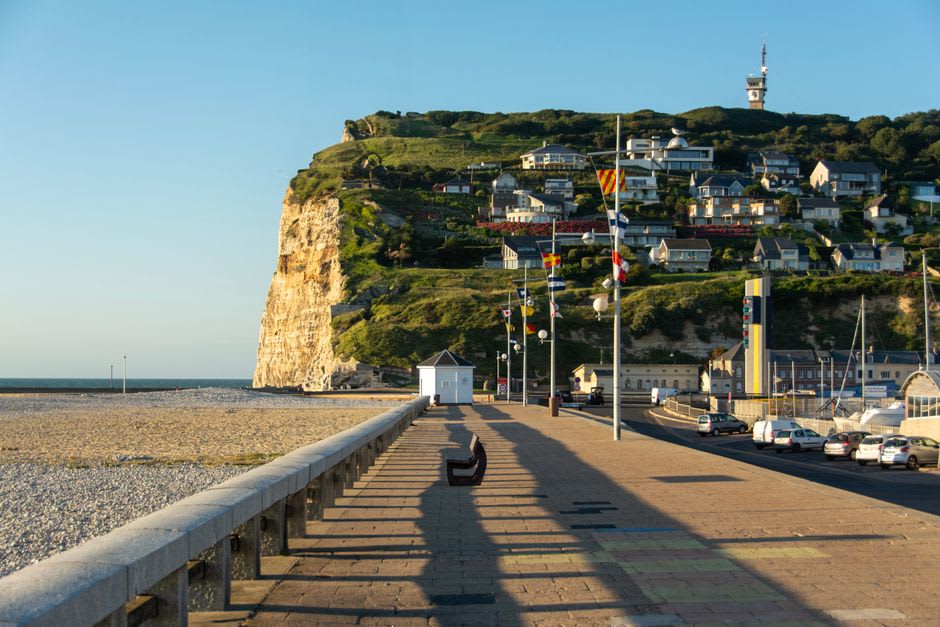
When to go: Visit outside peak summer for a quieter look at both the palace and the harbour. Late afternoon light on the Falaise d’Amont, looking back over the town, is worth timing a walk around.