Èze
"My legs were still shaking from the climb when the view made me forget I'd been complaining."
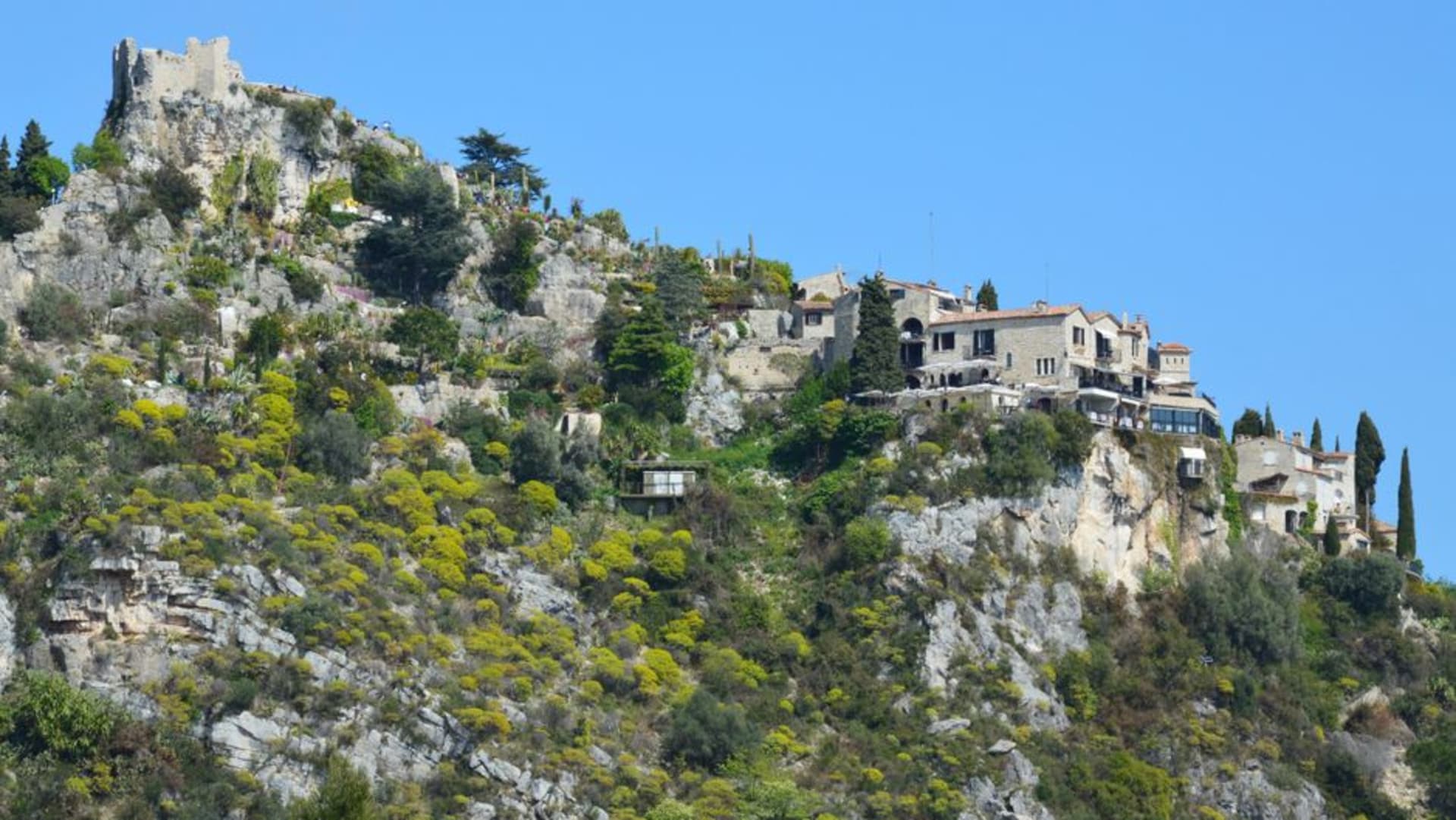
A medieval eagle's-nest village perched on a rock spur four hundred metres above the sea, its stepped lanes ending in a cactus garden with one of the best views on the whole coast.
Èze sits on a spur of rock four hundred and twenty-nine metres above the sea, visible from the coast road as a grey crown balanced improbably on the mountainside, and the climb up to it — a switchback path of worn stone steps through the medieval gate — is enough to make you understand exactly why nobody successfully invaded this village for most of its history. Lia, fitter than me on any given day, was still audibly annoyed by the last stretch.
Stepped lanes with no cars and no mercy on your knees
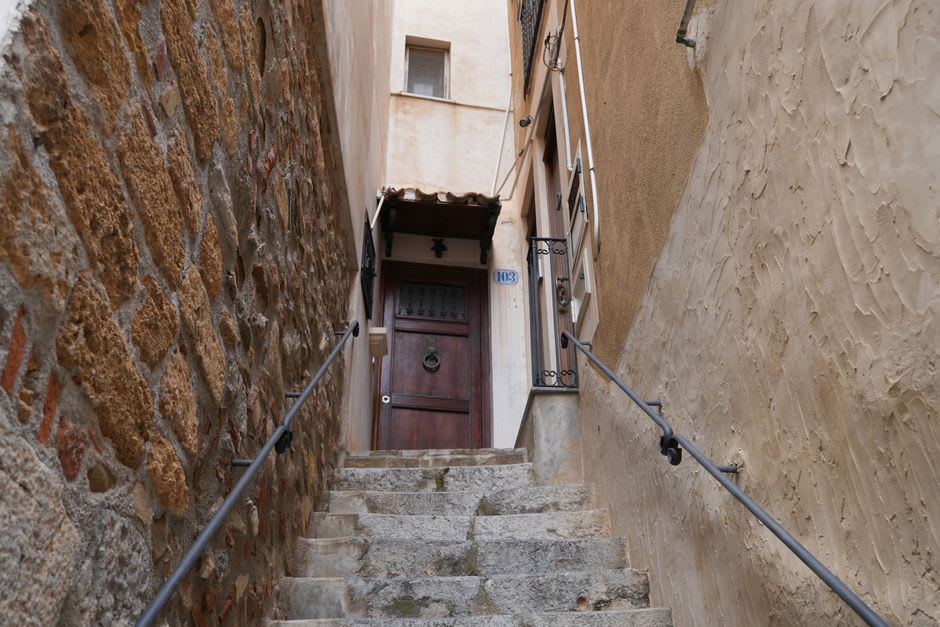
Inside the walls, Èze is entirely pedestrian, a maze of covered passageways, stone archways, and stairways so steep they occasionally become actual ladders, all of it now filled with galleries and perfume boutiques rather than the artisans and soldiers who once lived here. It photographs beautifully and, in the August midday sun, is genuinely punishing to walk, so we did the sensible thing and ducked into a shaded café halfway up for a citron pressé before continuing the climb.
The cactus garden at the top of everything
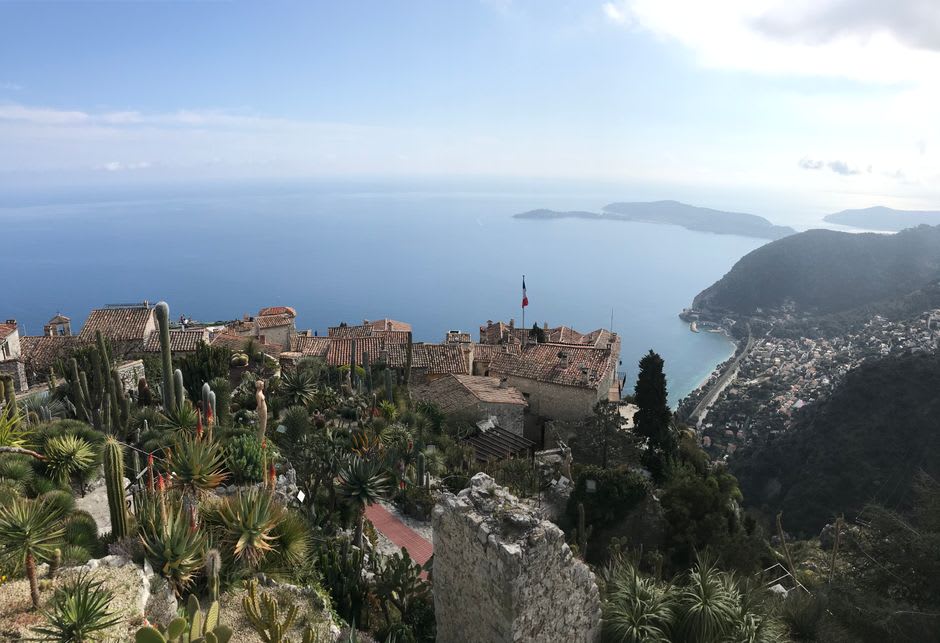
At the very summit, where a castle once stood before Louis XIV had it dismantled, the Jardin d’Èze now grows agaves, cacti, and succulents around the ruined foundations, and from its highest terrace you get a view that stretches from the Estérel massif to, on the clearest days, the coast of Italy — the whole Riviera laid out in one uninterrupted blue arc four hundred metres below. We stood there long enough that Lia’s annoyance about the climb had entirely evaporated by the time we left.
When to go: Early morning or the last hour before closing, both to dodge the tour buses that arrive by the dozen from Nice and Monaco, and to catch the coastal view in softer light.