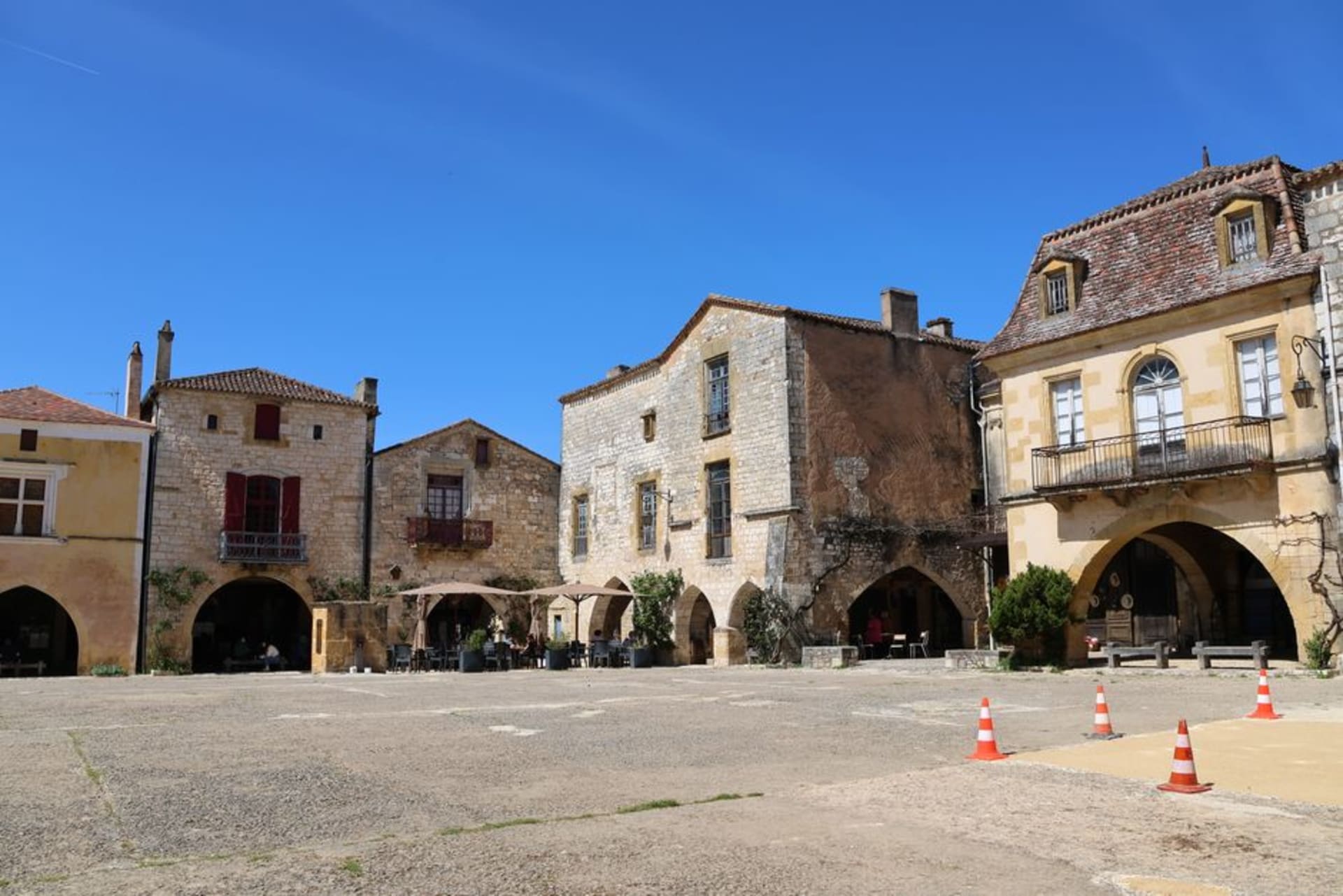
Domme
"We watched the whole Dordogne Valley go pink from Domme's terrace and neither of us said a word for a good ten minutes."
A hilltop bastide town with the best panoramic view of the Dordogne Valley in the region, built on a defensive grid plan by a thirteenth-century king and honeycombed with caves used by prisoners and resistance fighters alike.
Domme sits on a limestone plateau three hundred metres above the Dordogne, and the view from its edge is, without much competition, the best single vantage point on the entire river — the valley floor laid out for kilometres, the river looping through fields and poplar lines, La Roque-Gageac and Beynac visible as pale smudges in the distance. We’d been told repeatedly by other travelers to save Domme for sunset, and for once the advice was exactly right; Lia and I got there with an hour of light left and just sat on the terrace wall watching the whole valley shift from gold to pink to grey.
A bastide built on a grid, and on purpose
Domme is a bastide, one of several hundred planned new towns founded in southwest France during the thirteenth and fourteenth centuries, mostly by French and English crowns competing for territory and tax revenue during the lead-up to the Hundred Years’ War. Unlike the organic medieval towns nearby, Domme was laid out on a strict grid from the outset by Philippe III in 1281, with wide straight streets and a central market square, a genuinely modern piece of urban planning for its era, made unusual here by the fact that it was built on a clifftop rather than flat ground, so the grid buckles and adapts to the terrain in places where geometry lost to gravity.
The central Halle, a covered market hall with a heavy stone roof, still hosts a produce market, and beneath it a staircase leads down into a network of caves that run under the entire town — used at various points as a refuge, a quarry, and, during the Hundred Years’ War, briefly as a prison for captured Templar knights, whose carved graffiti is still visible on some of the cave walls.
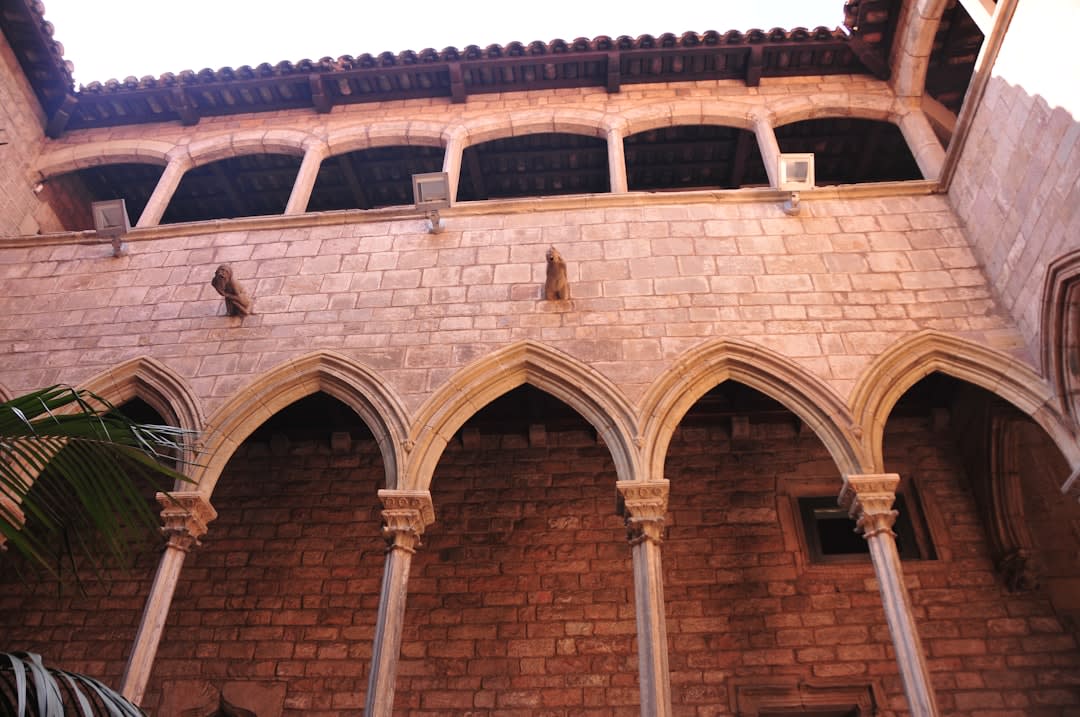
Resistance history and the walk along the ramparts
Domme’s defensive position mattered again far more recently than the Middle Ages — during the Second World War, the caves beneath the town sheltered members of the local Resistance, and a small memorial near the Porte des Tours, the town’s most intact medieval gate, commemorates that period. The gate itself was also used, centuries earlier, to hold the same Templar prisoners housed in the caves, so the same stone has done duty as prison and shelter for entirely different causes seven hundred years apart.
We walked the length of the ramparts path that circles the clifftop, stopping at the Belvédère de la Barre for the widest angle on the valley, before heading back into town for dinner at a small restaurant just off the main square, where we ate walnut-crusted duck breast on a terrace still warm from the day’s sun.
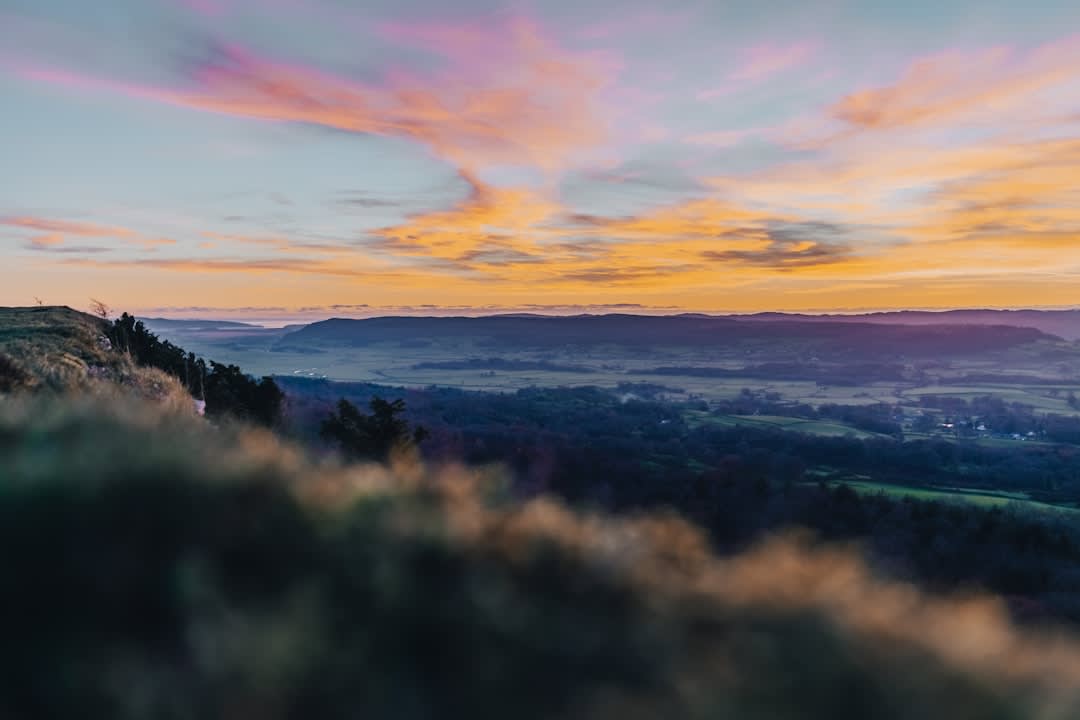
When to go: Time your visit for sunset regardless of season — it’s the single best reason to come to Domme, and the panorama is at its most dramatic in the hour before dusk from spring through early autumn.