A mountain town at the heart of Corsica, built around a citadel on a rocky spur and steeped in the island's independence history, with a university town's energy and some of the wildest gorges on the island right at its edge.
Corte sits almost dead centre of Corsica, ringed by mountains rather than coastline, and it has a different energy from every other town we visited on the island — partly because of the university, which fills its steep streets with students rather than tourists, and partly because Corte is where Corsican independence actually happened, briefly, in the eighteenth century. Pasquale Paoli made the town the capital of an independent Corsican Republic from 1755 to 1769, and the statue of him in the main square is treated with a reverence that made it clear, fast, this history is not distant or abstract here.
A citadel with a nickname
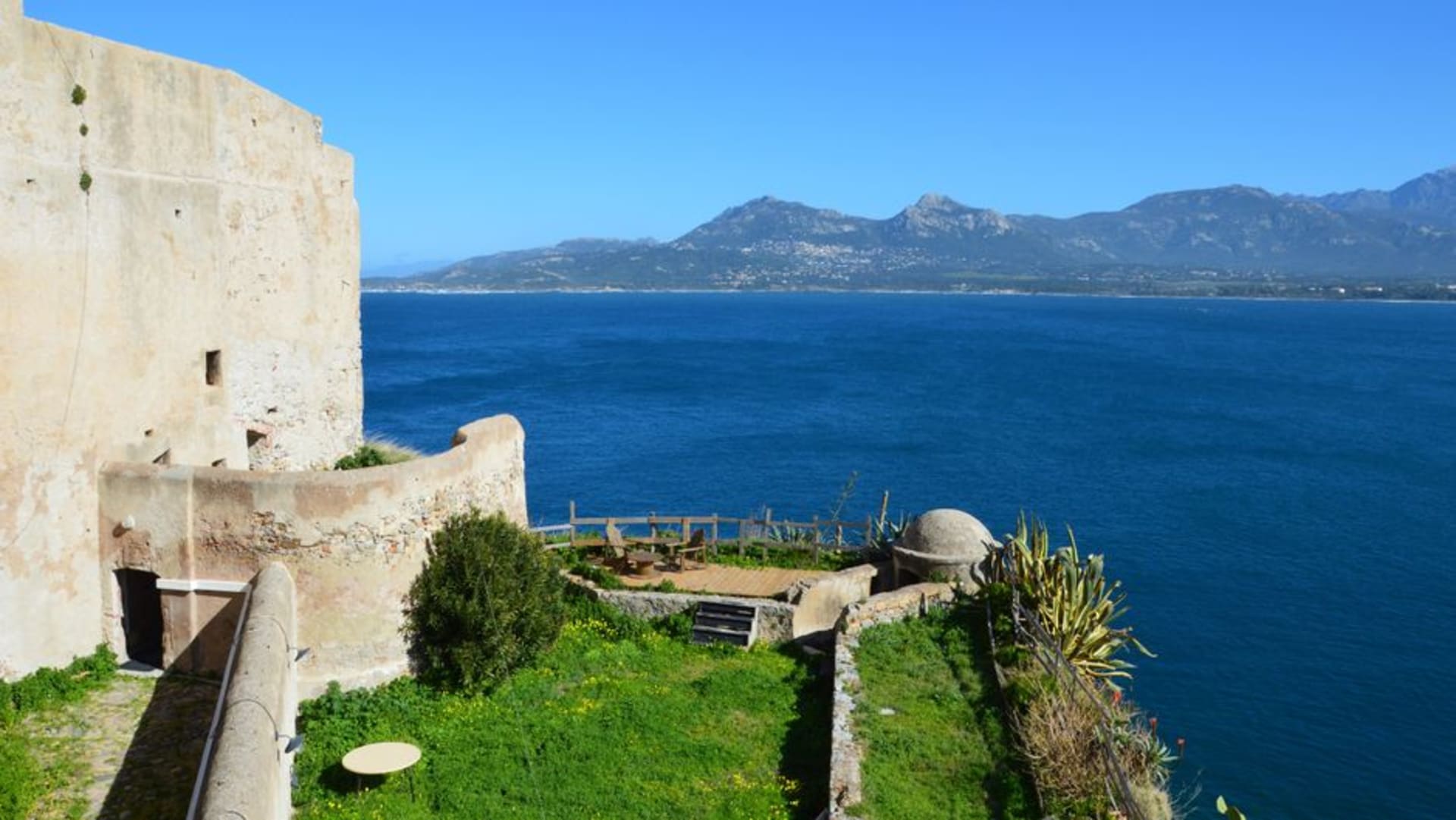
The citadel, perched on a sheer rock spur above the old town, is nicknamed the “Eagle’s Nest,” and the climb up through the narrow streets of the haute ville earns the name — the fortress walls seem to grow straight out of the rock. Inside, the Musée de la Corse traces the island’s identity through language, shepherding traditions, and its long, complicated relationship with France, in a way that felt more honest and more interesting than anything we’d seen framed for tourists on the coast.

The gorges just outside town
A short drive from Corte, the Gorges de la Restonica cut a spectacular route up into the mountains, the river running an almost unreal turquoise-green over granite boulders as the road climbs toward the Bergeries de Grotelle and trailheads for Lac de Melo and Lac de Capitello. We stopped at one of the wider pools along the river, cold enough to make swimming brief, and ate lunch on a flat granite slab with peaks still holding snow visible up the valley, even in early summer.

When to go: Late spring through early autumn for access to the Restonica gorges and the high mountain lakes, which can hold snow well into June.