Chinon
"We came for the wine and left thinking about a nineteen-year-old girl who talked her way into an army."
A fortress town on the Vienne where Joan of Arc first convinced a king to believe her, wrapped in vineyards that produce some of the best red wine in the Loire and rarely leave the region.
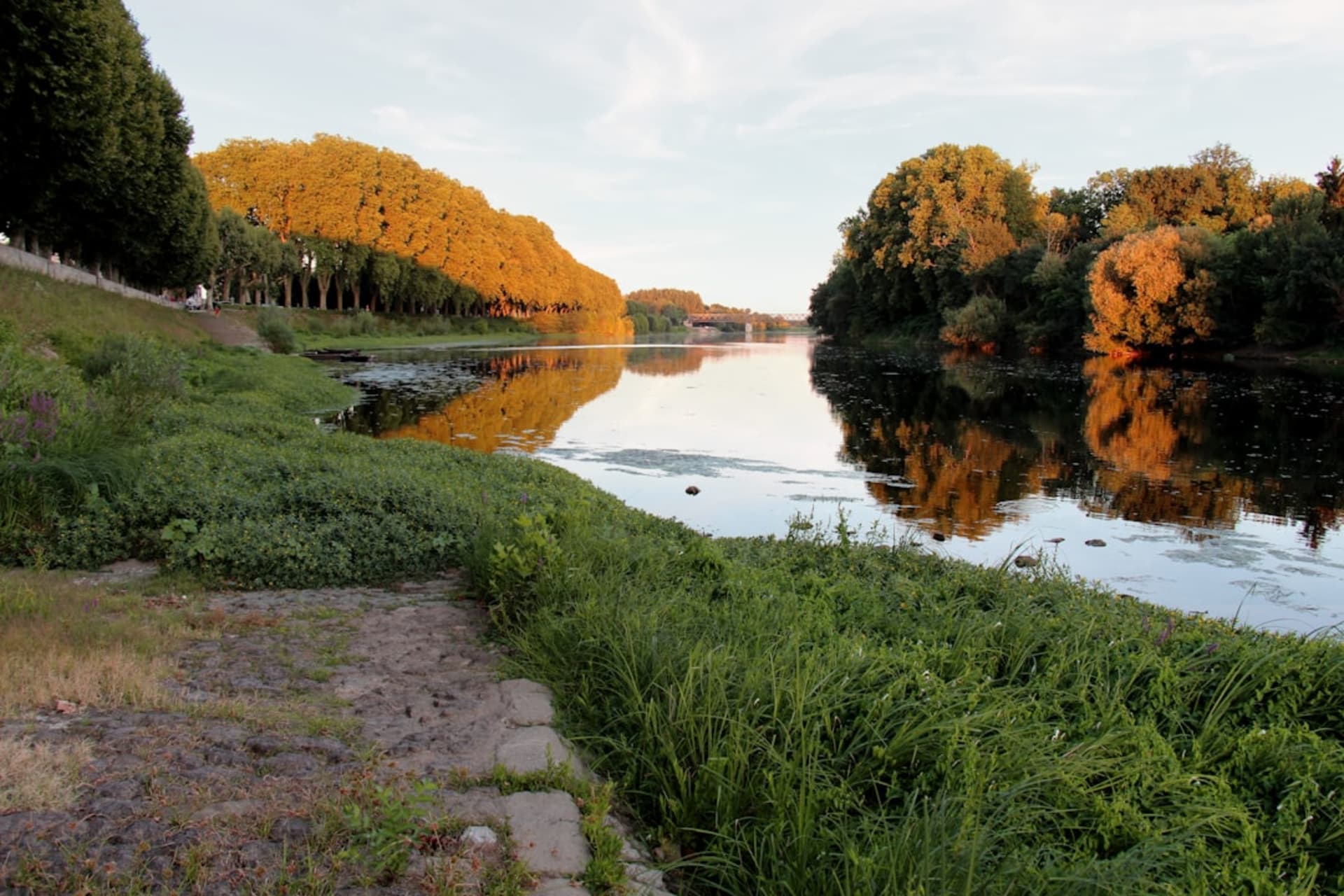
Chinon sits on the Vienne rather than the Loire proper, a tributary town twenty minutes south that most itineraries skip in favour of the bigger names, which is exactly why Lia and I liked it. We’d been recommended the wine by a sommelier in Tours — dense, peppery Cabernet Franc that almost never leaves the region because locals apparently drink most of it themselves — and arrived with modest expectations that the fortress above the town then thoroughly upended.
Where Joan of Arc convinced a king
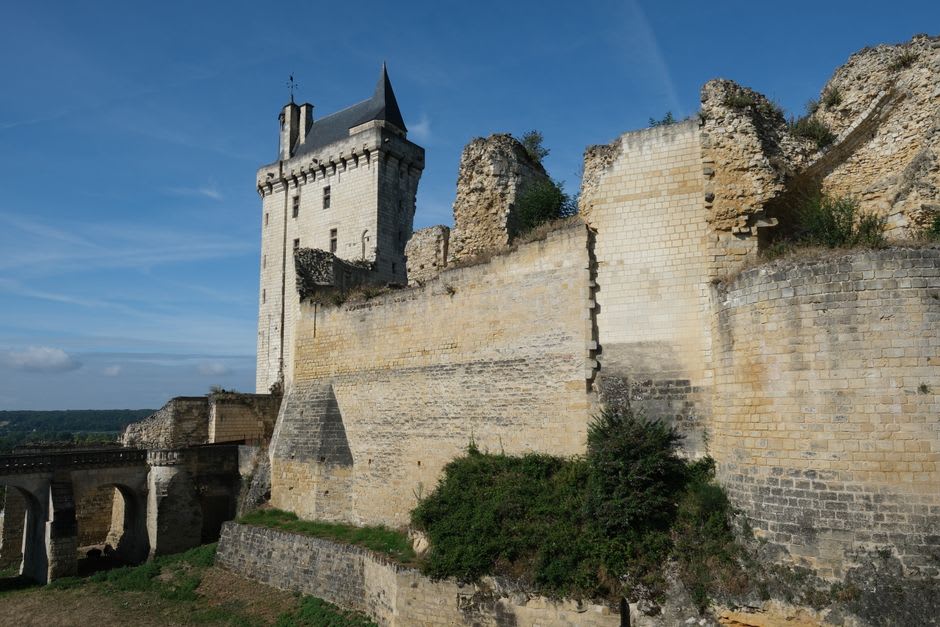
The Forteresse Royale de Chinon stretches along a limestone ridge above the town, a genuinely long fortress rather than a compact château, and it was here in 1429 that a nineteen-year-old peasant girl from Lorraine talked her way into an audience with the dauphin Charles VII and convinced him, against the advice of most of his court, that she had been sent by God to drive the English out of France. The Salle de Réception where that meeting is thought to have happened is largely ruined now — walls and window frames open to the sky — but there’s a small exhibit that lays out the political desperation Charles was in at the time, disinherited by his own father, uncrowned, unconvinced of his own legitimacy, which makes Joan’s success feel less like a miracle and more like extraordinary timing meeting extraordinary nerve.
We walked the full length of the ramparts as the light dropped, the Vienne curling below and the town’s tiled roofs packed tight along the riverbank, and I understood then why a defensible position like this mattered so much for so many centuries — you can see anyone coming from a very long way off.
Cabernet Franc and the caves below town
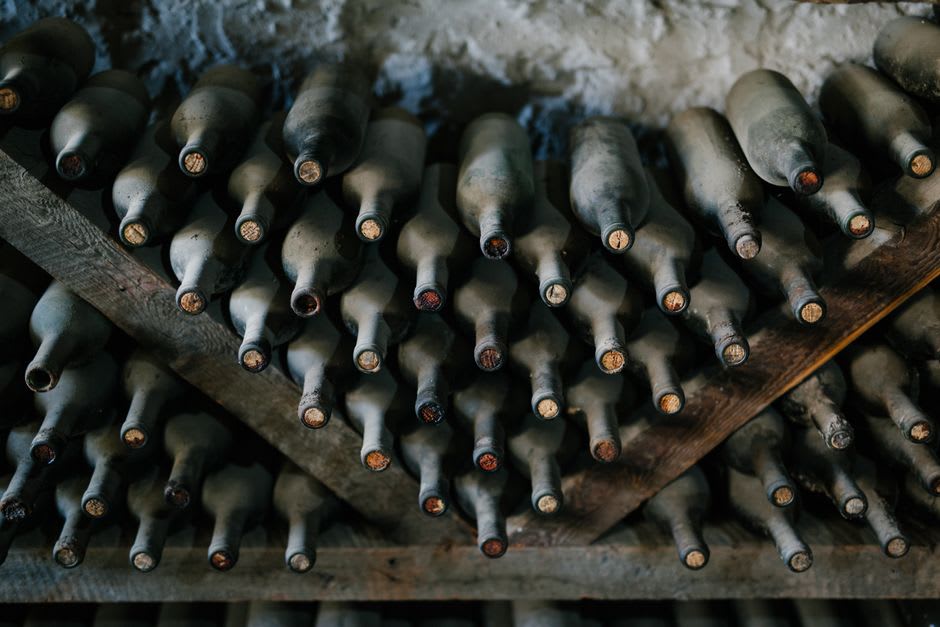
Chinon’s other identity is wine, and it is a serious one — Cabernet Franc grown on the gravel and limestone terraces around the town produces reds with a distinctive peppery, sometimes violet-scented character that the appellation has protected since the 1930s. Much of it is aged in caves cut into the limestone cliff the fortress sits on, and we booked a tasting at a small family domaine whose cellar ran directly into the rock face — cool, quiet, lined floor to ceiling with dusty bottles going back decades.
The owner, a woman who’d taken over from her father, poured us four vintages and talked with real affection about how differently the same grape performs on the clay-limestone slopes versus the gravel terraces closer to the river. We left with a case we then had to figure out how to fit in the car, which felt like the correct outcome.
When to go: September, if you can time it — harvest season brings the vineyards to life and the town’s wine bars fill with growers comparing notes on the year. It’s a fine detour any time between April and October.