Chambord
"It's the only building I've ever seen that made me laugh out loud from sheer excess."
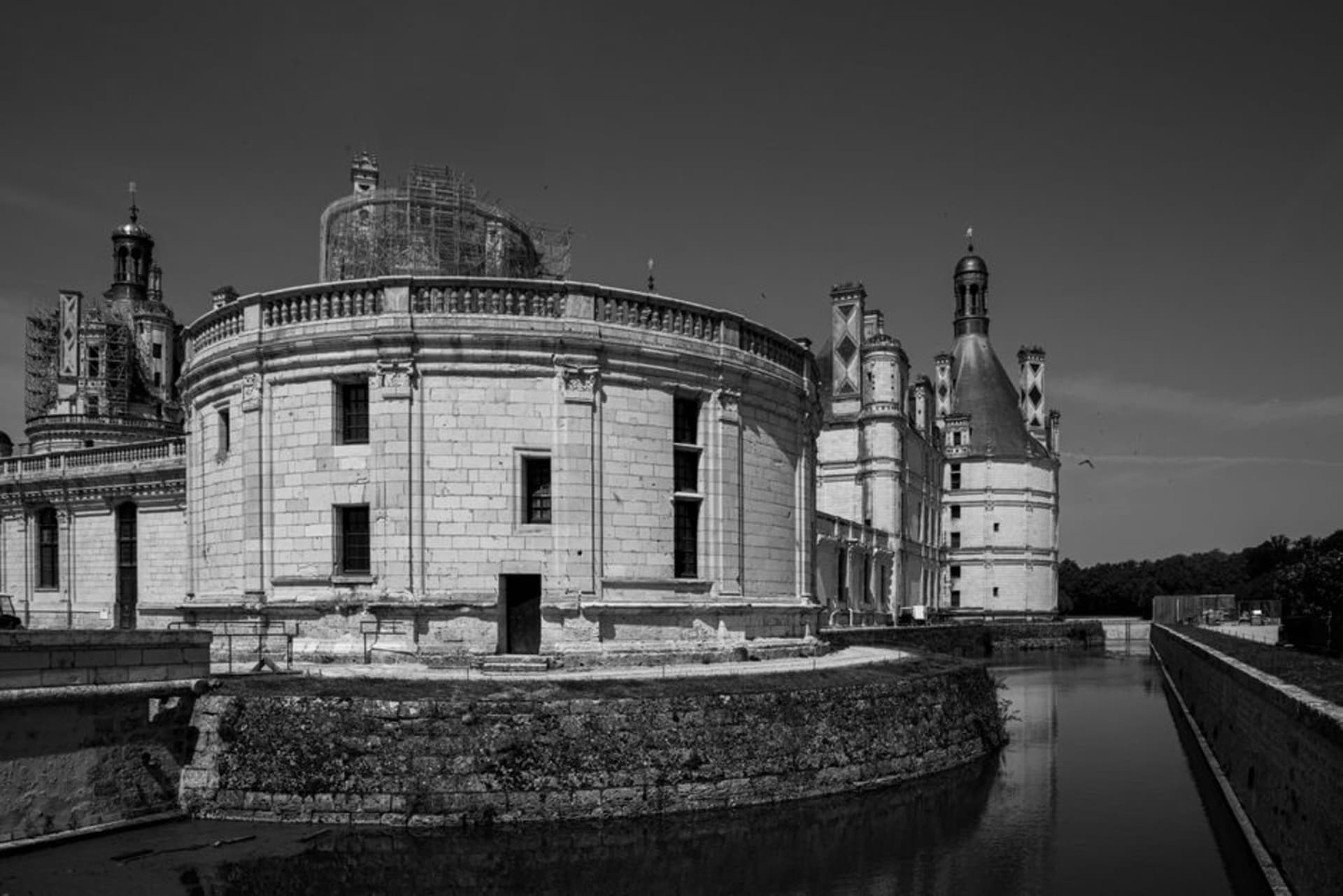
A château so absurdly oversized it barely counts as a village, sitting alone in a walled hunting forest the size of Paris, with a double-helix staircase attributed to Leonardo at its heart.
I want to be honest about Chambord: it is not really a town, it is a hunting lodge that got out of hand, sitting almost alone in a walled forest that covers more ground than the city of Paris. There is no village to speak of, just the château and a scatter of service buildings, which is precisely what makes it strange and worth including here — you arrive through miles of oak forest with wild boar signs posted every kilometre, and then this five-hundred-and-forty-room fantasy of towers and chimneys just appears in a clearing. I actually laughed the first time I saw the roofline. Lia thought I was being dramatic until she saw it herself and did the same thing.
François I’s impossible whim
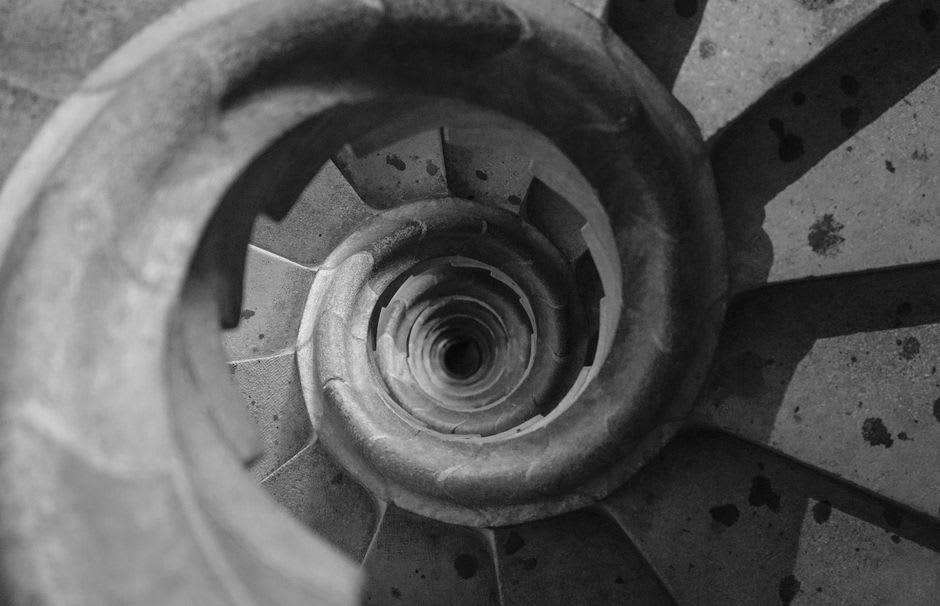
François I began Chambord in 1519, the same year Leonardo da Vinci died at Amboise less than an hour away, and the château’s most famous feature — a double-helix staircase where two spirals wind around a single central void, letting people climb and descend without ever meeting — is widely attributed to Leonardo’s influence, though he never lived to see it built. We climbed it slowly, waving at strangers spiralling down the opposite staircase through the open stonework between us, which is exactly the trick of the design and still delights every single person who tries it.
The roofline is the real spectacle: a forest of turrets, chimneys, and dormers modelled, some historians argue, on the skyline of Constantinople as François imagined it. We climbed onto the terrace at the top and wandered among the chimney stacks for a good hour, the whole hunting forest spread flat and green in every direction, no other building visible anywhere.
A forest built for hunting, not walking
The domaine surrounding the château is a walled estate of over five thousand hectares, still home to red deer and wild boar, and still managed partly as hunting ground the way François intended it. We rented bicycles from a stand near the entrance and rode a marked loop through the forest — flat, easy going, deer visible at a distance in the early evening when we went. At one clearing we stopped and just listened; after the crowd noise around the château entrance, the silence out there felt engineered on purpose, a deliberate contrast between spectacle and wilderness that I don’t think is an accident of design.
We ended the day at a small auberge just outside the domaine walls, eating a game terrine that felt appropriately on theme, before driving back toward Blois as the château lit up gold behind us in the rearview mirror.
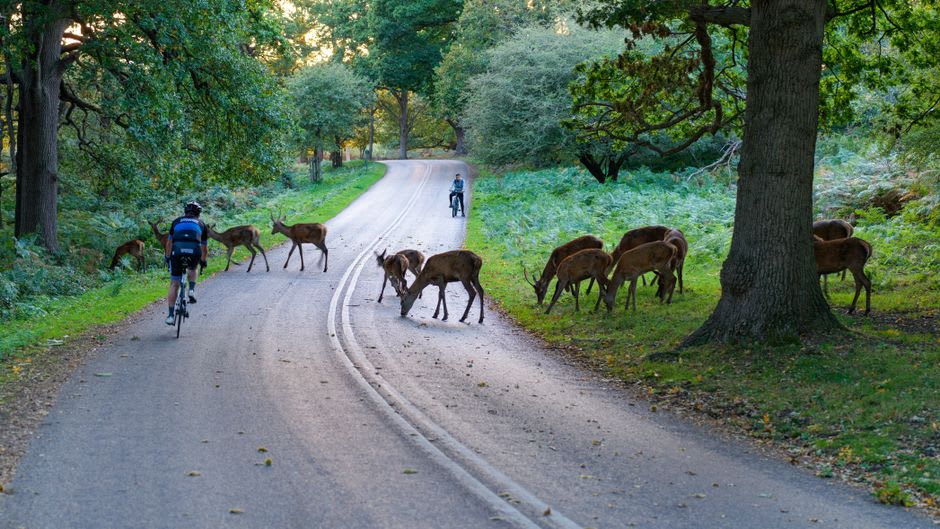
When to go: Weekday mornings outside July and August — Chambord draws the biggest crowds of any Loire château and the scale of the building only really lands when you’re not shuffling through it. Autumn adds the bonus of stag rutting season audible from the forest trails.