Cauterets
"The whole town still smells faintly of sulphur, and somehow that's part of the charm."
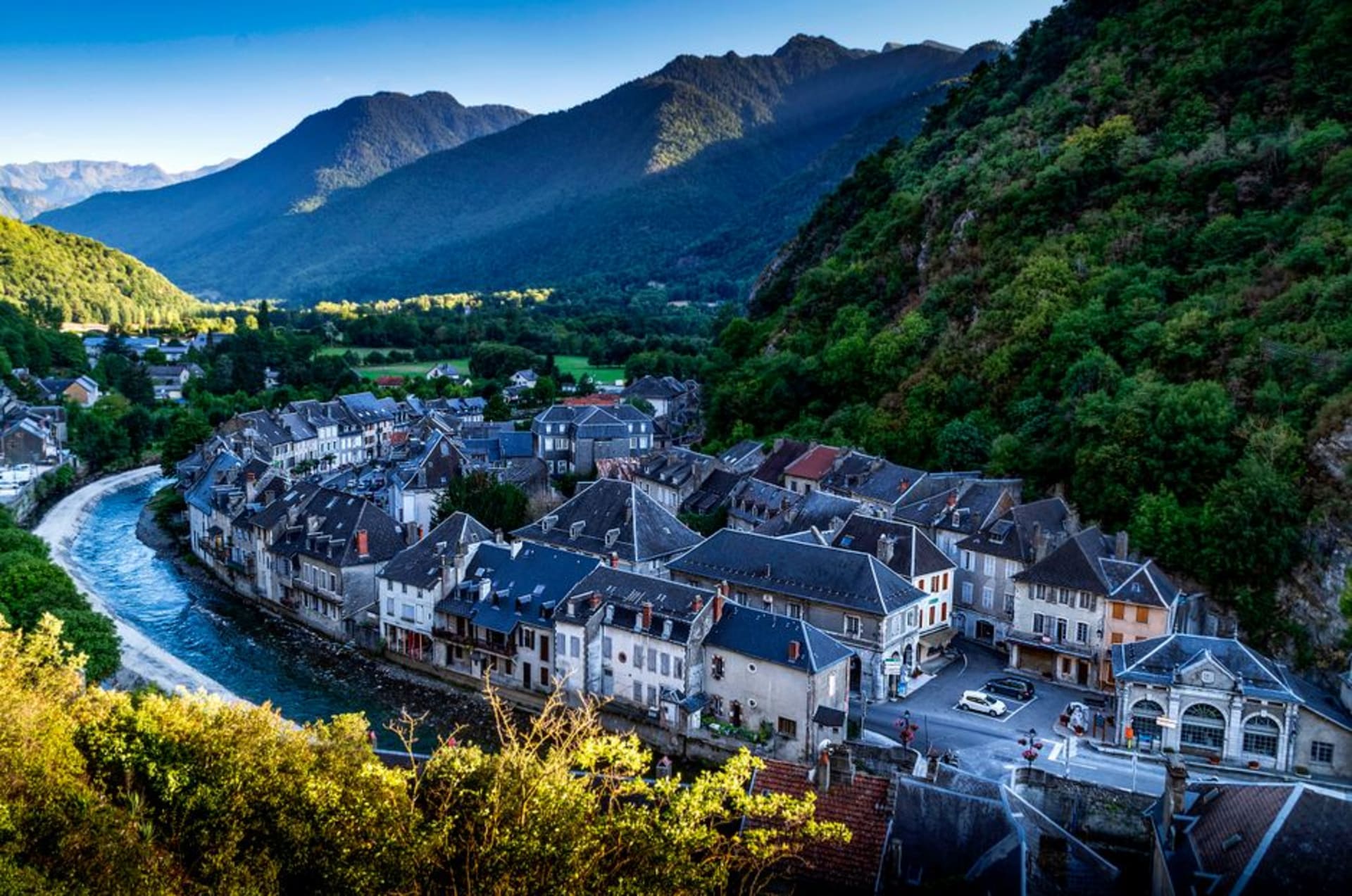
A Belle Époque spa town tucked into a Pyrenean valley, its sulphur-scented thermal baths and faded grand hotels still carrying the glamour of the nineteenth century when half of literary Paris came to take the waters.
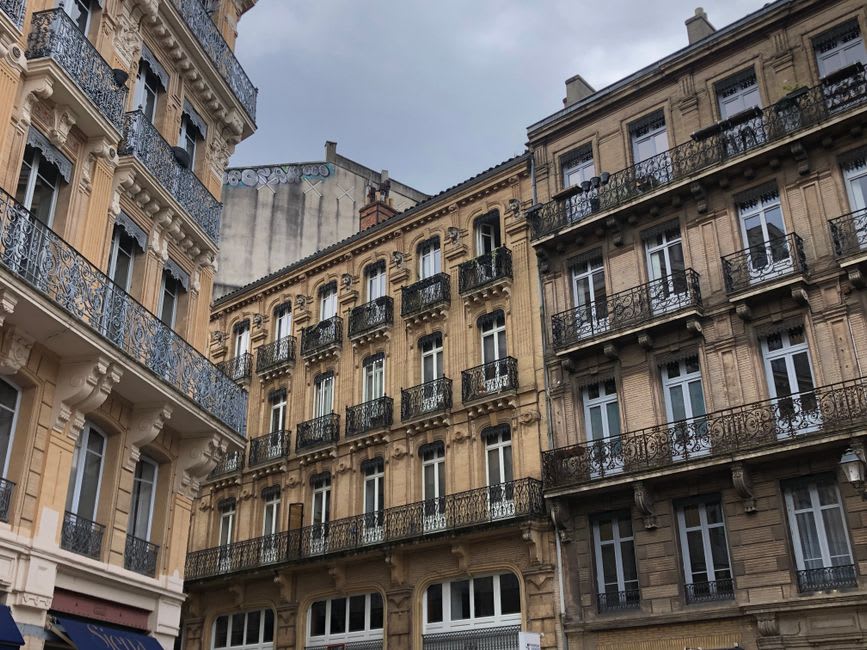
Cauterets smells like eggs, mildly, from the sulphurous springs that have drawn visitors up this valley since Roman times, and I mention that first because it is genuinely the town’s most memorable feature and nobody warns you about it. Once you stop noticing, what’s left is a proper Belle Époque spa town: wrought-iron balconies, a domed casino, and grand hotel facades built for a nineteenth-century clientele that included George Sand, Victor Hugo, and Sarah Bernhardt, all of whom came for the thermal waters and, one assumes, the mountain air as an excuse.
Taking the waters, more or less
The Thermes de César, named for a supposed Roman-era spring, still operates today, considerably less crowded with literary celebrities than it was in 1850 but no less serious about its sulphur baths and pressurised water jets. We didn’t book a treatment — that requires planning we hadn’t done — but we walked past the grand facade of the old Établissement Thermal and peered through the windows at the domed hall inside, all marble and ironwork built for an era that treated a hot bath as high culture.
Up the valley to Pont d’Espagne
The real reason to stay more than an afternoon is what’s above the town. A small road climbs from Cauterets to Pont d’Espagne, a stone bridge over a churning confluence of two mountain streams, from where trails fan out toward the Lac de Gaube and the glaciers of the Vignemale massif. We hiked as far as the lake, a slab of turquoise water sitting directly beneath the glacier, ate a sandwich on a rock, and agreed it was the kind of view that made the sulphur smell in town entirely worth tolerating.
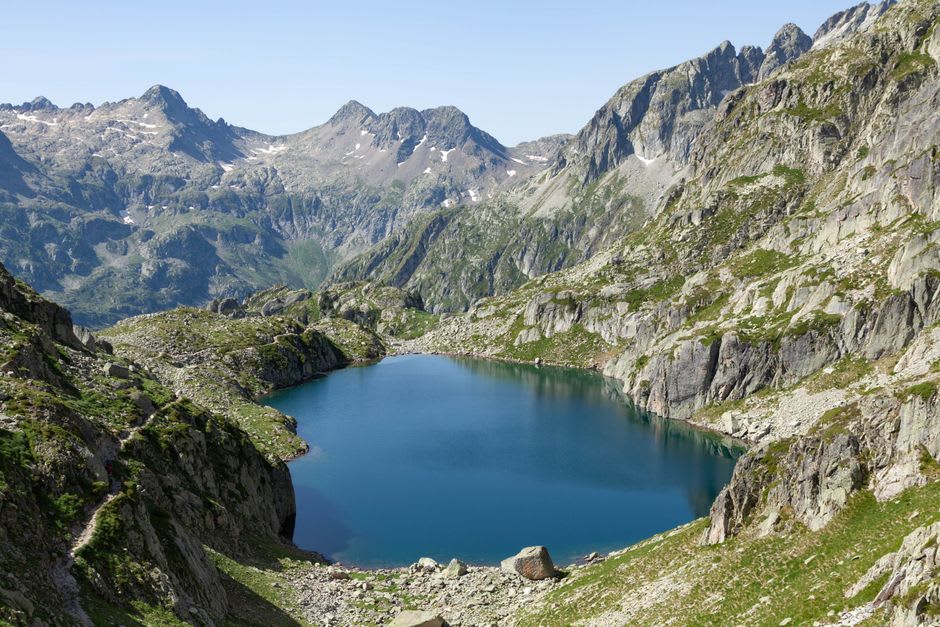
When to go: July and August open the high trails toward Pont d’Espagne and Lac de Gaube; come in winter instead if you want the town’s other identity as a compact ski resort.