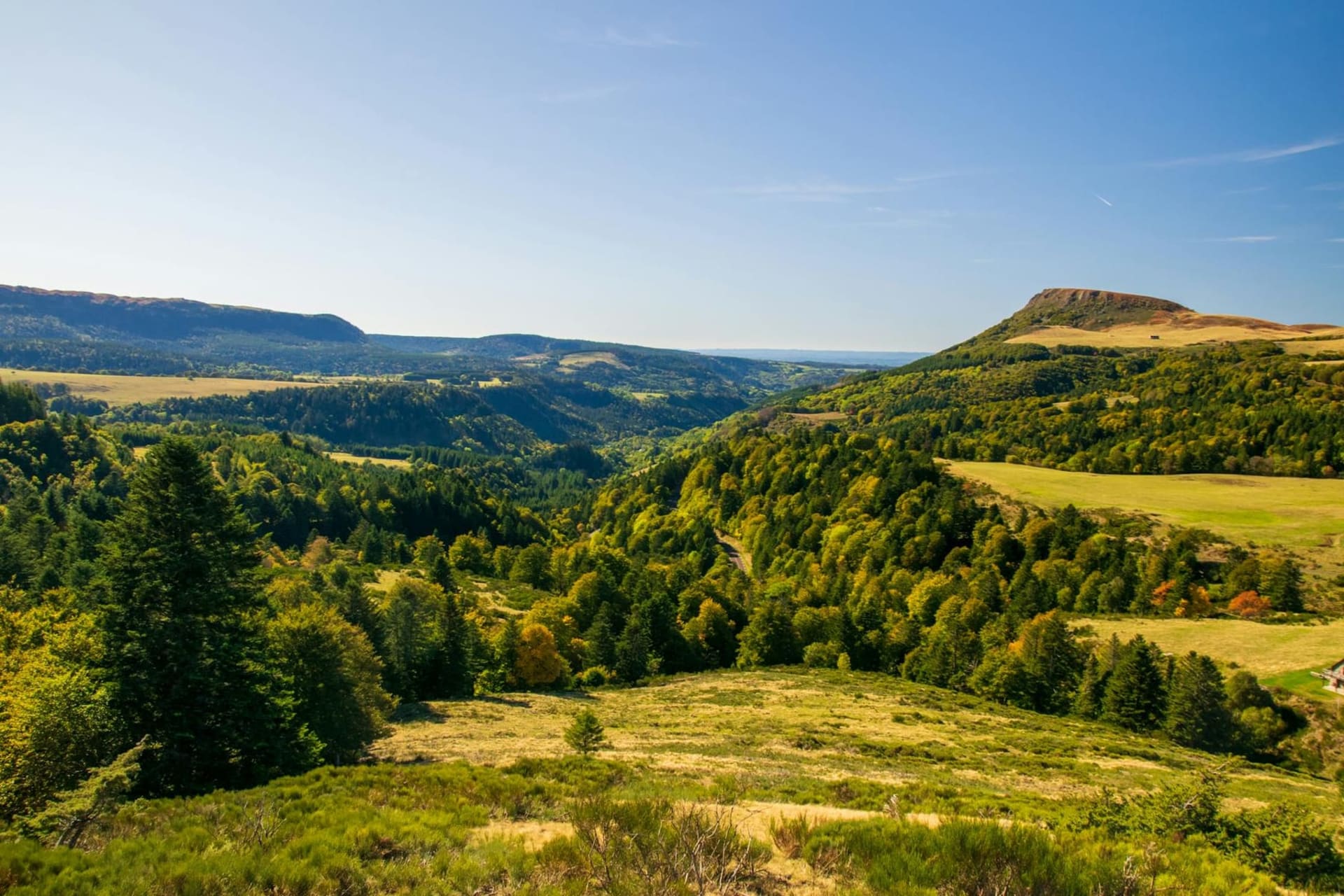
The road into Bonneval-sur-Arc ends at a parking lot. That is not an accident. The village has refused cars since 1963, and the result is one of the most intact medieval streetscapes in France — rough schist walls blackened by centuries of alpine winters, rooflines of heavy lauze stone that weigh on the buildings like a thought you cannot shake, and narrow passages called rues that thread between houses with the logic of goat trails rather than urban planning.
We arrived on a Thursday in late September, the summer walkers already gone. The smell hit first: woodsmoke and cold air carrying something mineral from the glaciers above, a scent I associate now only with this place.
The Village That Refused the Century
Bonneval sits at 1835 metres at the head of the Haute Maurienne valley, in the shadow of the Col de l’Iseran. The church of Saint-Grat anchors the old village, its square tower as undecorated as everything else here — beauty through sheer material honesty, stone on stone without apology. Most of the houses are still lived in year-round, which matters: this is not a museum village. Woodpiles reach windowsills. Laundry appears on some mornings. An old man passed us on the Rue des Glaciers without acknowledging our cameras, and I was grateful for it.
Lia found the fromager almost by accident — there is no sign, just a wooden door on the main alley, and inside, wheels of Beaufort aging on pine shelves in the half-dark. We bought a wedge the size of a brick and ate most of it that evening with bread and a bottle of Mondeuse from the valley below. The Beaufort here carries something the supermarket versions do not: a particular sharpness at the back of the palate, like the altitude has concentrated it.
Above the Village
What I had not expected was the light after four o’clock. I had come for the medieval architecture and stayed for something else entirely. The Col de l’Iseran road, closed by that point in the season, runs above the village and offers a viewpoint looking down on the stone rooftops with the Pointe de Charbonnel rising behind them. For perhaps thirty minutes, the sun hit the lauze at a low angle and everything went the colour of old honey — the walls, the roofs, the meltwater stream cutting through the lower meadow. I stood there longer than I should have and missed dinner entirely.
The hiking here is serious and mostly unmarked for casual visitors. We stuck to the lower trails around the village, enough to reach the alpage where the summer cattle had already come down, the cropped grass still showing their routes in long, curved lines across the hillside.
Practical Notes
The village has a handful of gîtes and one hotel, the Auberge du Glacier. Everything closes by October and reopens in December for ski season. The nearest grocery is in Lanslebourg, eighteen kilometres down the valley — pack accordingly.
When to go: Late September for the best combination of clear skies, empty paths, and autumn light before the first snow closes the high passes. July and August are the busiest months, though even then the village absorbs visitors quietly.