Besse-et-Saint-Anastaise
"The whole village is the same dark stone as the volcano that made it."
A dark-stone medieval village in the Auvergne's volcanic highlands, its narrow streets still following their fifteenth-century layout, with a still, forest-ringed volcanic lake a short drive above town.
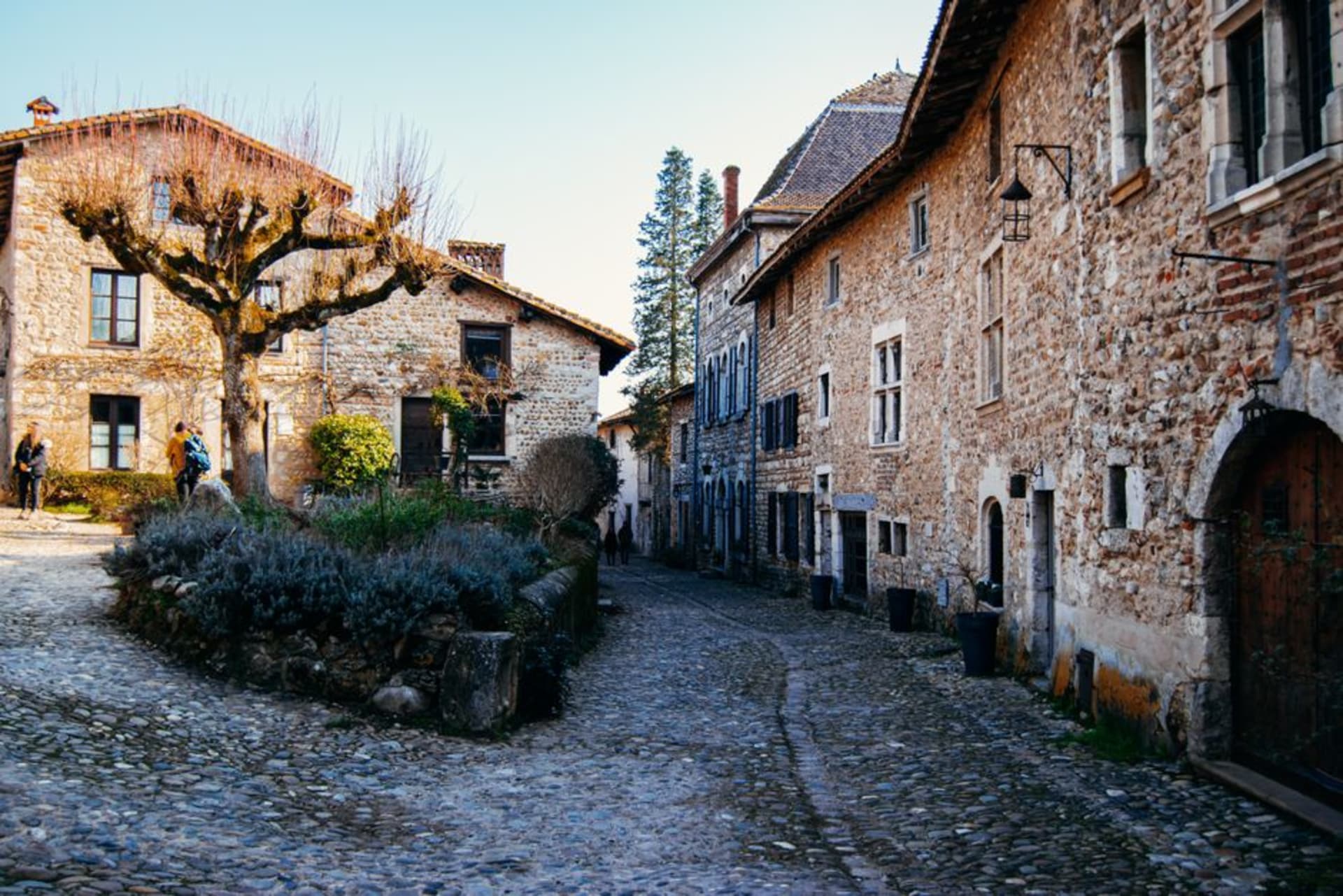
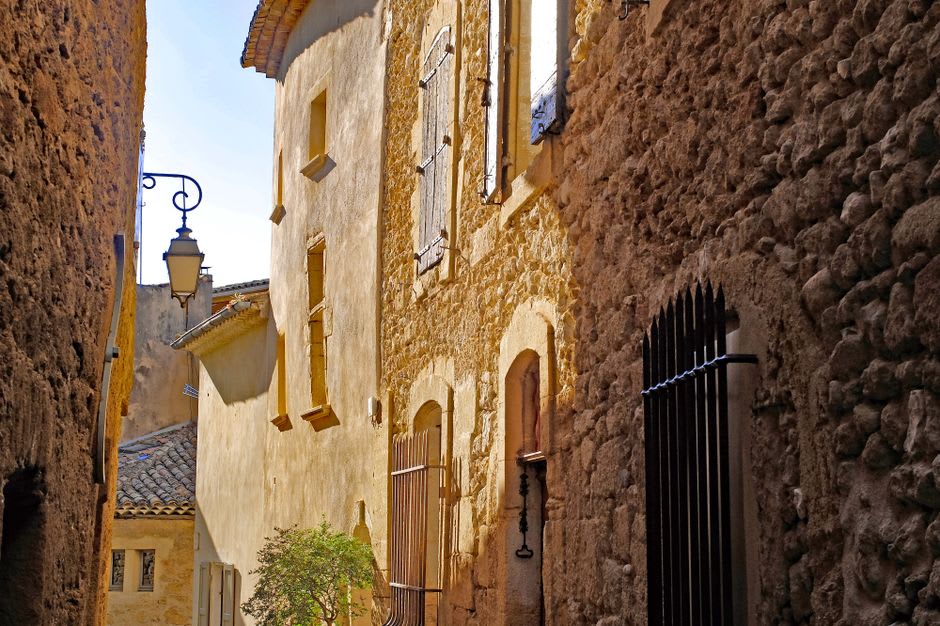
Besse-et-Saint-Anastaise doesn’t get the same attention as some of its Auvergne neighbours, and that turned out to be entirely in its favour. The village’s narrow streets, built from the same dark trachyandesite volcanic stone as the surrounding hills, follow a medieval layout that’s barely changed since the fifteenth century — no wide boulevards cut through later for cars, just tight lanes between turreted houses that once belonged to local nobility. We parked outside the old walls and walked in through the Porte de Ville, one of the few surviving fortified gates, into streets narrow enough that Lia could touch both sides at once.
A village that used to move with the seasons
For centuries, the local lords of Besse actually relocated their court here every summer from the town of Saint-Nectaire, using Besse’s higher, cooler position on the plateau as a seasonal retreat — a practice called transhumance in reverse, following comfort rather than pasture. The Église Saint-André, a squat Romanesque church at the centre of the village, has a dark, almost cave-like interior that holds a twelfth-century Black Virgin statue, still carried down to Lac Pavin in a procession every July, a tradition that supposedly dates back to a plague outbreak centuries ago.
The lake in the crater
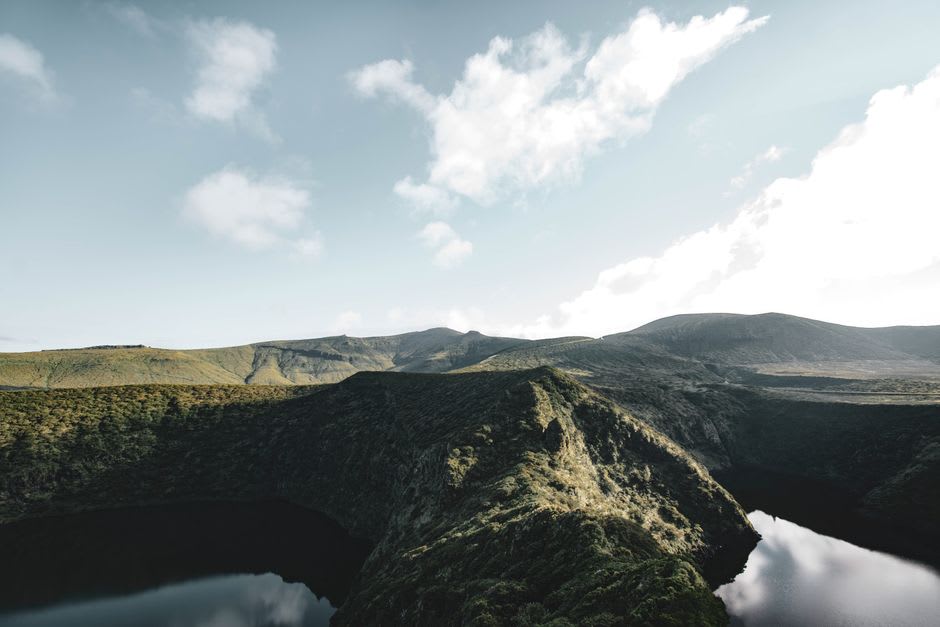
A short drive above the village, Lac Pavin fills a nearly perfectly circular volcanic crater, ringed by dense beech forest and so still on the morning we visited that the tree line doubled itself perfectly in the water. It’s one of the youngest volcanic lakes in France, only about 6,000 years old, and locally reputed — inevitably — to be bottomless, though it’s actually just under a hundred metres deep. We walked the full loop around it in under an hour, meeting almost nobody else on the trail.
When to go: Summer for the village at its warmest and Lac Pavin fully accessible; in winter, Besse becomes the base village for the Super Besse ski station just up the road.