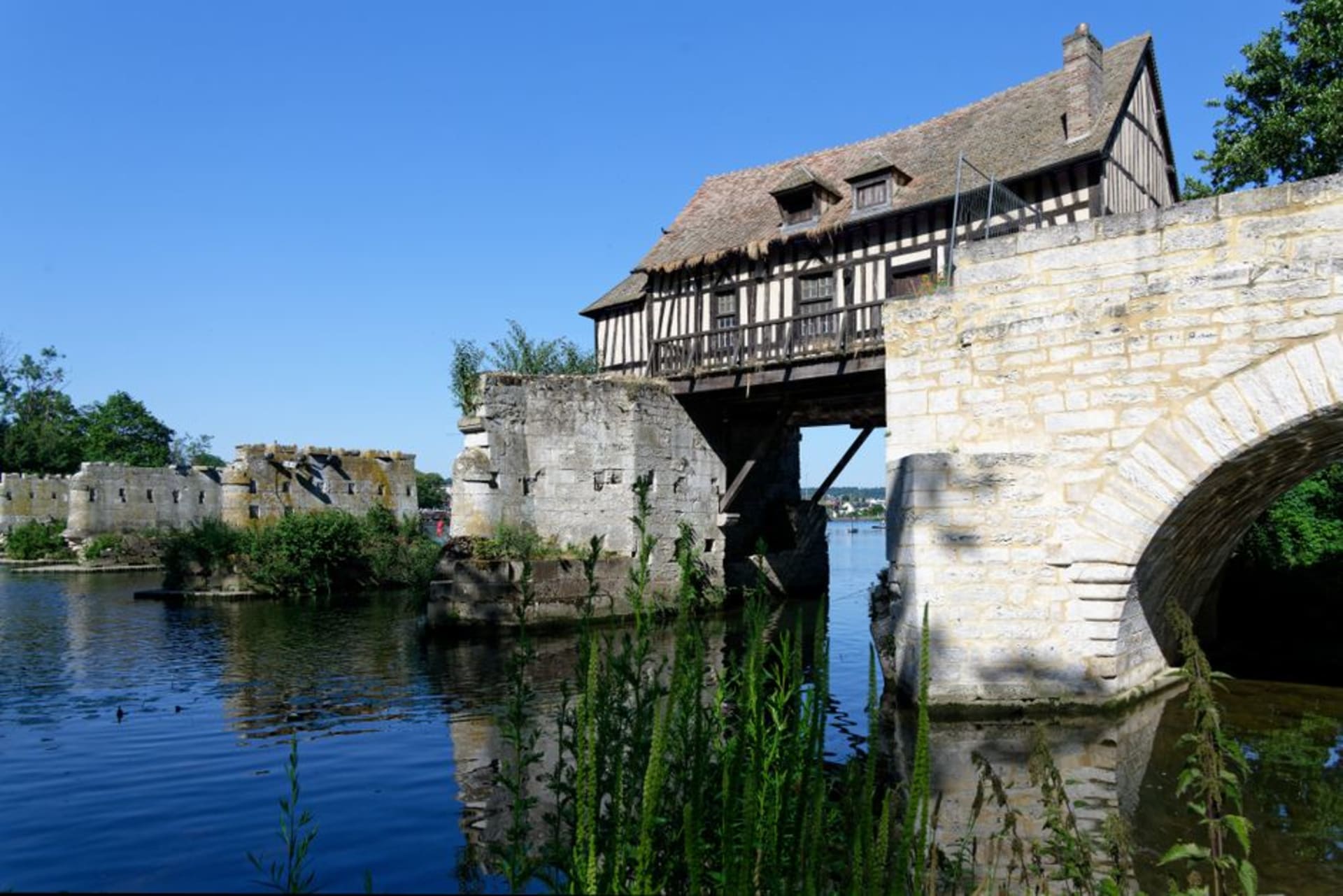
A relaxed river town on the Dordogne known for its sweet Monbazillac wine, a half-timbered old quarter built around tobacco trading, and a nose that belongs, tenuously, to a fictional character who never actually visited.
Bergerac doesn’t try as hard as its neighbours upriver, and after the concentrated spectacle of Sarlat, Beynac, and Domme, that turned out to be exactly what Lia and I needed. It’s a genuinely lived-in river town, wide enough that the Dordogne opens out here rather than squeezing between cliffs, with an old quarter of half-timbered houses and quiet squares that never feels staged for anyone’s camera.
Cyrano’s nose and a town he never visited
Bergerac’s most famous cultural export is a nose that isn’t real — Edmond Rostand’s 1897 play Cyrano de Bergerac made the town’s name known worldwide, attached to a swashbuckling, large-nosed poet-swordsman, despite the fact that the actual historical Cyrano de Bergerac, a seventeenth-century writer and duelist, had no meaningful connection to the town beyond a family name his father had adopted from a piece of property near Paris. None of that has stopped Bergerac from fully embracing the association — there’s a bronze statue of Cyrano in the main square, his oversized nose worn shiny where visitors touch it, and the town leans into the fiction with evident good humor rather than pedantry.
We wandered the old quarter around Place Pélissière and Rue Saint-James, half-timbered merchant houses dating largely from the town’s boom years as a river port trading tobacco and wine downstream toward Bordeaux, before the railway era shifted commerce away from the water.
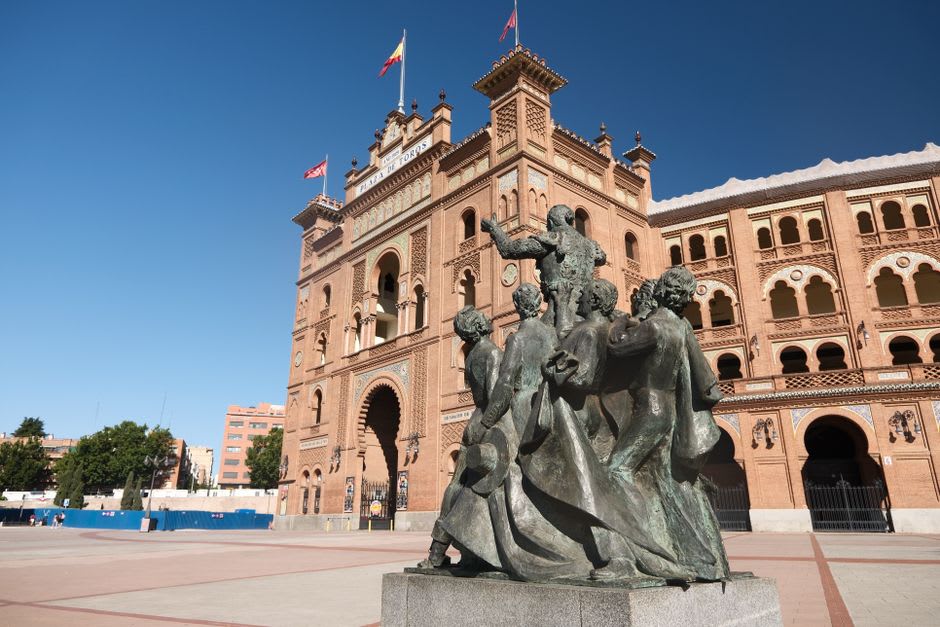
Monbazillac and an afternoon on the water
The real draw for us, though, was wine — the hills just south of town produce Monbazillac, a sweet golden dessert wine made from grapes affected by noble rot, in a style comparable to Sauternes but with its own distinct character, honeyed and less aggressively sweet. We drove up to the Château de Monbazillac, a fortified sixteenth-century château standing alone above the vineyards, and tasted through several vintages in a cellar built into the château’s foundations, the older bottles noticeably deeper in color, closer to amber than gold.
Back in town, we spent our last evening the way half of Bergerac seems to spend every evening in summer — on the quay along the river, gabarre boats moored for the night, a glass of the Monbazillac we’d just bought from the cellar in hand, watching the water go by without any particular agenda.
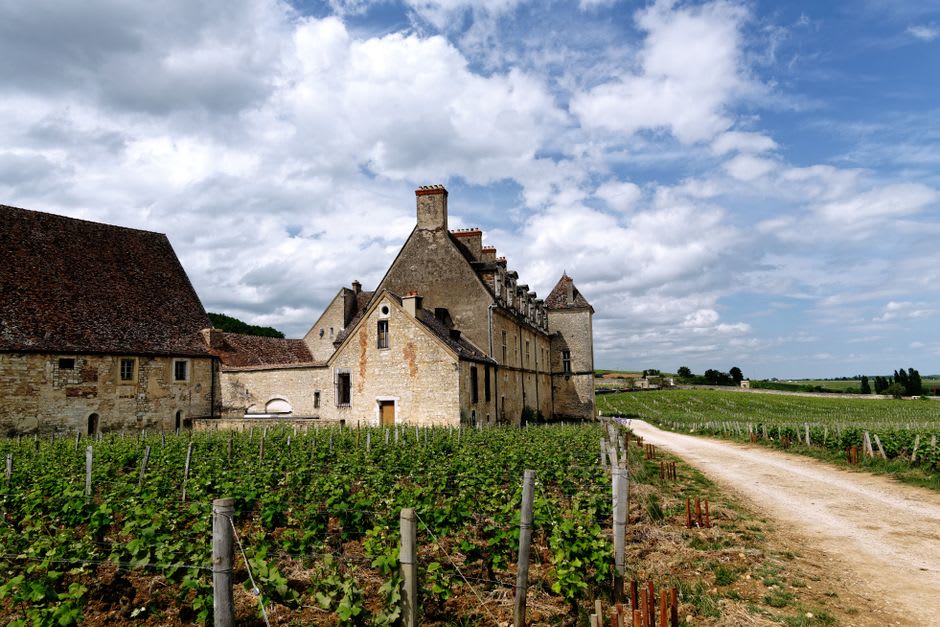
When to go: Late summer into autumn, when the Monbazillac grapes are affected by noble rot and the surrounding vineyards are at their most active — it’s also when the riverside quay is liveliest in the evenings.