Barfleur
"We came for the lighthouse and ended up just sitting on the harbour wall for two hours doing nothing."
A small granite fishing village on the tip of the Cotentin peninsula, officially one of France's most beautiful villages, where the biggest attraction is simply how little has changed.
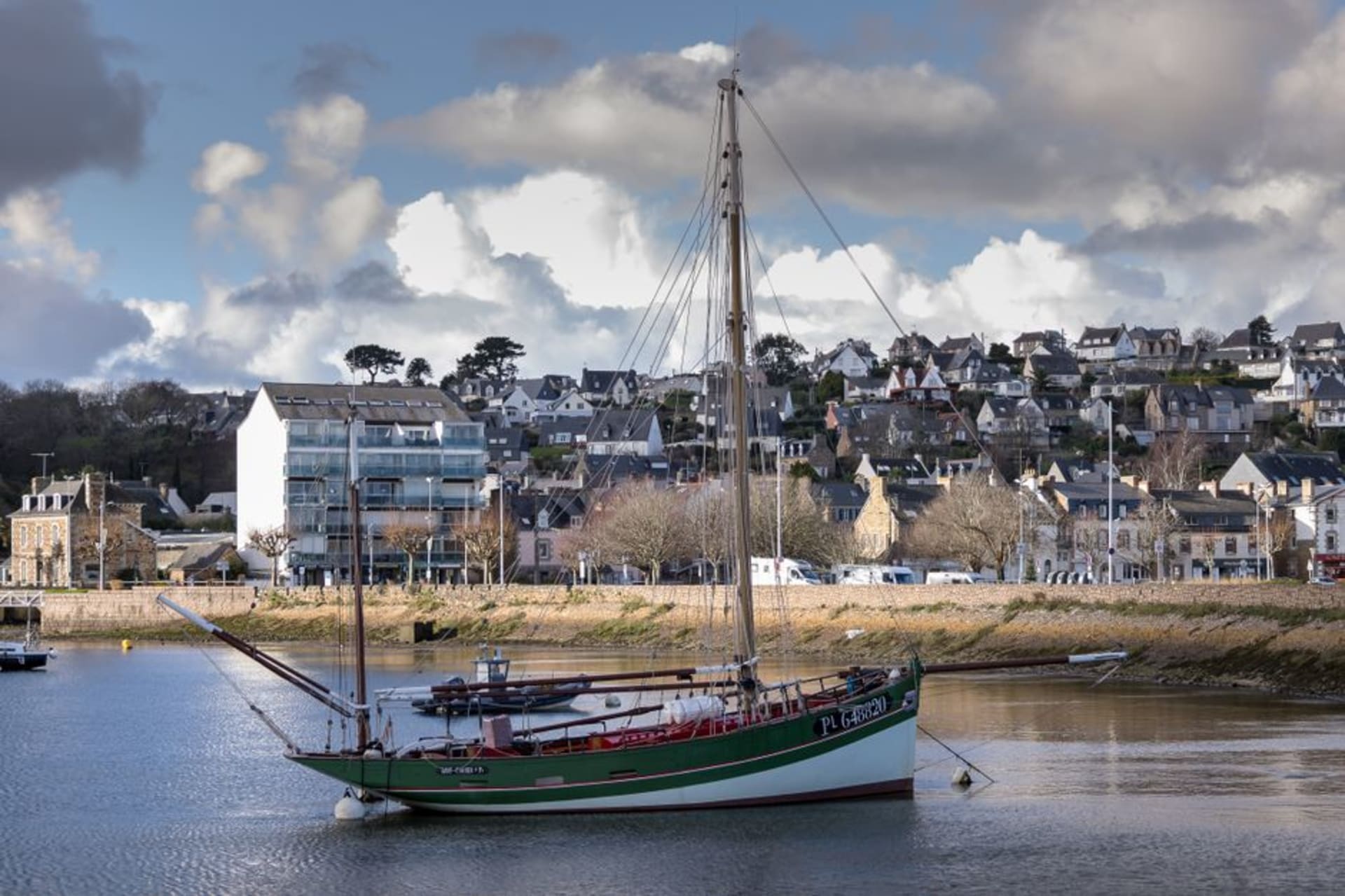
Barfleur sits at the northeastern tip of the Cotentin peninsula, further out and further from the well-worn D-Day and Mont-Saint-Michel routes than most of the coast we’d covered that trip, and it felt like it — quieter, greyer, and somehow more honest for it. It’s a member of the official Les Plus Beaux Villages de France list, and unlike some villages that seem to perform for that title, Barfleur mostly just carries on being a working fishing harbour that happens to be built entirely from handsome grey granite.
A harbour that once launched a conqueror
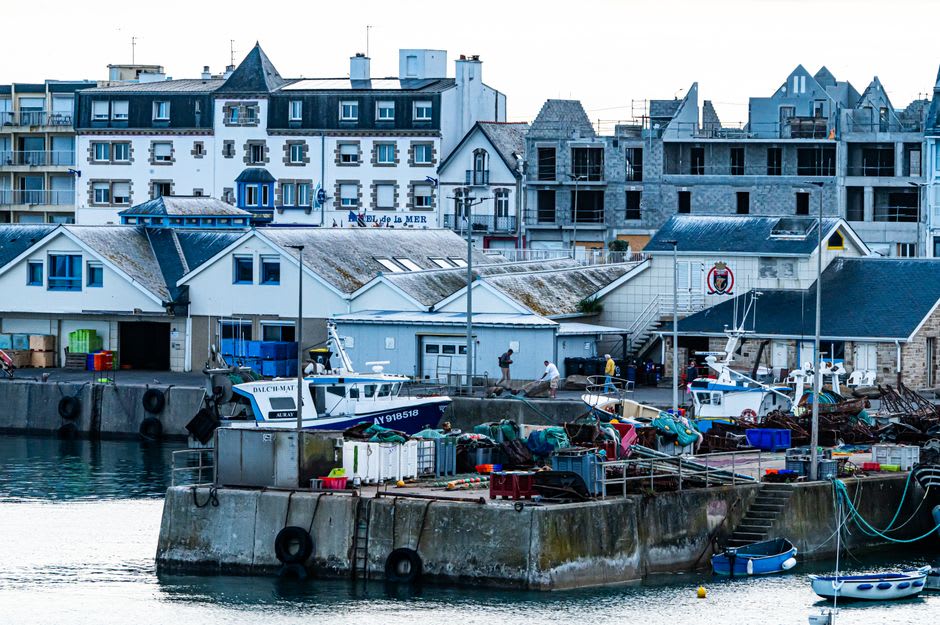
Barfleur’s history outweighs its current size by a wide margin. In 1066, William the Conqueror is said to have sailed from this harbour on his way to invade England, and for centuries afterward Barfleur was one of Normandy’s most important ports, home to the ship La Blanche-Nef, which sank just offshore in 1120 carrying the only legitimate son of King Henry I of England, an event that plunged the English succession into decades of civil war. Little of that grandeur is visible today — the harbour is modest, lined with squat granite houses and a scattering of working fishing boats — but it gave the walk along the quay a weight I hadn’t expected from somewhere this small.
The lighthouse at the edge of the Channel
A few kilometres up the coast, the Phare de Gatteville is the second-tallest lighthouse in France, a striped black-and-white granite tower marking the notoriously dangerous rocks of the Pointe de Barfleur, where the tidal currents run fast enough to have wrecked ships for centuries, La Blanche-Nef among them. We climbed all 365 steps — one for each day of the year, a fact the ticket seller mentioned with the pride of someone who says it several times a day — and were rewarded at the top with a wind strong enough to make conversation difficult and a view stretching back down the Cotentin coast toward Cherbourg. We came back down, legs shaking slightly, and ate a very simple, very good plate of moules at a harbourside table in Barfleur, watching the tide slide back out over the mudflats.
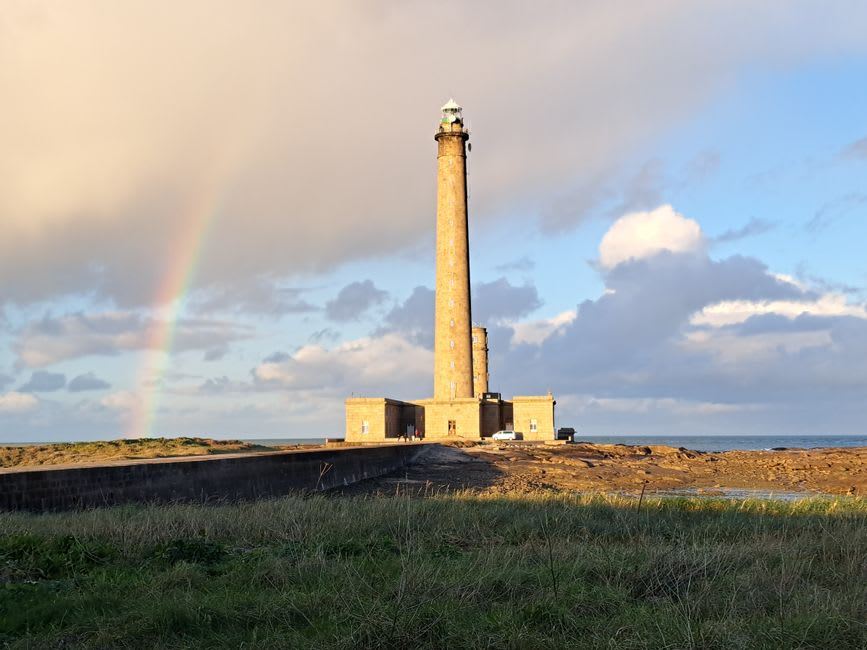
When to go: Any season works for Barfleur’s quiet charm, but come on a clear day if you plan to climb the Phare de Gatteville — the view is the whole reward, and fog erases it entirely.