Viseisei Village
"The chief poured the kava himself, and for a moment I forgot I was a tourist who'd shown up with a phone in his pocket."
The village Fijian oral history names as the first settlement on the islands, a working community a few minutes off the Nadi-Lautoka highway that still runs on kava and custom.
Viseisei sits just off the highway between Nadi and Lautoka, close enough to Vuda Point that most people driving past never register it as anything more than a cluster of rooftops. According to Fijian oral tradition, though, this is where the first Fijians came ashore, arriving by canoe from the west generations before any of the dates that get printed in guidebooks, and the village has held onto that founding-place status with a quiet, unforced dignity that I found more affecting than half the formal cultural centers I’d visited elsewhere on Viti Levu.
You can’t just wander in — a village visit here works properly only if you go with someone who can make the introduction, which in our case was a driver named Sakiusa who’d grown up two villages over and had a cousin living in Viseisei. We were welcomed into the chief’s house for a kava ceremony, sitting cross-legged on a woven mat while the chief mixed the ground yaqona root with water in a large wooden tanoa bowl, and the ritual clapping before and after each cup — three sharp claps, a communal bula, one clap to finish — had a rhythm to it that made the whole exchange feel less like a performance and more like an actual social contract being renewed.
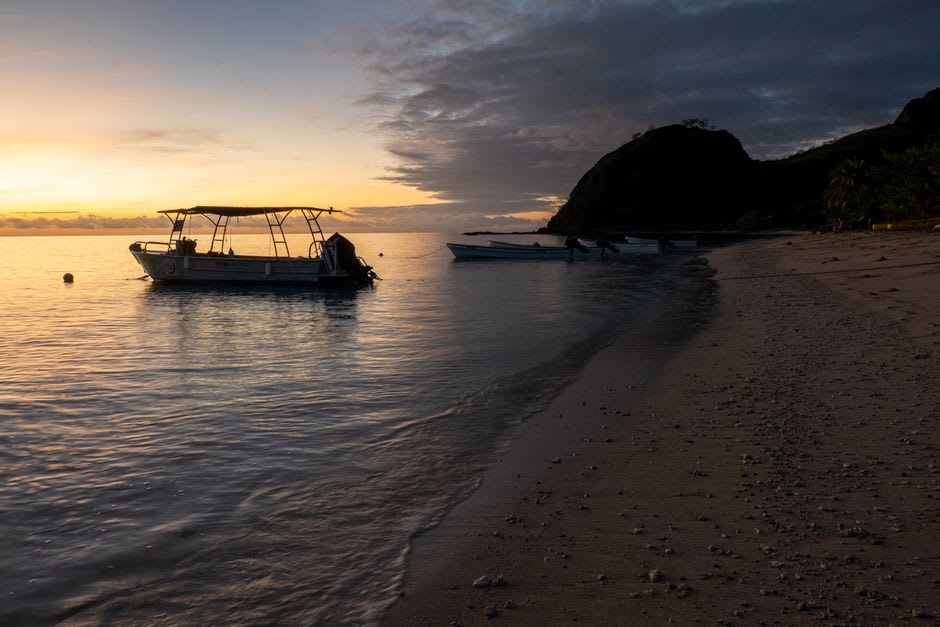
The village itself is modest and lived-in — corrugated-roof houses alongside a handful of older timber and thatch structures, a church at the center that most of the community attends on Sundays, and a village green where kids were playing rugby barefoot with an intensity that suggested every one of them had ambitions of playing for the national team eventually, which in Fiji is not an unreasonable ambition. An elderly woman showed Lia how to weave a small mat from pandanus leaves, her fingers moving faster than either of us could track, laughing kindly every time Lia’s attempt came out lopsided.
There’s a small monument near the entrance to the village commemorating Fiji’s first prime minister, Ratu Sir Kamisese Mara, who was born in the region and is buried nearby, and the village takes visible pride in that lineage — a founding settlement that also produced the man who led the country to independence. Standing at the monument with the mountains behind it and cane fields stretching toward the coast, it was easy to feel the weight of how much history this unassuming stretch of highway actually holds.
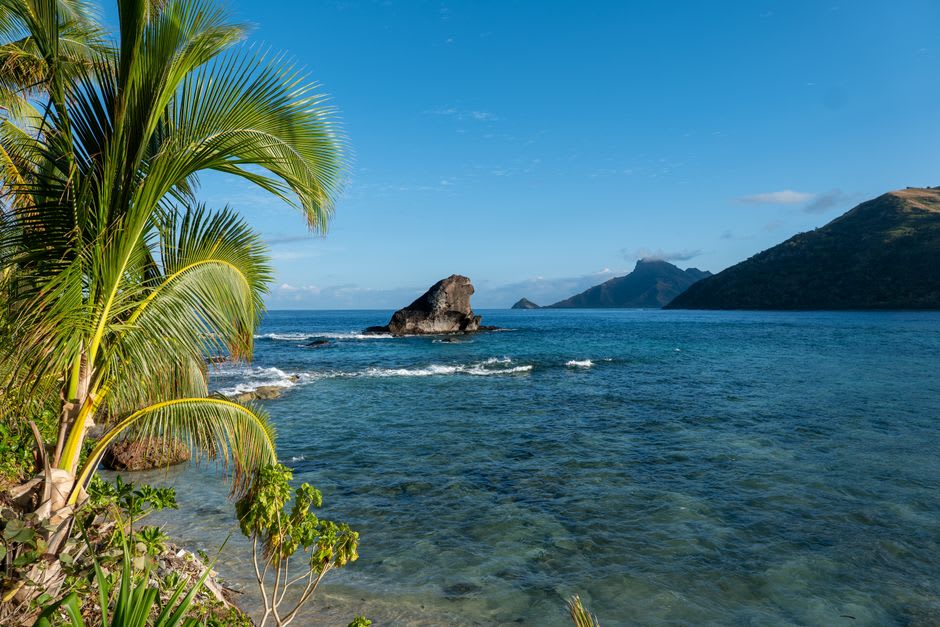
We left with a woven bracelet Lia had been gifted, slightly embarrassed that we hadn’t brought a proper sevusevu offering of yaqona root ourselves, a lapse our guide waved off but that I still think about — the etiquette matters here, and I’d tell anyone visiting to bring kava root before they arrive rather than after.
When to go: Year-round, but arrange the visit through a licensed guide or your accommodation rather than showing up independently — village protocol requires a proper introduction, and Sundays are typically reserved for church rather than visits.
Keep exploring
More from Fiji
 fiji
fiji Vomo Island
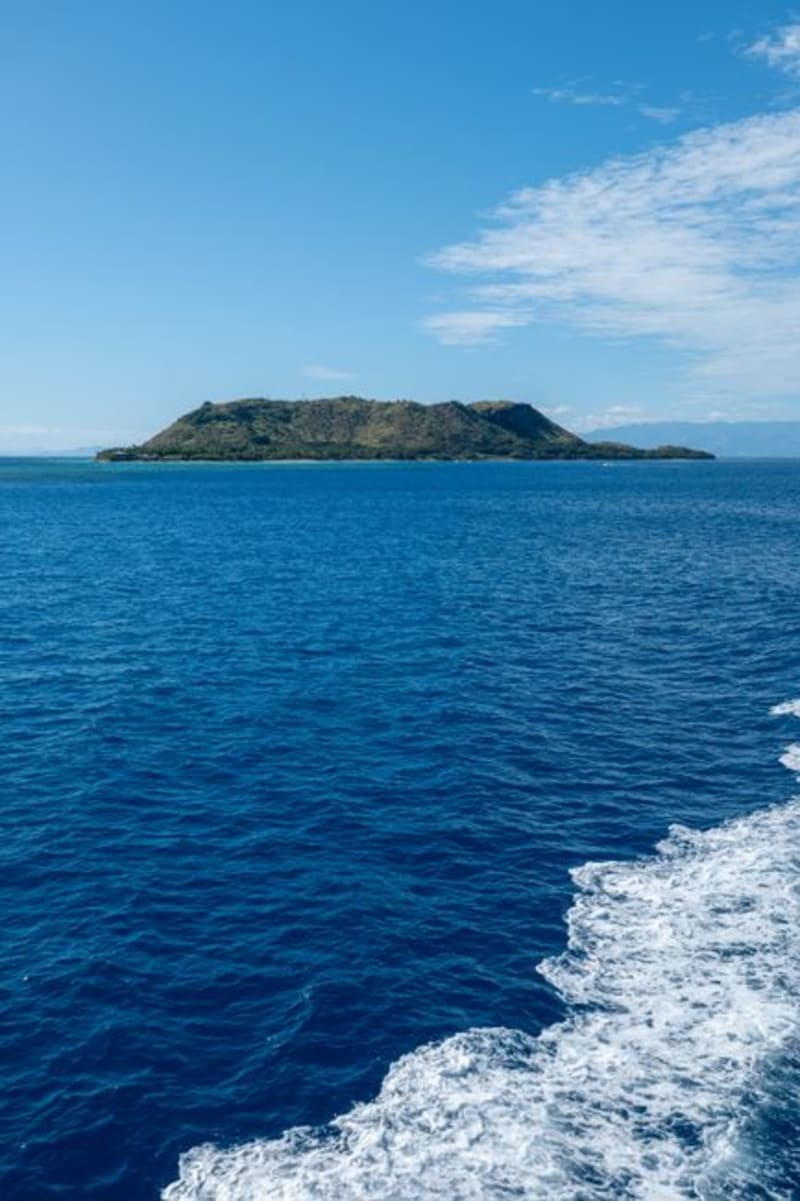
A private single-resort island between the Mamanucas and the Yasawas where the entire landmass belongs to one property and the beaches are correspondingly empty.
Explore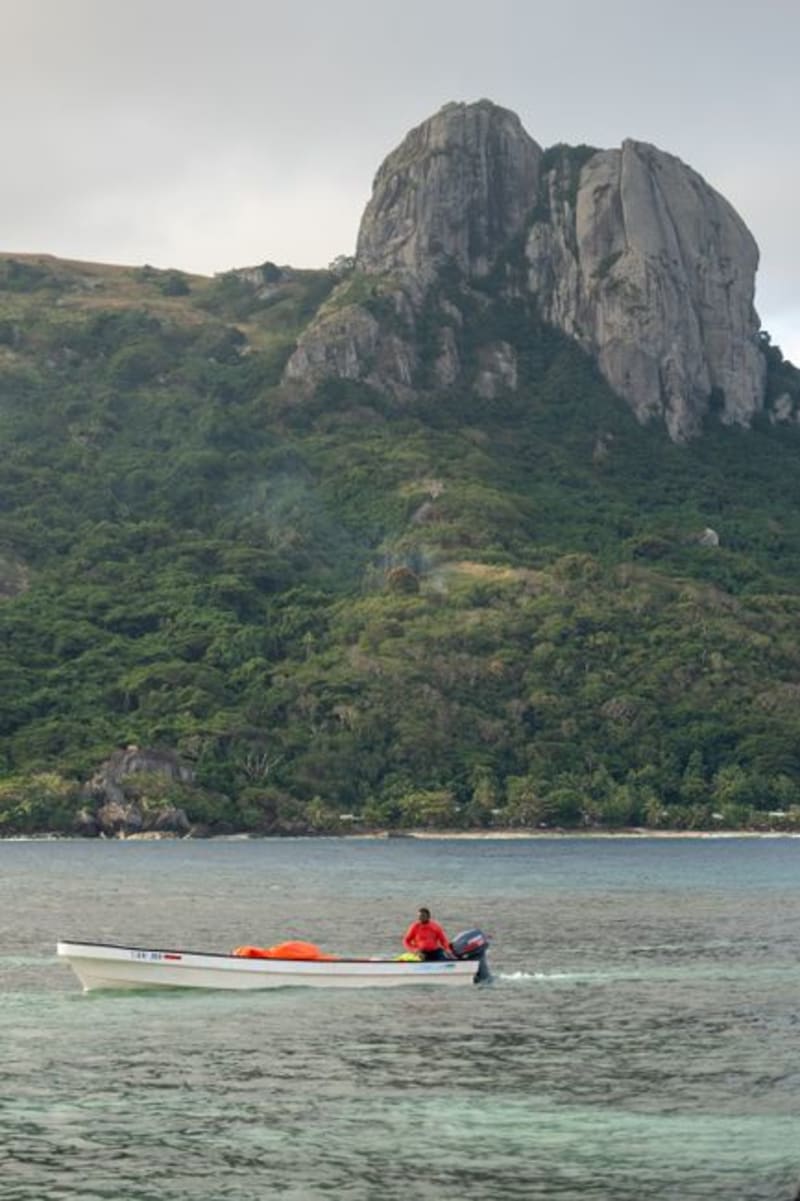 fiji
fiji Vuda Marina
A cyclone-proof yacht harbor at Vuda Point where liveaboard sailors from across the Pacific swap stories over sunset beers and the reef just offshore is criminally underrated.
Explore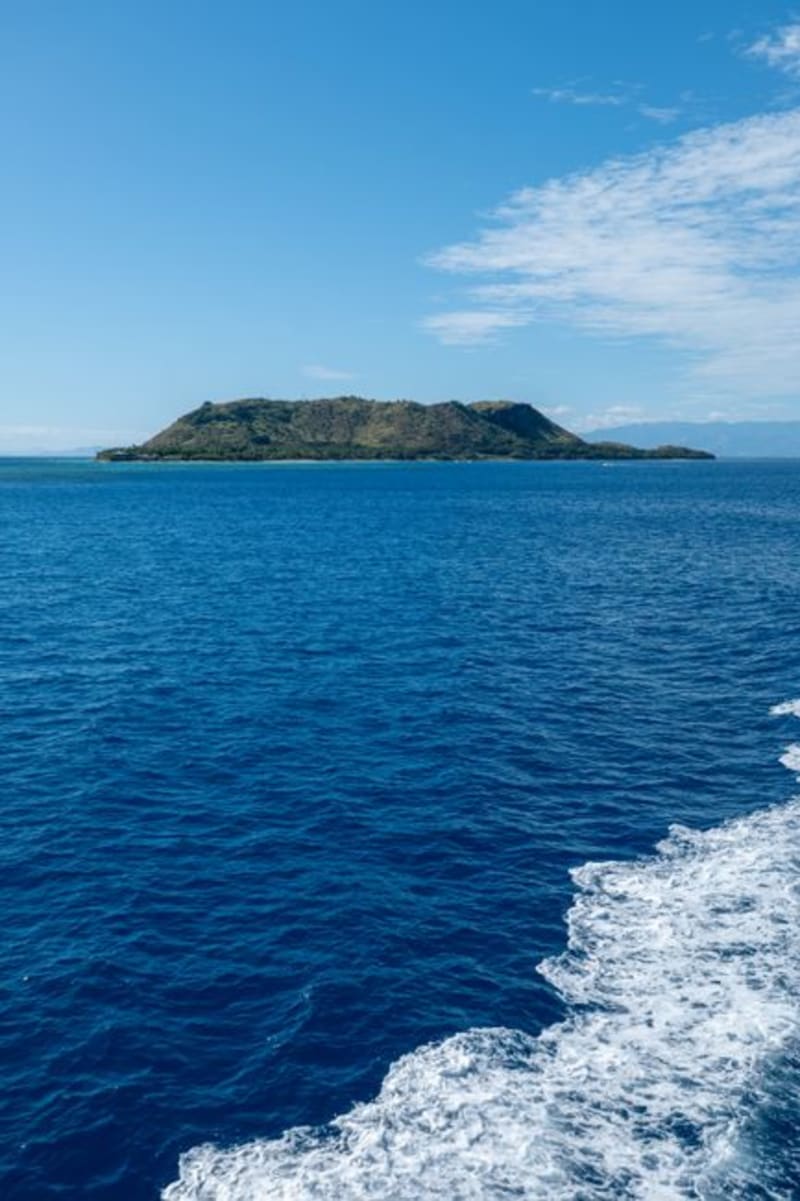 fiji
fiji Wadigi Island
A single-villa private island near Malolo Lailai that a whole group can rent outright, with its own staff, its own boat, and nobody else on the beach, ever.
Explore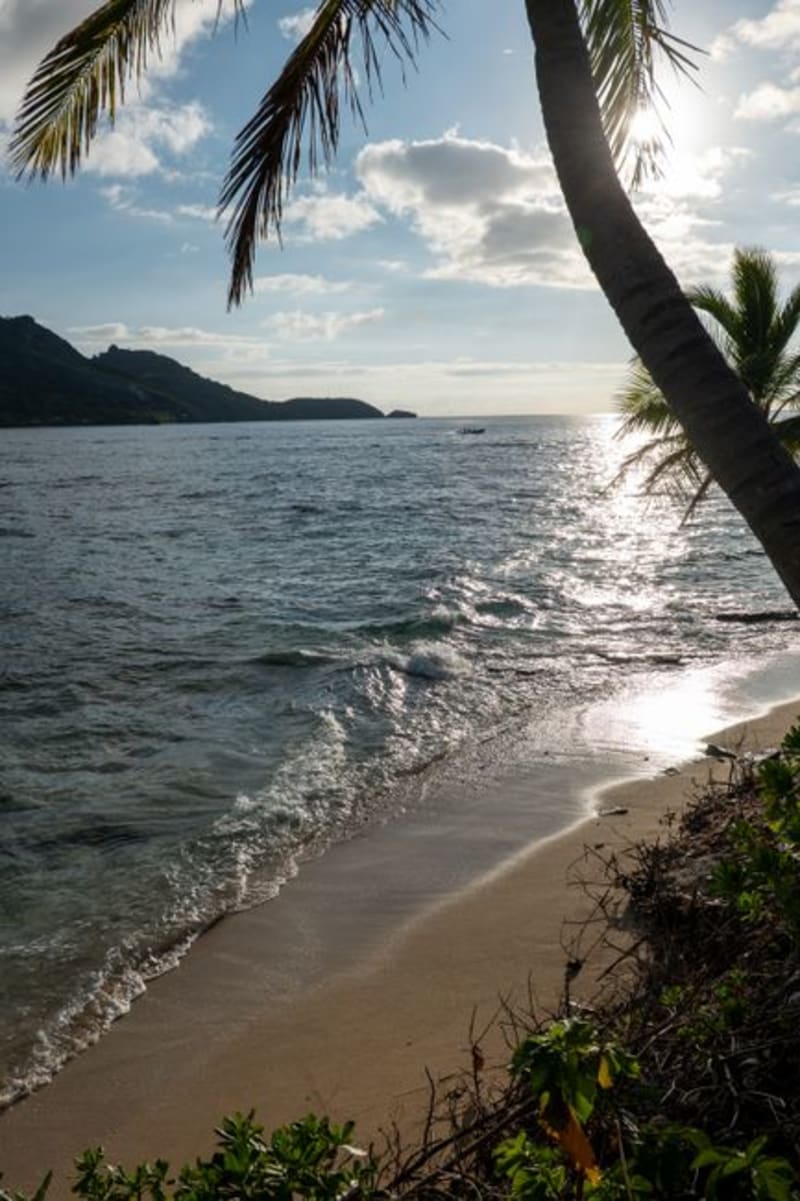 fiji
fiji Waidroka Bay
A small surf camp on an exposed stretch of coast southwest of Pacific Harbour, built around one of the best reef breaks on Viti Levu and a slower kind of hospitality.
Explore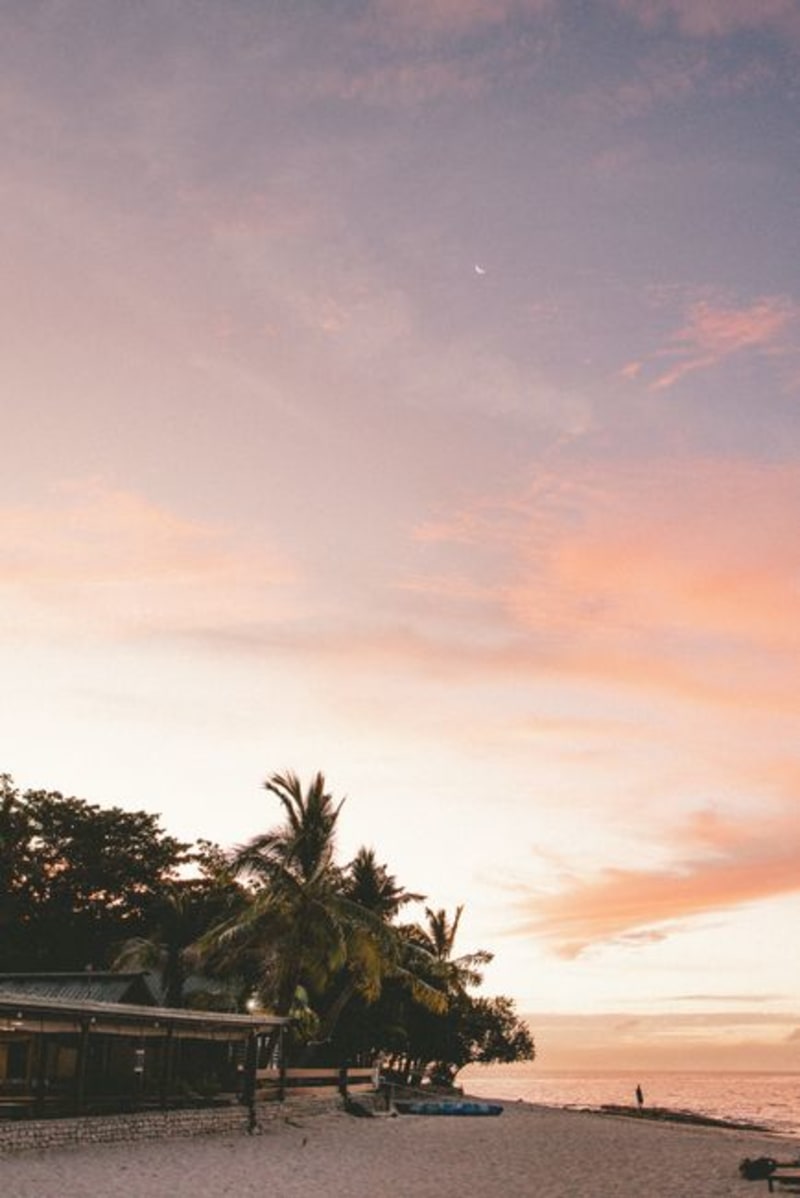 fiji
fiji Wailoaloa Beach
The scrappy, backpacker-friendly beach strip a few minutes from Nadi airport, where budget guesthouses face a grey-gold sand shoreline that resort brochures conveniently leave out.
Explore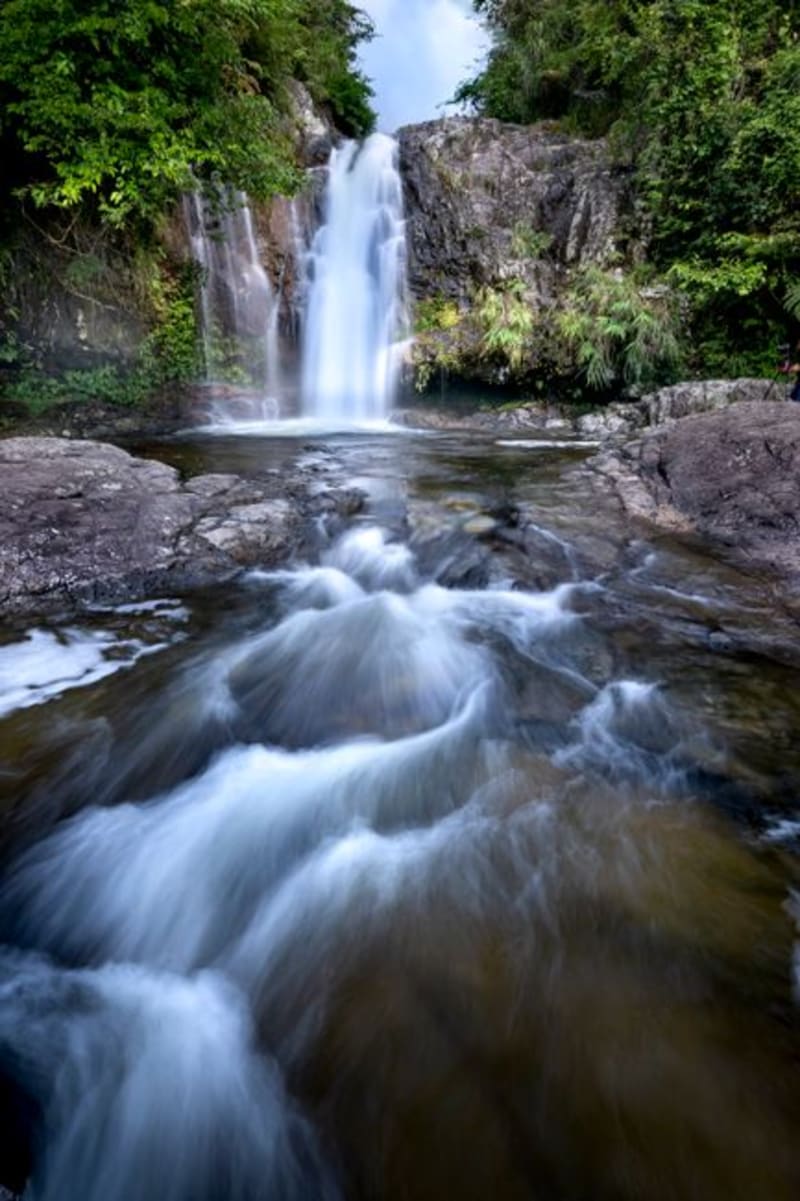 fiji
fiji Wainiyabia Falls
A two-tier waterfall in the hills above Navua, reached by a muddy jungle trail and rewarded with a swimming hole cold enough to make you gasp.
Explore