Korotogo
"The path just kept going along the cliffs, past one resort fence, then a gap, then another resort fence, like the coastline hadn't gotten the memo about who owned what."
A low-key beach settlement wedged between resort properties on the Coral Coast, where the coastal footpath and a scrappy local surf break outlast the marketing.
Korotogo is easy to drive through without registering it as anywhere at all — a scatter of guesthouses, dive shops, and a couple of resort driveways along the Queen’s Road between Sigatoka and Korolevu. But it has one thing that made me pull over and stay two nights longer than planned: a coastal footpath that runs along low volcanic cliffs above the ocean, threading between the fenced grounds of the bigger resorts and open public stretches where local families fish off the rocks with hand lines in the late afternoon.
I walked the path both directions over consecutive evenings, watching the light change over the reef break just offshore, where a scrappy but genuinely good left-hand wave peels along a shallow reef shelf that a handful of local surfers treat as their home break, mostly unbothered by the resort tourists thirty meters up the path with their sunset cocktails. There’s a particular local intensity to the lineup — everyone seems to know everyone, boards are battered and clearly well-used, and nobody paid me the slightest attention as I sat on the rocks and watched, which felt like its own kind of welcome.
Away from the water, Korotogo’s back streets have a handful of small, family-run guesthouses that undercut the resort prices by a wide margin, and a couple of roadside kava bars where the evening ritual starts around six and runs long after we’d usually gone to bed, low talk and the rhythmic clap that precedes each bowl carrying across the road. Lia and I sat in on one for an hour at the invitation of a guesthouse owner, drank more grog than either of us intended, and left with our lips faintly numb and a much better understanding of why Fijians insist the ritual is as much about the talking as the drink itself.
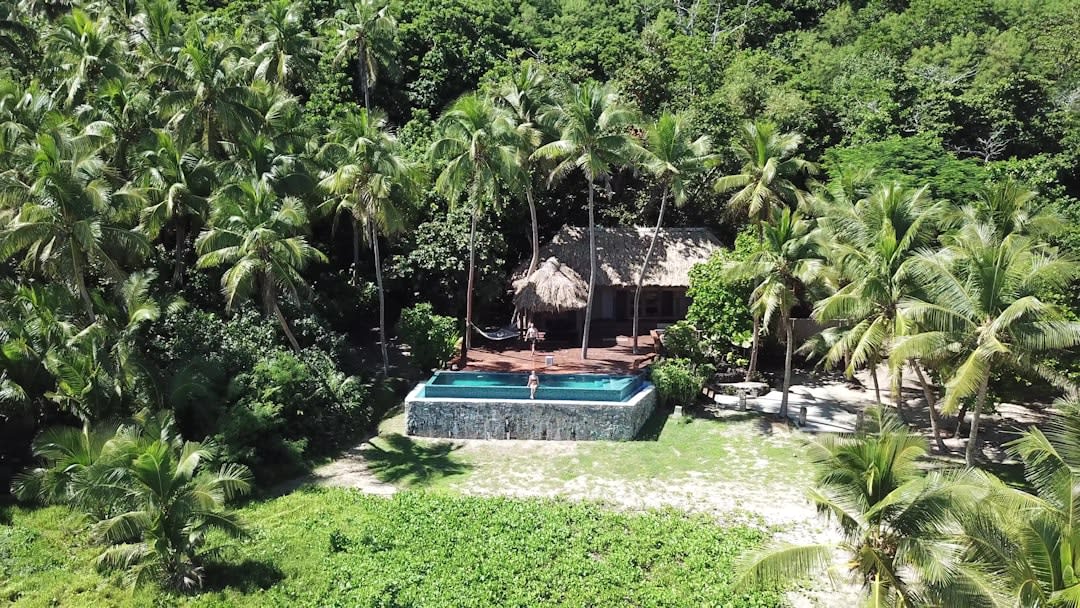
When to go: Year-round, though the surf break works best on a mid-tide swell arriving from June to September. The coastal path is most pleasant in the golden hour before sunset, when the light on the water is at its best.
Keep exploring
More from Fiji
 fiji
fiji Kuata Island
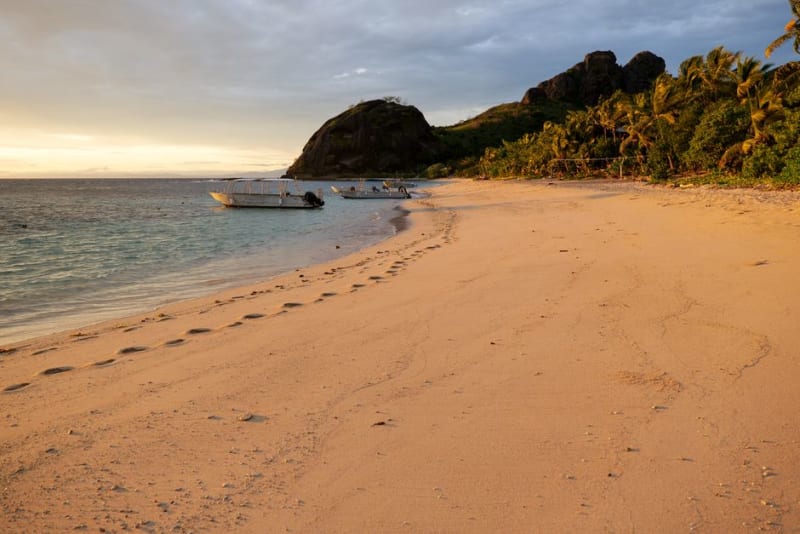
The southernmost Yasawa, small enough to circle on foot in an hour, and home to one of the most reliable reef shark dives in Fiji.
Explore fiji
fiji Lami Town
Suva's scruffy, working waterfront suburb, home to fishing boatyards, the country's best curry houses, and a mangrove foreshore locals actually use rather than photograph.
Explore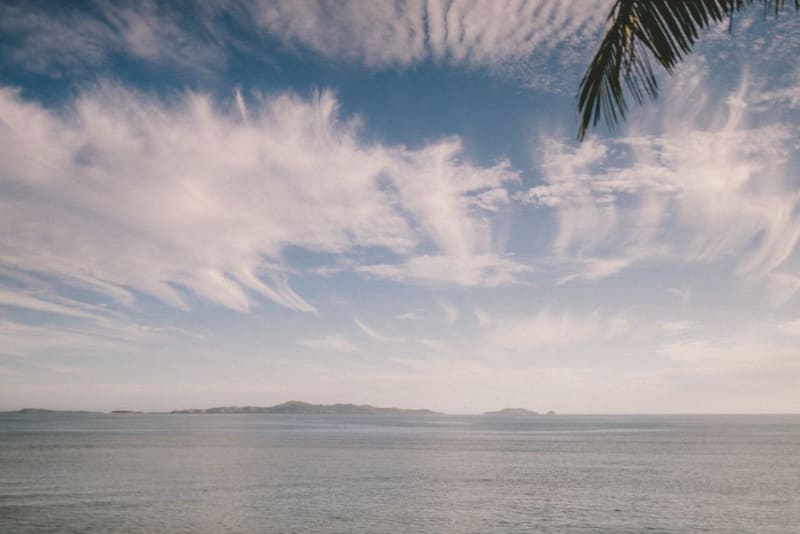 fiji
fiji Laucala Island
A privately owned island off Taveuni turned into one of the most expensive resorts on Earth — worth understanding even if, like me, you're only ever going to see it from a boat.
Explore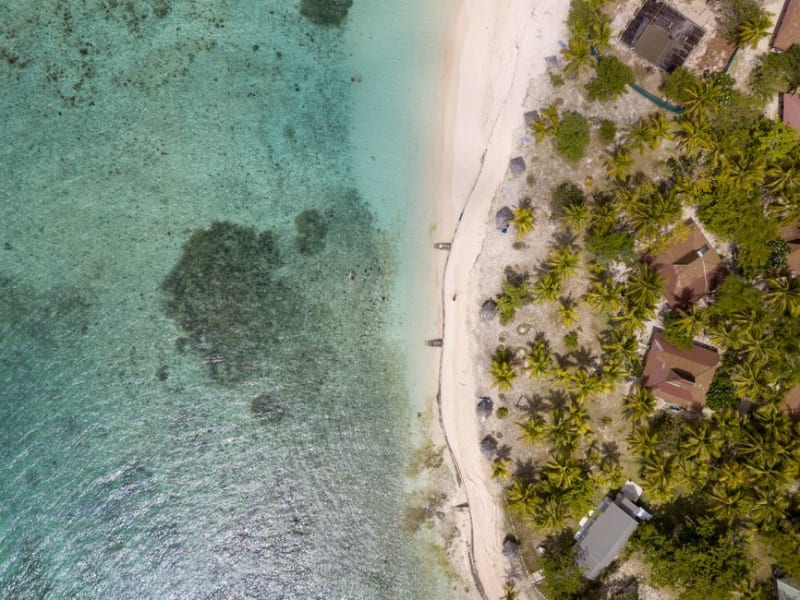 fiji
fiji Lautoka
Fiji's Sugar City, a working port town where cane trains still cross the main road and the market feels built for locals rather than tourists.
Explore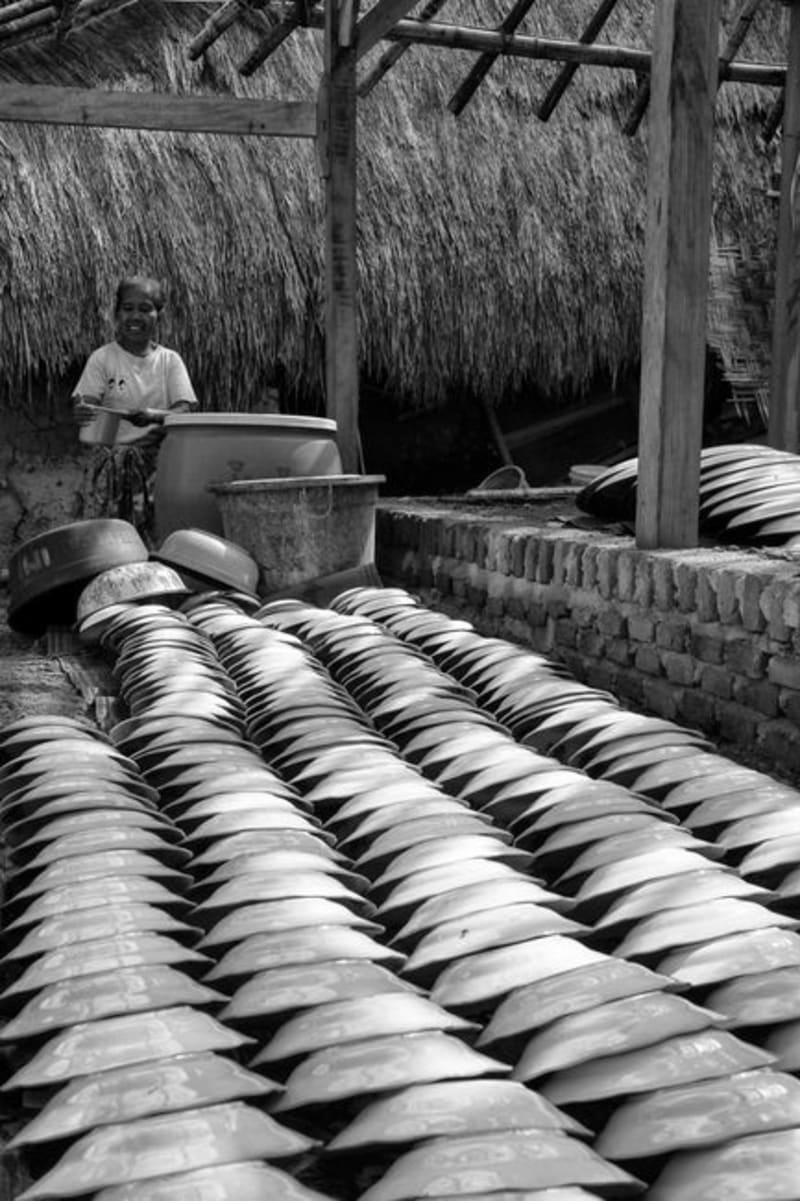 fiji
fiji Lawai Pottery Village
A small village in the Sigatoka Valley where women still shape and fire clay pots using techniques unchanged for centuries, without a wheel in sight.
Explore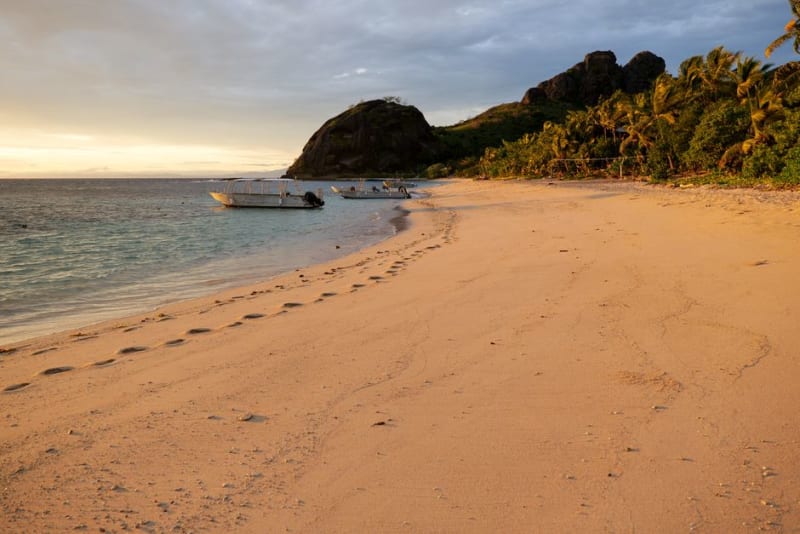 fiji
fiji Leleuvia Island
A low, sandy backpacker island in the Lomaiviti group midway between Viti Levu and Ovalau, built around hammocks, snorkeling, and doing very little.
Explore