Malolotja Nature Reserve
"Malolotja is the kind of place where you understand that emptiness is not the absence of things but the presence of the right ones."
I drove into Malolotja on a morning when the grassland was still wet from overnight rain and the spider webs between the fence posts were holding water drops that caught the early light. The reserve begins immediately when you pass the gate — not because there is dramatic wildlife or a famous viewpoint waiting around the first corner, but because the landscape simply settles into itself in a way that suggests the human footprint here has been genuinely light. There are no roads inside the reserve beyond the entrance track. No accommodation beyond basic camping. Access is on foot or by arrangement with the reserve.
Malolotja is the largest nature reserve in Eswatini by area, and most of that area is montane grassland — the Highveld swazi grasslands that historically covered the upper elevations before settlement and plantation agriculture compressed them. The reserve protects what remains, and what remains is extraordinary. Over 280 bird species have been recorded here, including the bald ibis, whose breeding colonies cling to cliff faces in the reserve’s gorges, and blue swallows, one of the rarest swallows in southern Africa, which nest in the grassland during the summer months. I am not a devoted birder, but the blue swallow stopped me in my tracks on the second morning: the metallic blue of the back, the long tail streamers, the particular quality of movement through long grass.
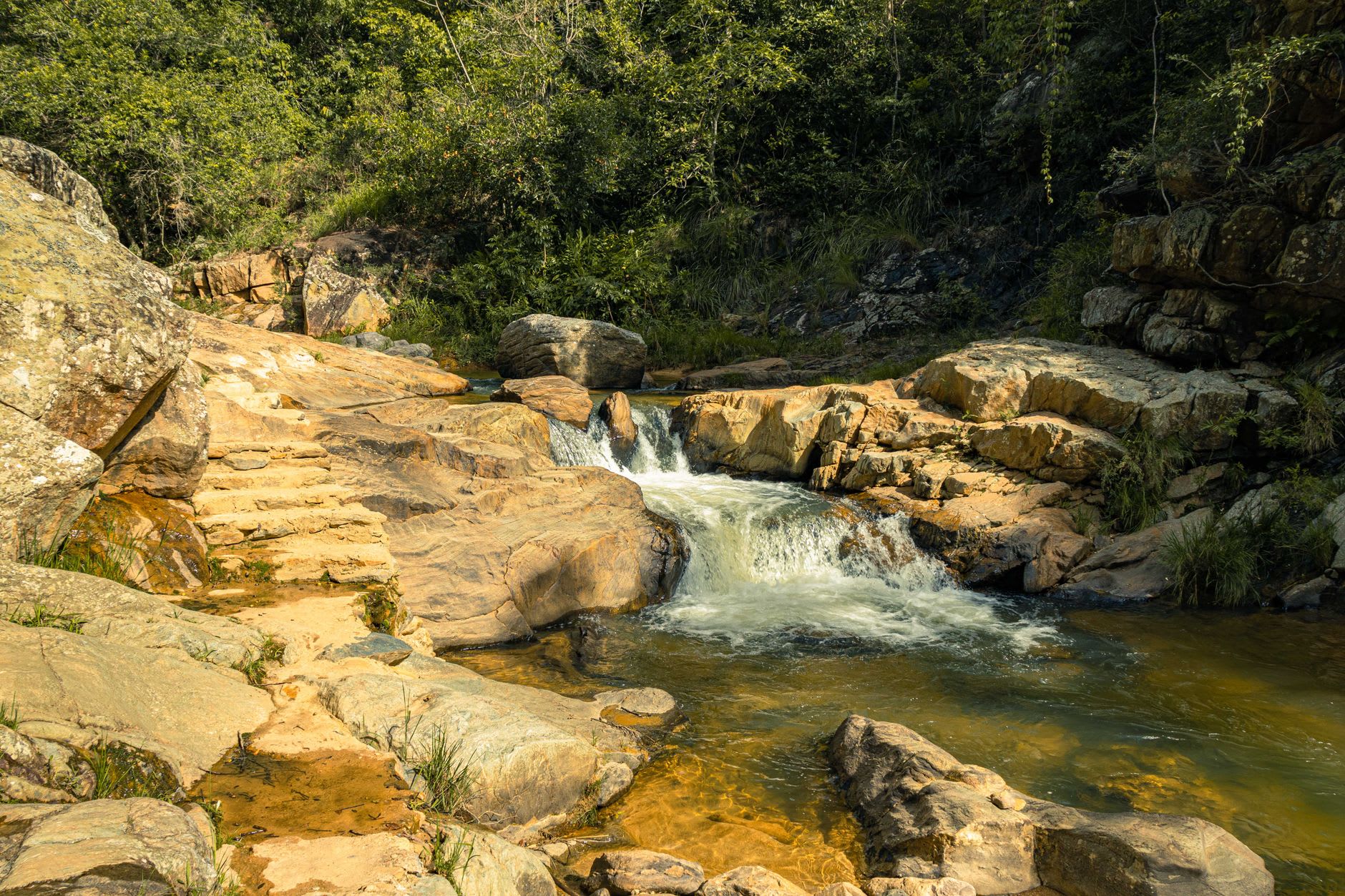
The reserve also holds the Malolotja Falls — a 95-meter cascade that drops off the escarpment into a gorge thick with Afromontane forest. The trail to the falls is a several-hour return trip, steep in sections, and the descent into the gorge brings a temperature change that’s immediate enough to feel like stepping into a different season. At the bottom, the sound of the falls is all-absorbing, and the air is fifteen degrees cooler than the grassland above. I sat on a wet rock at the base for longer than was strictly practical.
The walking trails in Malolotja are maintained but not manicured. You navigate with a trail map, carry your water, and encounter the landscape as it is rather than as it has been prepared to be encountered. I walked for six hours on my second day — more than I’d intended — and felt no particular need to be anywhere else.
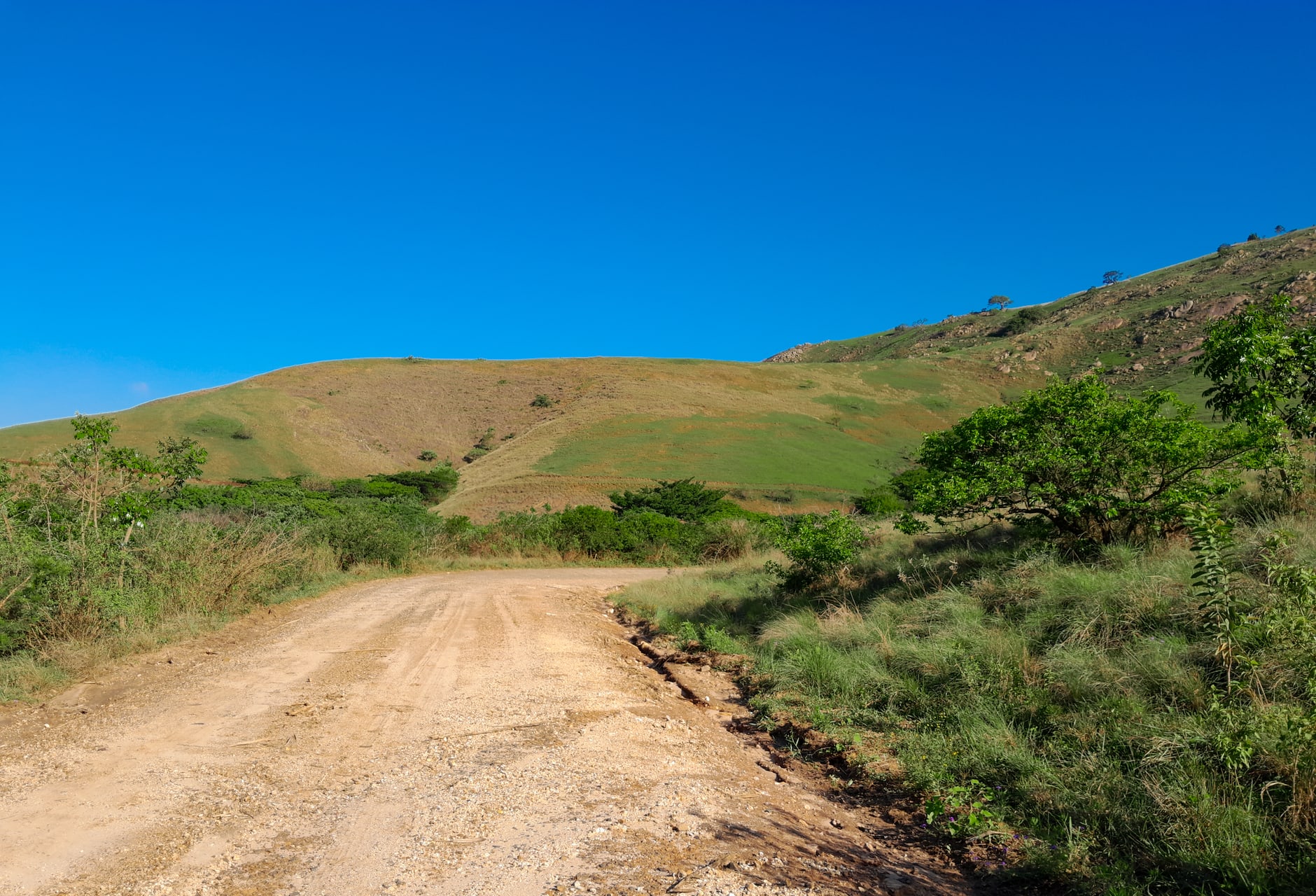
When to go: September through November for the blue swallows, the wildflowers that bloom across the grassland in spring, and the flows at their impressive post-summer best. June and July are cold at this altitude — bring layers — but the clarity of the air in the dry season makes the long grassland views exceptional.